How Sexuality Stereotypes Make Dating Culture Worse



At 15, I confessed to a friend that I had a crush on him. He turned me down kindly. I had no idea why he wasn't interested until later, when I found out he'd pegged me as devoutly religious (I wasn't). We attended a Catholic school, and I wore vintage (re: modest) clothes. What he didn't realize was that my wardrobe reflected my style, not my values.
A few months down the road, we figured out the mix-up, and we went on to date on and off for the following few years.
In dating, relying on assumptions can lead you to misread people. A person is far more complex than their basic demographics or the first impression they make. Dating experts advise waiting until you've had three dates with someone before you make a judgment call for a reason: until then, you just can't tell how compatible the two of you really are.
For people who aren't cisgender or straight, it's even easier to let stereotypes steer who you date, or how you choose to present yourself. You're bombarded nonstop with stereotypes about what having your sexuality or gender identity is supposed to mean. Squeezing yourself into them, even when it doesn't come naturally, can seem like a path to community.
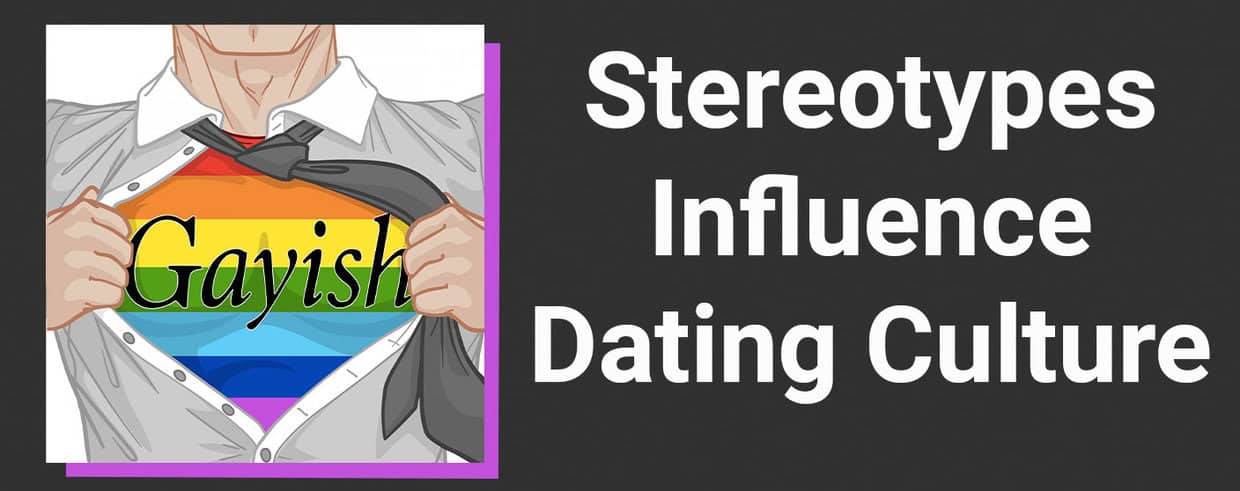
Gayish, a podcast about gay culture, takes on the stereotypes found inside and aimed at LGBTQ+ culture. We talked with co-host Kyle Getz about the ways stereotypes can make gay dating harder and how LGBTQ+ people see their place in the community. Together with fellow co-host Mike, Kyle digs into where these stereotypes originate, what's true and false about them, and how they shape gay life today. Soon they'll release their book, “You’re Probably Gayish,” which builds on the podcast's topics.
“We grew quicker than we expected to, just because I think a lot of people don’t totally feel like they fit in with the gay community or do exactly the things that they’re supposed to do as a stereotypical gay person,” Kyle explained.
Lots of people feel right at home with the dating and cultural norms of gay life. Plenty of others don't, and they should feel just as accepted in the LGBTQ+ community.
Assumptions Can Be Wrong
Plenty of people, gay and straight alike, believe they can tell if someone is straight. This is what we usually call “gaydar.” People do have some ability to size up a stranger's sexuality, but they're far from reliably right.
“There are a variety of studies out there that all seem to indicate that people can do better than average, better than flipping a coin, whether they’re gay or not, determining whether someone is gay,” Kyle said. “But while there is some amount that we can tell if people are gay, it’s not to the extreme that you know if someone is gay just based on looking at them.”
Getting it wrong can hurt queer (and straight) dating. Someone might think they know a person's sexuality and wrongly decide that person is interested in them. Or you might let a great connection slip away just because you misread someone's sexuality.
Spending your youth in the closet can make expressing your individuality difficult once you come out as gay.
Some LGBTQ+ people also find it hard to build a personal identity around what they actually want rather than the stereotypes others project onto them. Rather than following what feels right and true to them, they might make assumptions about who they are or how they're supposed to act.
Coming out about your sexuality while also working out who you are as a person, all at the same time, can be really tough.
Plenty of young gay people “grow up in the closet and live their lives basing their decisions – their likes, dislikes, how they act – based on other people’s expectations of them so that they can fit in and stay safe,” Kyle told us. “When you come out, that doesn’t just stop. That doesn’t just go away.”
Kyle admitted that in his younger days, he'd sometimes lean into gay stereotypes that didn't truly fit him. “I know all the rules of football, but I pretended like I didn’t just because it was funnier,” he told us. “And that’s what people expected me to do.”
The Queer Community Has Its Own Stereotypes
In recent years, a wider range of relationship structures has become normal, and that's wonderful. Everybody should feel as free as they can to pursue the kind of relationship that suits them, whether it's queer or non-monogamous.
Kyle pointed out, though, that as polyamory and open relationships grow more normal among gay men, queer daters who want monogamy can struggle to find people looking for the same. Like Bowen Yang's Howie in “Fire Island,” lots of gay men who want a closed, committed relationship end up feeling uncool or lonely.
“As more people have realized [non-monogamous relationships] are an option, that’s both allowed more people the flexibility to build a relationship they want, but it’s also grown invisibility for those that don’t want it,” Kyle said. “They think that no one else wants monogamy anymore; I hear that a lot. I think that’s not true.”
Kyle's suggestion: finding partners who share your preferred relationship structure may depend on taking a hard look at where you meet people and at the social circle you keep.
“You have to ask yourself, where am I meeting people?,” Kyle said. “If I’m meeting people on Grindr, then of course, I’m more likely to see open relationships show up there.”
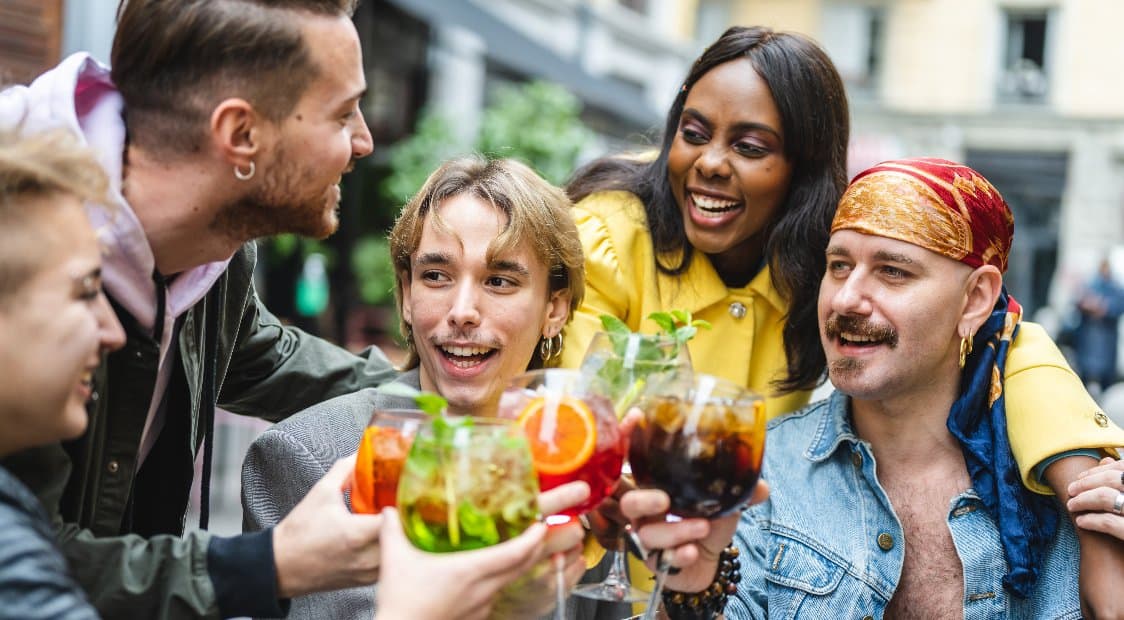
Look for friends and partners who love the real you, not a stereotype.
Having trouble finding people online who want the kind of relationship you want? Try a different dating app, or look for dates IRL. Clubs and singles' events can be a sweet, fun way to meet queer friends as well as potential partners.
Gay men especially deal with a lot of pressure and stereotyping about sex in their relationships. “Gay men are expected to want to have sex all the time,” Kyle noted. “Just like straight relationships, people fall into good times and bad times with their sexual partner. Just because you’re a gay man does not mean that you will be having sex every single night with your partner.”
Certain stereotypes in queer dating can stem from internalized homophobia or other kinds of discrimination, like fatphobia, classism, or racism. These biases are every bit as toxic as when mainstream society voices them, and if a date or a social group shows them, consider it a clear sign that those aren't your people.
See LGBTQ+ People as Individuals
However good your intentions, you're forever sizing up the situations and people around you based on assumptions. One cashier looks friendlier than the one next to them, so you head for their line. Nobody can hold off on judging all the time. Now and then, you'll make snap decisions.
Whether we're straight or queer, stereotypes tied to sexuality and gender can creep into how we treat strangers, friends, partners, and even ourselves. You can't rid yourself of bias entirely, but whenever you can, hold off on judging newcomers in your life until you've come to know them as the unique individuals they are.
Someone presenting as more masculine or feminine doesn't tell you their sexuality or what they value in a relationship. Likewise, how involved someone seems in the queer community doesn't reveal their romantic, sexual, or relationship preferences.
Learning about different sides of queer culture can deepen your grasp of queer history and help you take part in the queer community. When you're making calls about individual people, though, your assumptions will often miss the mark.
“When you bring it down to the individual level, you can’t apply some of this research to an individual person,” Kyle said. “That’s where stereotyping comes in: trying to apply a blanket rule to an individual person based on no other information.”
About the Author
By: Nora Adams
Staff Writer
Nora Adams is an experienced staff writer interviewing dating professionals and relationship experts for thecandiddate.com.
Share the Knowledge!
Our dating experts work hard to show you the best dating sites. Want to show your appreciation? Share this page!