

Things to Do in a Date Night: Plan, Prep, and Follow Through


Key Takeaways
Begin with one outcome: conversation, novelty, rest, shared activity, or intimacy.
Choose a format by matching cost, energy, privacy, flexibility, and talk potential.
Split planning so one adult does not carry the whole mental load.
Prepare in stages, keep a backup, and debrief briefly after the first attempt.
When people search for things to do in a date night, they usually do not need another pile of random ideas. They need follow-through: pick the purpose, choose a realistic format, prepare without turning romance into a project, and recover gracefully when the plan wobbles. This guide is for consenting adults who want one date night to feel easier, warmer, and more repeatable.
It can apply to a new match, a steady partner, or a couple rebuilding fun after busy weeks. The method is simple: define the outcome, compare tradeoffs, divide tasks, prepare in stages, run a checklist, handle disruption, then review what worked. If you want momentum tonight, start with the low-pressure plan below and adjust the details to your budget, energy, and comfort.
Start with the outcome before choosing anything
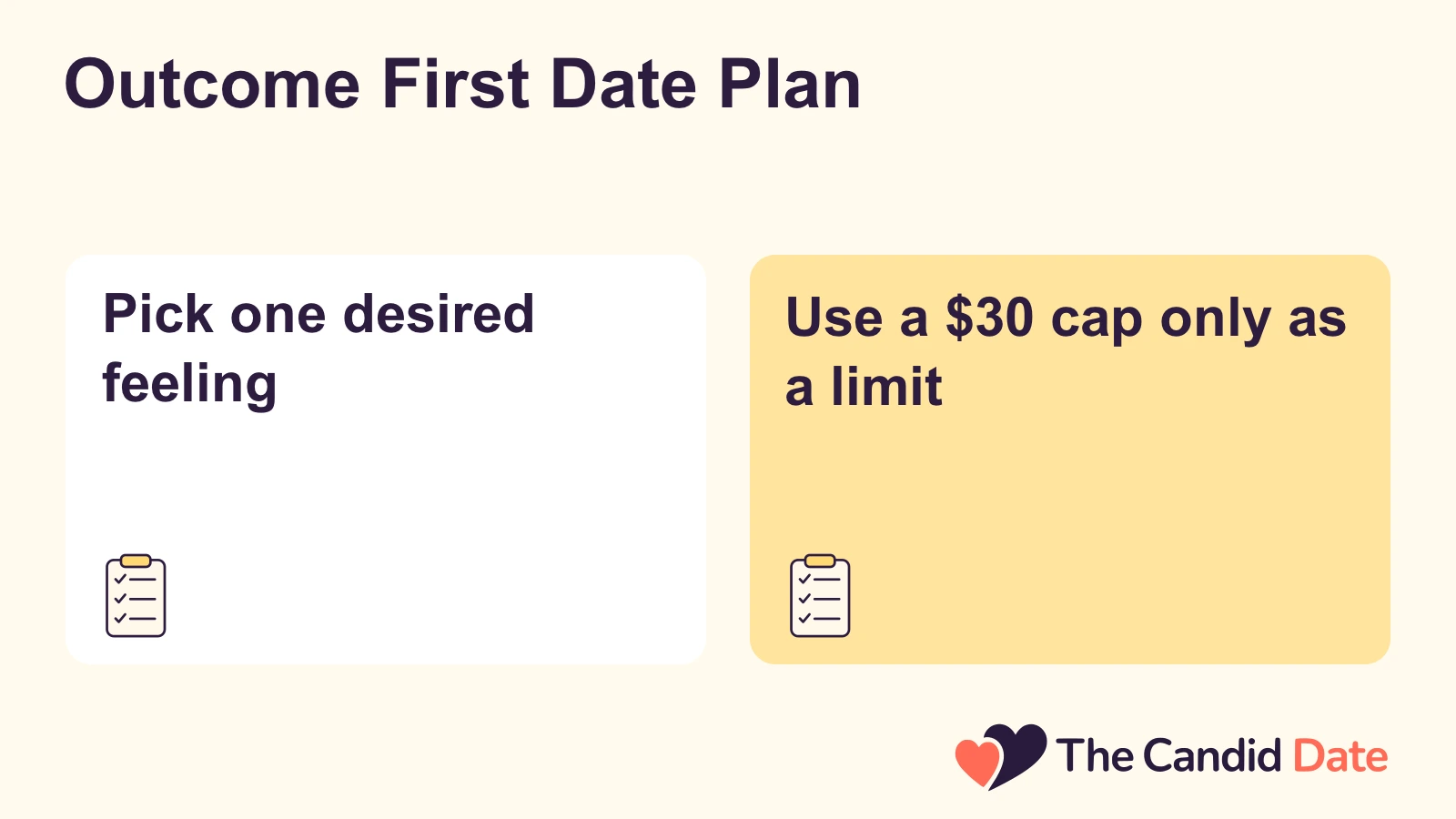
The fastest way to make things to do in a date night feel clear is to name the result you want before you pick a restaurant, movie, trail, game, or bedroom plan. Ask: by the end, do we want deeper conversation, shared novelty, physical rest, cooperative play, flirty tension, or practical teamwork? One evening cannot maximize all of those at once.
A rapid prompt helps: choose one primary feeling, one setting, and one constraint. For example, a hypothetical couple might write: calm, at home, thirty-dollar total planning cap, both tired, no phones after nine. That simple sentence filters hundreds of options.
If conversation is the goal, pick something with pauses, not a loud spectacle. If novelty is the goal, change one variable only: a new neighborhood, a new recipe, a new route, or a new question deck. If rest is the goal, remove friction instead of adding performance.
Keep the outcome adult, mutual, and pressure free. You are designing conditions for connection, not proving worth through expense or effort.
- Pick one desired end feeling, not five.
- Name the setting: home, nearby, outdoors, food based, active, or spontaneous.
- Set constraints: time, money as a planning limit, energy, transport, privacy, and comfort.
- Choose a no-pressure exit plan both adults agree to honor.
- Begin tonight with a simple version: shared snack, playlist, question cards, short walk, and ten minutes of phones-down talk.
How to Plan a Date Night That Goes Well
Choose the format by tradeoffs, not by trendiness
A useful date night is less about the idea sounding impressive and more about the fit. Compare formats by what they demand and what they give. At-home plans score high for privacy, flexibility, and lower cost, but they can blur into chores unless you mark a start time.
Nearby plans, such as a cafe, bookstore, brewery, gallery, or dessert stop, make transitions easy and keep conversation moving; the tradeoff is noise, crowds, parking, and closing hours. Outdoor plans add movement and novelty, yet weather and daylight can force changes. Food-based plans are reliable because cooking, ordering, tasting, or packing a picnic creates shared tasks; the risk is cost, dietary mismatches, and feeling trapped by a reservation.
Activity-based plans, like dancing, trivia, mini golf, scavenger hunts, or a board-game stack, generate laughter and teamwork; the risk is that one adult dislikes competition or feels exposed. Spontaneous plans feel freeing, but they work best when you set guardrails, such as a ten-minute drive radius and a default home option.
- At home: low cost, high privacy, needs a clear start and clean landing zone.
- Nearby out: easy momentum, needs transport, timing, and a quieter pocket for talk.
- Outdoors: energizing and novel, needs weather backup and comfortable shoes.
- Food based: cooperative and comforting, needs dietary checks and cost limits.
- Activity based: playful and bonding, needs matched competitiveness and skill kindness.
- Spontaneous with guardrails: exciting, still needs a radius, budget cap, and fallback.
Dry Dating Explained: How the Sober Trend Is Changing Date Night
Split the planning workload so nobody becomes the unpaid producer
Many date nights fail before they begin because one adult secretly becomes the producer: researching, booking, reminding, cleaning, budgeting, and managing mood. A fairer system is three options, one choice, shared confirmations. Partner A proposes three concrete options that fit the agreed constraints.
Partner B chooses one, with freedom to modify rather than restart from zero. Both confirm budget, timing, transportation, comfort level, dress code, food needs, phone expectations, and the exit plan. Keep the exchange short and kind.
A hypothetical message might read: I can do Thursday or Sunday, I want easy conversation, and my cap is thirty dollars total as a planning limit. I propose dessert walk, pantry cooking challenge, or backyard stargazing with blankets. You pick, and I will handle supplies.
That structure lowers resentment because initiative and veto power are balanced. It also prevents the trap where the planner expects gratitude and the chooser feels managed. Decide who owns logistics for this round, then rotate next time so the labor stays visible.
- Partner A offers three options inside the constraints.
- Partner B chooses one or swaps one detail.
- Both confirm money as a limit, start time, end time, transport, and food needs.
- Agree on phones, photos, intimacy, alcohol, and privacy before the night.
- Write the exit line in advance: no hard feelings if either adult wants to head home.
Prepare in stages so the day stays easy
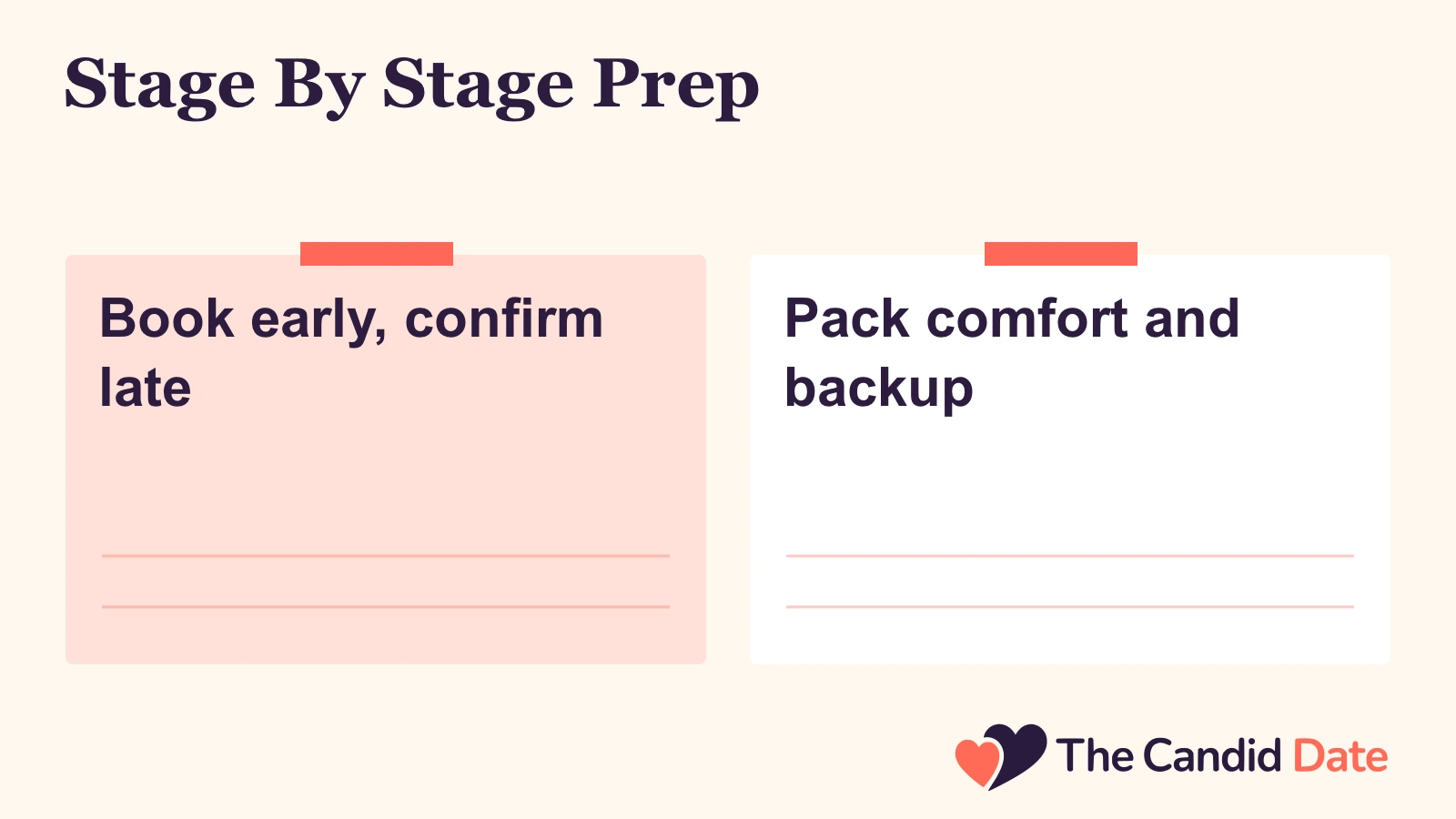
Preparation should remove decisions at the exact moment you want to be present. Several days ahead, confirm the format, check hours, make reservations if needed, buy ingredients, and place any supplies where you will not forget them. Two days out, handle household friction: laundry, dishes, pet care, childcare for adults who need coverage, and the space where the date will end.
The day before, confirm the forecast, charge devices if they are part of the plan, pick outfits that match the activity, and choose a backup that is simpler than the main plan. On the day, do a final venue check, eat enough that hunger does not hijack the mood, set out keys, tickets, water, medication if relevant, and a small comfort item such as a jacket or lip balm. In the final hour, lower the stakes: clear one surface, light a candle if appropriate, put phones face down, start music, and make the first ten minutes welcoming rather than perfect.
The goal is readiness, not a staged production.
- Days ahead: choose format, verify hours, reserve, shop, and stage supplies.
- Two days out: clear chores, plan transport, and prepare the ending space.
- Day before: check weather, charge devices, choose clothes, and pick a simpler fallback.
- Day of: confirm venue, eat, gather keys and tickets, and pack comfort items.
- Final hour: clear one landing zone, set ambiance, silence notifications, and welcome rather than impress.
Use the date-night execution checklist
A checklist is not unromantic; it is the reason romance has room to breathe. Keep it adaptable and copy it into a note or message. Confirm the purpose, budget limit, start time, meeting place, transportation, weather, accessibility needs, dietary needs, intimacy expectations, and exit plan.
Bring only what serves the plan: keys, payment method, reservation details, tickets, water, layers, chargers if needed, and one small surprise that does not create obligation. Prepare the environment before arrival so the first minutes feel chosen rather than improvised. Start with a reset ritual: greet, compliment specifically, put phones away, and agree on the first activity.
During the date, protect the mood by noticing energy, sharing decisions, keeping alcohol within comfort, and repairing awkward moments with humor instead of blame. Wrap up before exhaustion by naming one highlight, thanking each other for specific effort, and deciding whether the next plan should be simpler, bolder, or more private.
- Confirm: outcome, cap as planning limit, time, place, transport, weather, access, food, phones, intimacy, exit.
- Bring: keys, payment, confirmation, tickets, water, layers, charger only if needed, one no-pressure detail.
- Prepare: clean landing spot, playlist, lighting, snacks, charged speaker, backup ready, first question ready.
- Start: specific greeting, sincere compliment, phones down, first shared task within ten minutes.
- During: check energy, invite input, pause before adding alcohol, laugh off mishaps, keep consent explicit.
- Wrap Up: leave before depleted, name one highlight, thank specific effort, book or sketch the next idea.
Handle common disruptions with branches, not panic
The mark of a good plan is how it bends. If you are running late, shrink the plan instead of abandoning it: keep the reservation if possible, move dessert first, or switch to a twenty-minute walk and takeout. If weather turns, move the outdoor portion indoors by keeping a blanket fort, card game, or cooking challenge in reserve.
If a venue is closed, use a two-step rule: choose the nearest comfortable substitute, then add one detail that makes it feel intentional, such as a shared playlist or question prompt. If energy is low, remove performance, not connection: sit side by side, order in, and talk. If silence feels uncomfortable, say so lightly and offer a prompt: what made you laugh this week, what are you craving more of, or what should we stop doing on weeknights.
If cost creeps upward, name the cap, swap one element, and keep dignity intact. If one adult dislikes the activity, do not debate taste midstream; pivot to the backup and note the preference for next time. Consent stays active, especially when alcohol or intimacy is involved.
Sponsor note for adults: Victoria Milan markets dating to married or attached people. This advertisement is separate from the date-planning advice. It is not a solution for relationship conflict. Review the current payment and privacy conditions, respect any commitments, and do not assume an advertised privacy feature guarantees anonymity.
- Late: shorten, reorder, or convert to takeout plus a walk.
- Weather: keep one indoor version of the same mood ready.
- Closed venue: nearest comfortable substitute plus one intentional detail.
- Low energy: cut performance, keep touch, talk, snack, and rest.
- Awkward silence: name it gently and use a warm prompt.
- Cost surprise: restate the planning cap and swap one element.
- Mismatched enjoyment: pivot without debating, then record the preference.
11 Welcoming Cities for an LGBTQ+ First Date
Sponsored placement

A separate choice for married or attached adults
Victoria Milan markets dating for married or attached adults. Consider its relationship category and payment conditions carefully; advertised privacy tools do not guarantee anonymity or establish a partner’s consent.
- Built for married or attached adults
- Free registration advertised
- Review privacy and paid access before subscribing
| User Base | Today’s Deal |
|---|---|
| Adults considering an affair-oriented service | Free registration; check current paid optionsFree registration does not establish free messaging. Read current checkout, renewal and cancellation terms. Privacy features cannot guarantee anonymity. |
Review the first attempt and plan the next one
After the date, use five quiet minutes while memory is fresh. This is not a performance review; it is maintenance for fun. Ask what felt easy, what created pressure, what we should repeat, what we should change, and whether the next date should be simpler or more ambitious.
Listen for practical signals: Were we hungry, rushed, overstimulated, underdressed, distracted, or too focused on getting a good photo? Translate each answer into one adjustment. If conversation flowed during the drive but died at the table, make the next plan mobile.
If cooking together was fun but cleanup felt heavy, choose a recipe with fewer dishes or agree that cleanup is part of the date music and not a punishment. If intimacy felt pressured, slow down and make affection opt-in. If cost caused tension, keep the same structure but lower the limit.
If novelty delighted you, change only one variable next time so surprise does not become chaos. End by scheduling the next date before life swallows the good feeling.
- What felt easy and should stay?
- What created pressure and should go?
- What did we repeat from past dates without noticing?
- Should the next date be simpler, bolder, closer, or more private?
- Put the next date on the calendar before ending the conversation.
Frequently Asked Questions
How far ahead should we plan a date night?
Plan enough ahead to remove friction, but not so far that the night becomes a museum exhibit. For a typical evening, one week is useful for checking schedules, reserving, and preparing supplies. For busy adults, two weeks can protect the time without requiring perfection.
The day before should be a light confirmation, not a new project. If spontaneity matters to you, keep the plan loose but set the same guardrails: budget as a planning limit, energy level, transport, and a fallback. The best timing is whatever lets you arrive curious instead of depleted.
What if one of us hates planning and the other loves it?
Use role rotation. Let the detail-loving adult propose three tight options, while the reluctant planner chooses one quickly and owns only one visible task, such as music, dessert, transportation, or the first question. Next round, switch roles so skill does not become control.
Keep communication short: constraints first, options second, choice third. The goal is shared ownership, not identical enthusiasm. If planning talk starts a fight, reduce decisions to three and move the rest to default settings you can reuse, like Thursday, thirty-dollar cap, phones down after nine, and home by eleven.
Can a date night checklist feel too rigid?
Only if you treat it as a script instead of scaffolding. A good checklist protects attention so improvisation can happen safely. Keep the musts few: consent, comfort, timing, transport, food needs, backup, and exit.
Let the middle breathe. Do not grade the evening by completion; grade it by whether you felt more connected, relaxed, playful, or honest. If a spontaneous moment appears, follow it when it is mutual and safe.
The checklist exists so the logistics disappear, not so the adults perform logistics for each other.
What to Do Next
The best things to do in a date night are rarely exotic; they are specific, mutual, and easy to repeat. Start with the outcome, choose a format whose tradeoffs fit real life, divide the work so resentment does not RSVP, and prepare in stages that protect your attention. Keep one checklist for calm, one branch for disruption, and one five-minute debrief that turns memory into improvement.
If the first attempt wobbles, that is information, not failure. Change one variable, keep the parts that created ease, and schedule the next evening while the good feeling is still warm.
About the Author
By: Penelope Torres
Advice Editor
Penelope Torres edits the advice desk at thecandiddate.com and answers reader questions about first dates and texting.
Share the Knowledge!
Our dating experts work hard to show you the best dating sites. Want to show your appreciation? Share this page!