
Don’t Ghost: Kind Breakup Texts That Give Closure




How often have you ghosted someone you were seeing romantically? No judgment here. I understand: ending things is seriously uncomfortable, and nobody wants to play the villain.
Putting rejection into words can be really hard. Who enjoys delivering that kind of bad news? Vanishing and moving on without ever talking about it is a lot easier.
In today’s dating scene, ghosting is the go-to way of dodging conflict.
Honestly, though, if we could simply learn to be direct and truthful about our feelings, we could spare a lot of people confusion, self-doubt, and that terrible sense of not being good enough.
Below, I’ll walk you through the exact words to use when ending things at any point in dating, whether you’ve traded a handful of messages or you’re months into a relationship.
Because ending things kindly isn’t only about the other person… it’s about being someone you respect.
Let Your Exit Match How Much Time You’ve Invested
The way I see it, the closer you’ve gotten to someone, the more directly you owe it to them to communicate.
Only swapped a few messages? A breakup text is fine, as far as I’m concerned.
Been spending Friday nights together for several months? Then you need a real conversation, face to face.
Picture it as a spectrum: how you end things should fit how much intimacy and time the two of you have shared.
Here’s a stage-by-stage look at what I think works best.
When You’ve Only Been Chatting Online and Lose Interest
Isn’t it the worst when you’re messaging someone and carrying the whole conversation? They don’t ask you a single question or make any effort to get to know you.
All you get back are one-word replies, and even those take pulling teeth.
You’re just not into it, and the conversation has no chemistry. You can tell this connection isn’t going anywhere, and you’d like to end it without ghosting.
Ugh, this is the slightly annoying part of online dating. How are you supposed to end things with someone you’ve only just started messaging?
My advice is always to show them the courtesy of a short goodbye message.
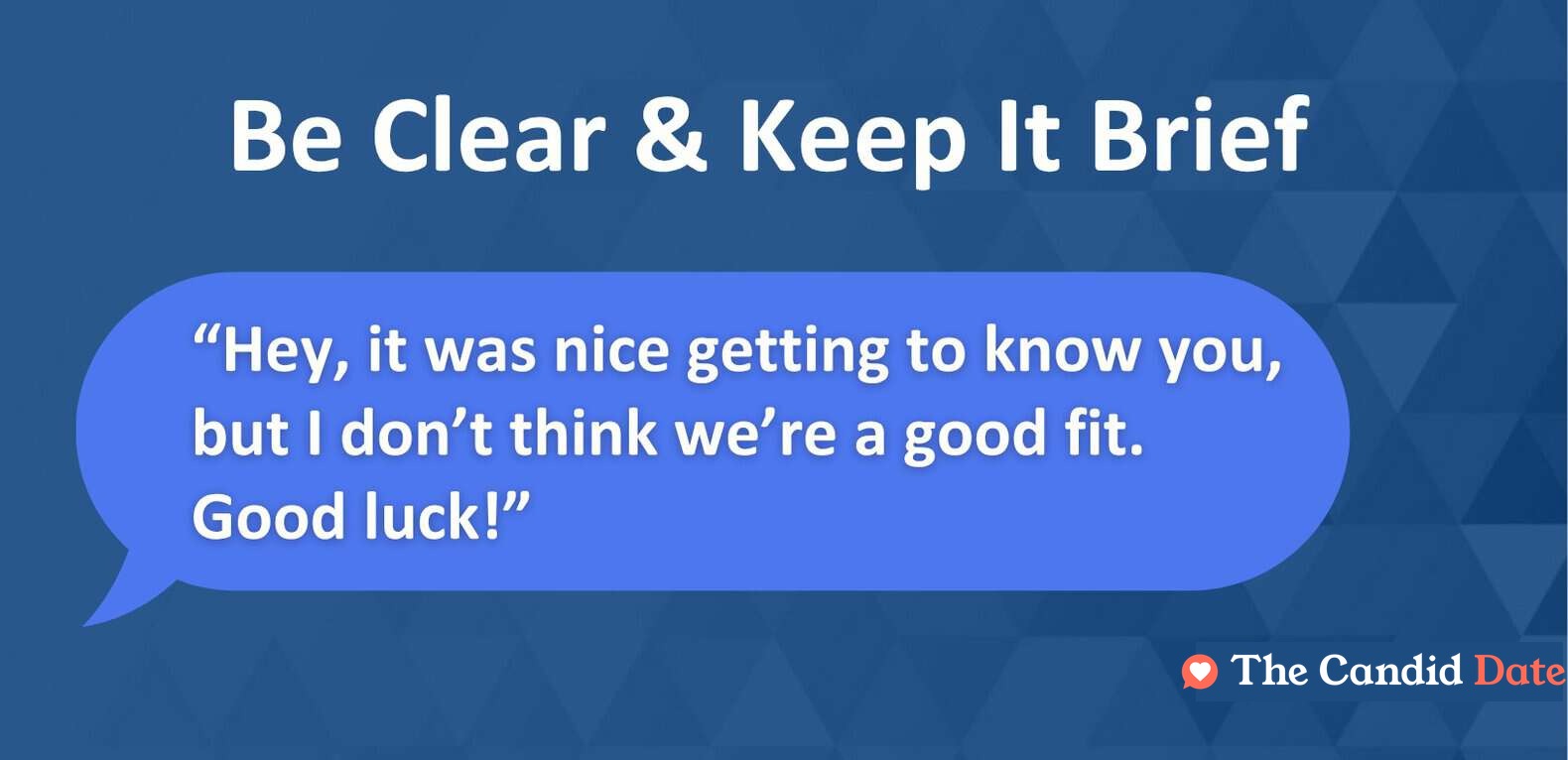
When you’ve only swapped the occasional message, nobody is owed a detailed explanation. Keep it simple.
What you’re aiming for: honest but not harsh, short but not cold, and letting them move on with closure instead of wondering what went wrong.
When You’ve Gone on a Few Dates and the Spark Fades
This is a different stage of dating. Perhaps you’ve gone out a handful of times.
It was exciting at the start, but now all they do is talk about their dog or vent about their ex, endlessly. For one reason or another, your dates keep falling flat.
The chemistry is fading, and the thought of seeing this person again makes you cringe.
You’re likely asking yourself how to end it politely. At this stage of dating, I think sending a text is totally fine.
Naturally, picking up the phone and calling would be much more considerate, particularly if you two shared some kind of vulnerable connection.
What matters is acting as soon as you stop feeling it. Don’t wait for them to text you about weekend plans.
Message them no more than a day or two after you last saw each other, or as soon as you realize it isn’t working.
The point is not to let it drag on, which only makes things harder for both of you.
Here’s what you say:
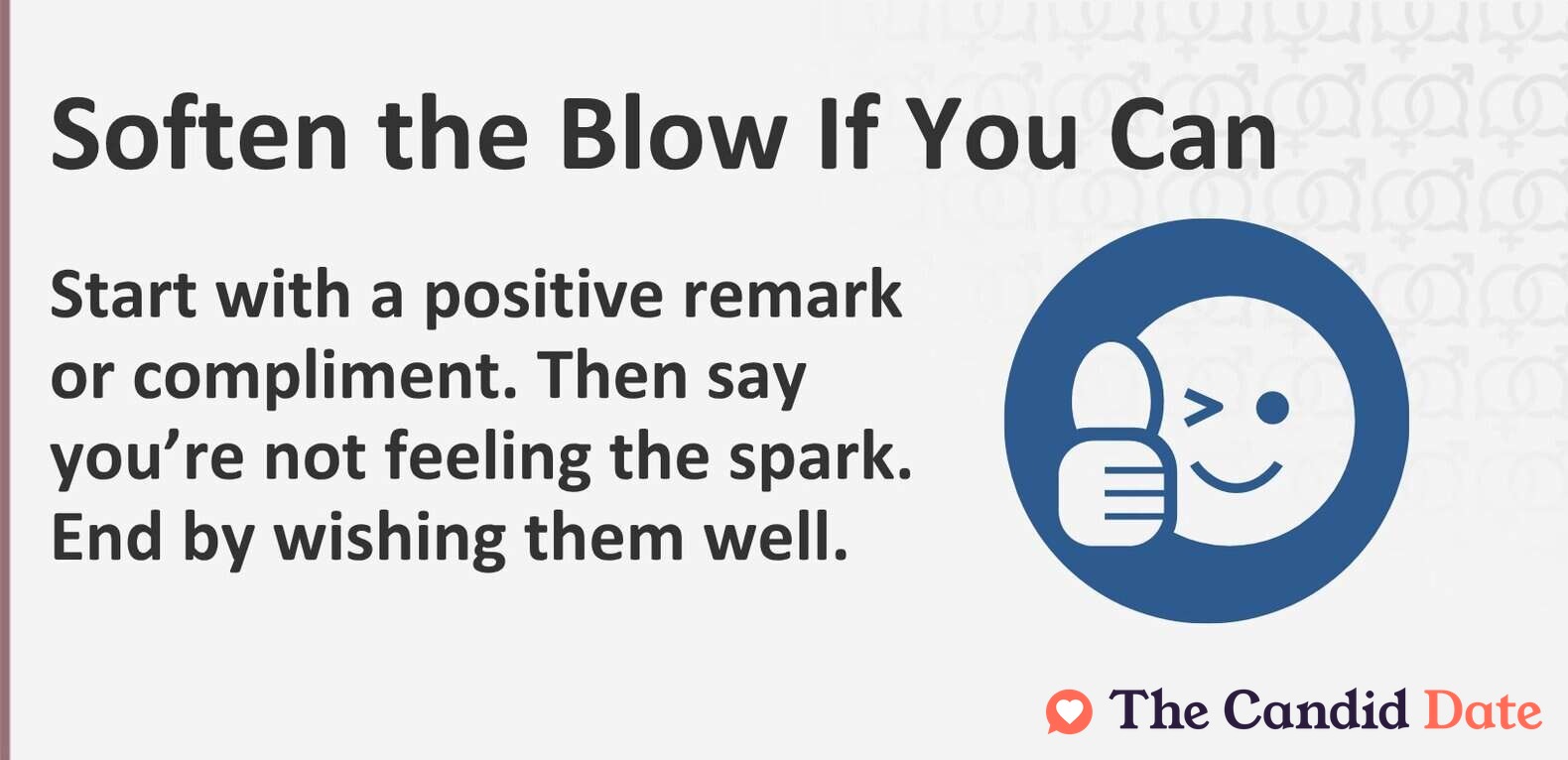
“I’ve really enjoyed getting to know you over the past few weeks. You’re [insert genuine compliment about something specific], but I’m not feeling the connection I’m looking for. I wish you nothing but the best!”
I always suggest adding a compliment, since it recognizes what was genuine and good about the time you spent together, even though it didn’t work out.
It shows you respect the time they put into getting to know you.
Here’s something to expect: when a relationship ends, some people will push for details and ask “why” questions.
Like I said, nobody is entitled to the details, but I DO recommend acknowledging their question with something like:
- “I don’t think I can pinpoint one specific thing… It’s just a feeling.”
- “Sometimes the connection’s just not there.”
- “I’m not sure we fit together well.”
After that, let the conversation wrap up. Don’t get dragged into a long back-and-forth that only hurts you both more.
When You’ve Been Dating for Months and Want Different Futures
By now, this is a real relationship, and this is a HARD conversation.
You’ve likely become part of each other’s lives: you’ve met the friends and family, spent weekends together, and made plans for future trips. Honestly? This part totally SUCKS!
Few things hurt more than realizing your values, life goals, or visions of the future don’t line up in the ways that count. After all that talk about kids, they suddenly decide they don’t want any.
Or maybe you’re noticing that the way you each approach money, religion, or lifestyle is just worlds apart.
At this point, breaking up over text is off the table! I strongly urge you to have this talk in person, or at minimum on the phone if distance or clashing schedules make meeting impossible.
This person has poured real time and feeling into what the two of you were building, so they’ve earned a real conversation in which they can hear your voice, however painful it is.
I recommend taking some time to prepare before this conversation. Know exactly why you’re ending it, and putting your reasons on paper may help you organize your thoughts.
Pick a private, neutral spot where you’ll both feel comfortable and there’s room for emotions to come out.
Expect questions, tears, anger, or efforts to bargain and change your mind.
It’s scary, I know… but you can handle it. Just start the conversation.
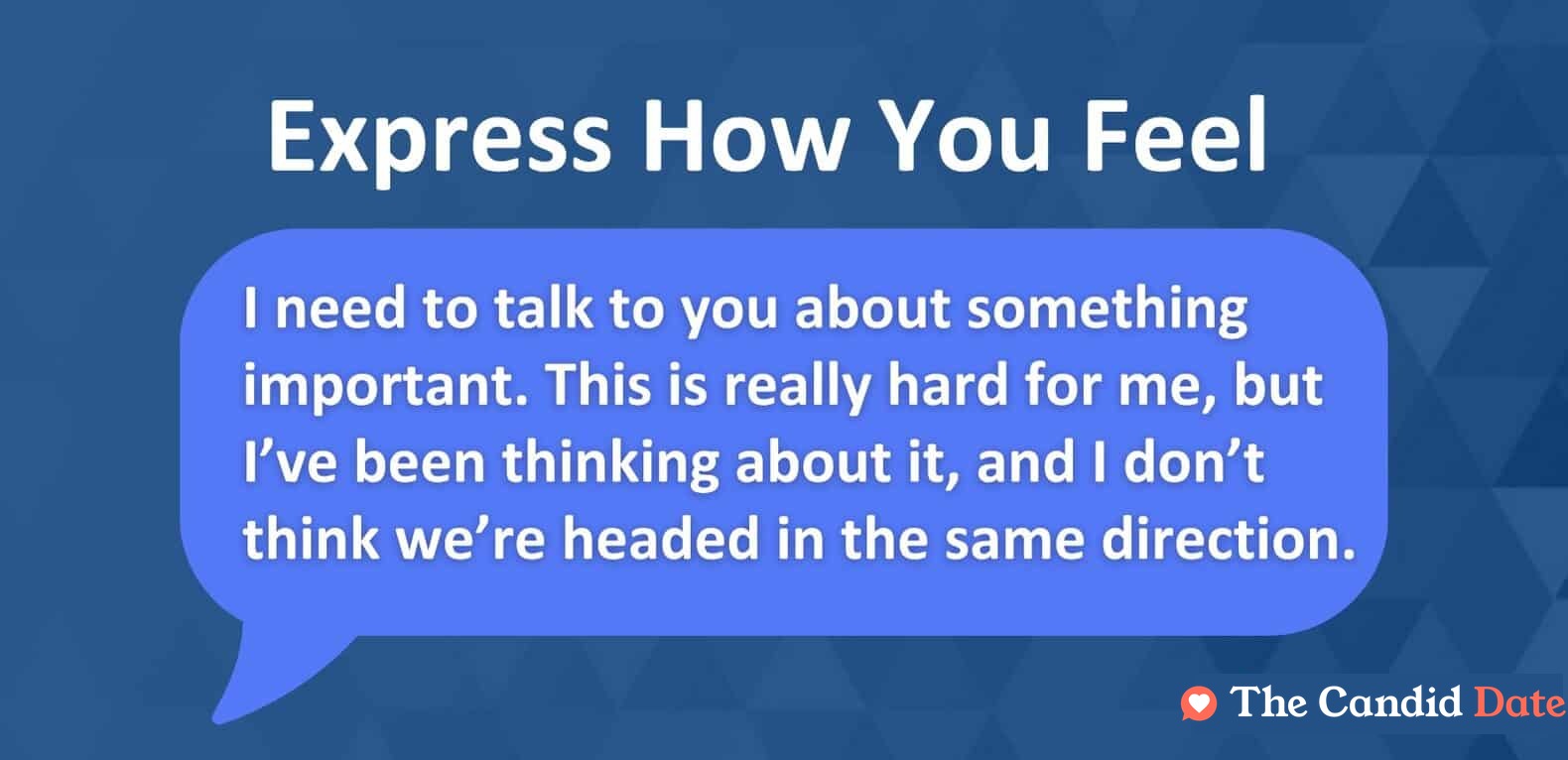
The more specific you can get about why you’re incompatible, the better. Why? Vagueness leaves room for hope and confusion.
Here are three things you could say:
- “I’ve realized I want to live abroad and your commitment to staying near your family is making me realize our life visions are mismatched.”
- “Our values around money and financial planning are more different than I initially realized, and I don’t think either of us should compromise on these core values.”
- “I care about you deeply, but the more time we spend together, the clearer it becomes that we want different things from a partnership.”
It also matters to acknowledge how much the relationship meant to you, with something like:
- The last three months have really mattered to me.
- I’ve learned so much about patience from you, and you’ve shown me what truly prioritizing someone looks like.
- This isn’t about you falling short. It’s that we’re not a good long-term fit for each other.
Validating them this way honors what was genuine and good, even though it’s over.
After that, I suggest being clear and final.
If you’ve given this careful thought, I’d recommend telling them that:
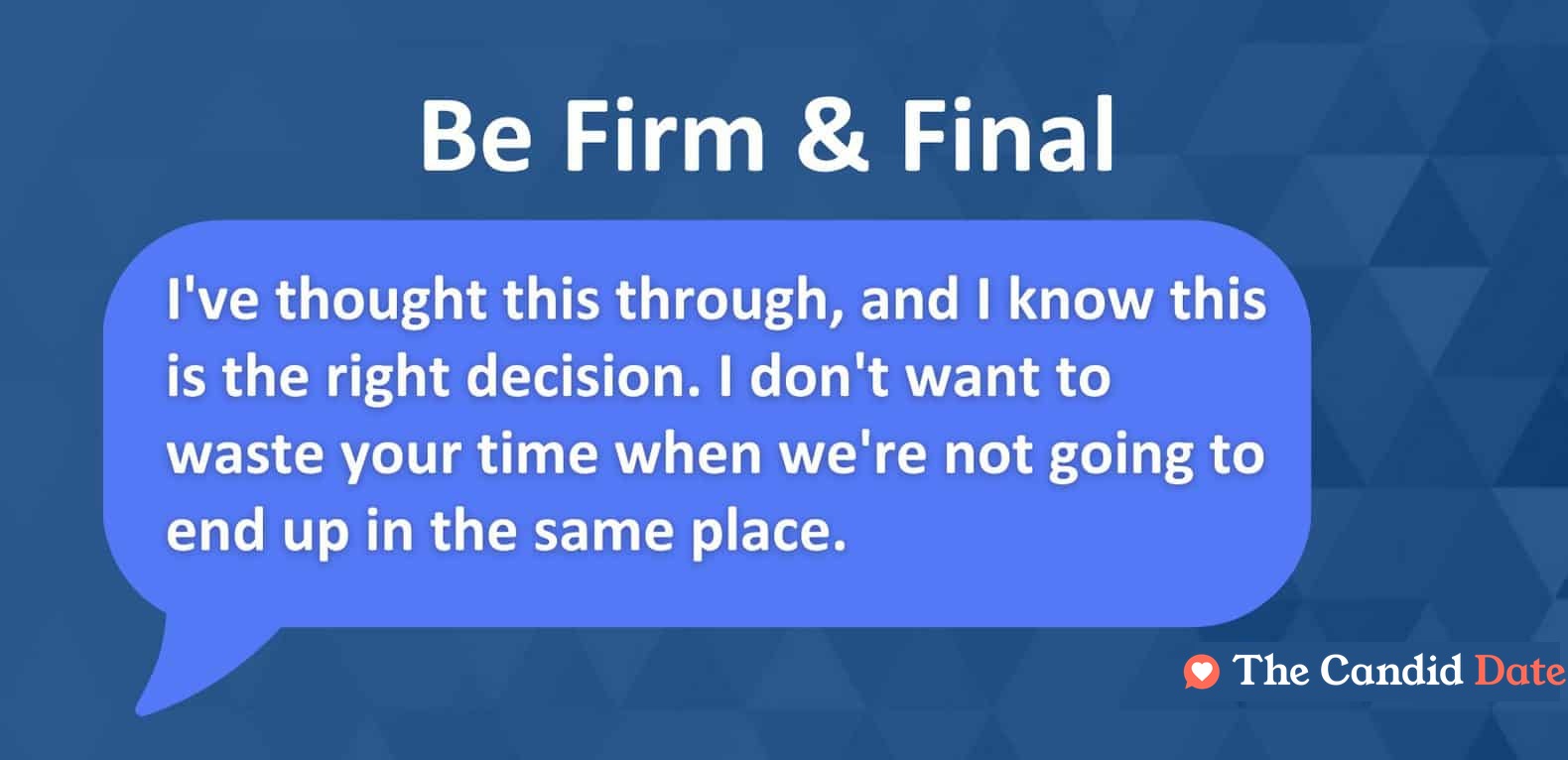
They might push the idea of “trying harder,” but if you’ve truly decided, hold your ground.
Hear them out and answer what they ask, but don’t let the conversation drag on for hours going over the same points again and again.
When It’s Okay to Ghost
Everything so far assumes the person you’re dealing with shows you basic respect and keeps you safe. There is one exception, though.
If you notice any of the signs a relationship is abusive, it’s completely fine to block the person and ghost them. You don’t need to explain or give closure. Your safety matters more than anything else here.
If you need support, I strongly encourage reaching out to domestic violence resources; for example, the National Domestic Violence Hotline at 1-800-799-7233 is open 24/7.
The Truth: Ghosting Hurts
Disappearing can feel easy, even tempting. It spares you from dealing with hurt feelings and their fallout.
The reality, though, is that every time you ghost someone rather than being direct, you’re saying your discomfort matters more than treating people with respect.
Rather than ghosting, be honest about your feelings. Treat leaning into the discomfort as a kindness, whatever the outcome.
It gets a bit easier each time, until eventually you notice you no longer run from hard conversations. You’ve grown strong enough to face them.
This won’t be easy, but the right thing seldom is. You’ve got this.
And here’s my promise: Once you’re past that uncomfortable conversation, you’ll feel free, knowing you acted with integrity.
About the Author
By: Liam Smith
Dating Coach
Liam Smith is a relationship coach at thecandiddate.com. His mission is to empower singles to heal, build self-confidence, and find a loving, genuine connection through conscious dating.
Share the Knowledge!
Our dating experts work hard to show you the best dating sites. Want to show your appreciation? Share this page!