Floodlighting in Dating, Explained by Two Psychologists
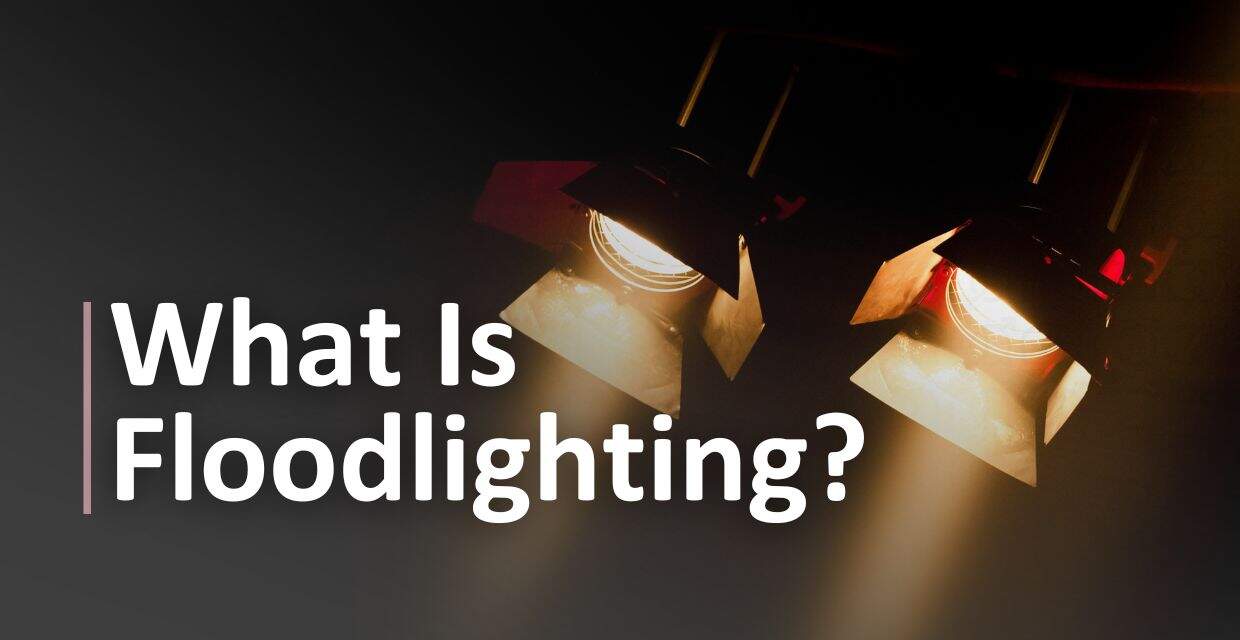

You may already know dating terms such as “gaslighting” or “breadcrumbing.” Now there’s a new one: “floodlighting.”
The term, coined by researcher and author Brené Brown, usually means oversharing deeply personal information to fake a sense of intimacy or put a relationship to the test.
On TikTok and Reddit, people are sharing their run-ins with floodlighters and explaining why the behavior causes problems in dating. Here’s what experts say about the latest dating buzzword, how to recognize it in your own love life, and what to do about it.
What Floodlighting Means
“Floodlighting is when someone shares personal, often heavy, details too early in a relationship — like on a first date,” said Lisa Anderson, the clinical director of Brooks Healing Center and a licensed clinical social worker.
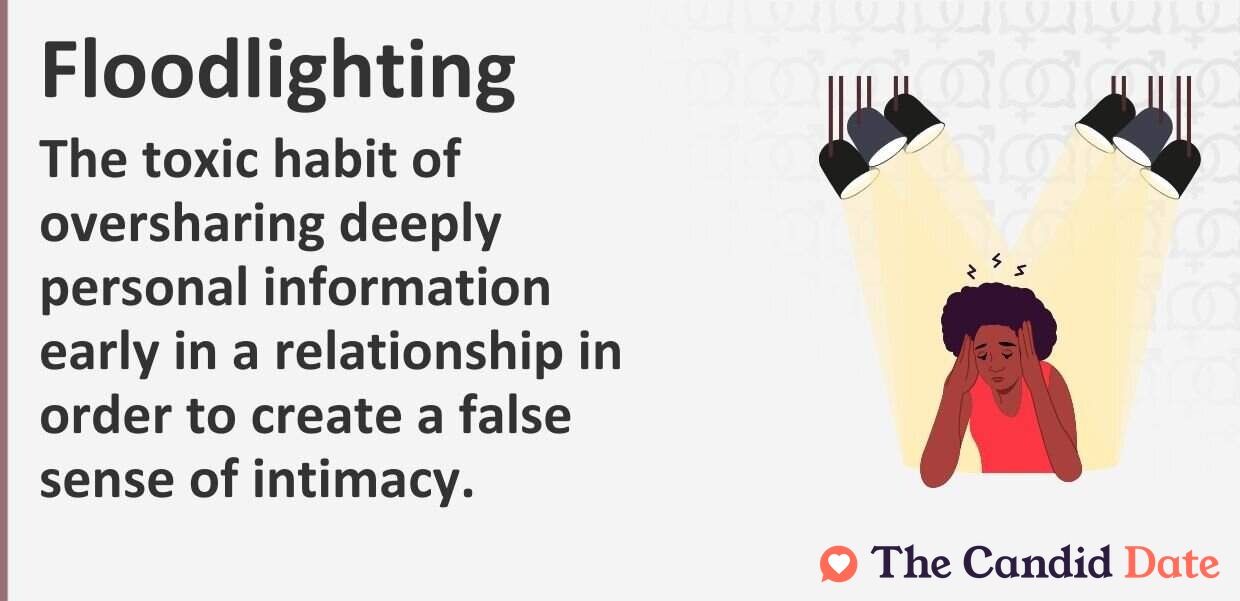
“Instead of letting things unfold naturally, they immediately unload deep traumas, past heartbreaks, or intense emotions, hoping to create an instant connection,” she said. “The term comes from the idea of shining a super bright light on someone before they are ready, instead of gradually warming up to more personal topics.”
Anderson pointed out that people don’t necessarily floodlight with bad intentions. Some share personal details fast because they’re craving emotional closeness; others might not notice they’re overwhelming whoever they’re talking to.
Floodlighting Tries to Force Intimacy
When I first read about floodlighting, my reaction was, “Well, that’s not so bad.” Which of us hasn’t cracked a clumsy joke or gone a bit too deep after a drink or two?
But experts say that if real intimacy is what you’re ultimately after, rushing there by disclosing overly personal things won’t work.
“Floodlighting is problematic because real intimacy takes time and trust,” said Dr. JJ Kelly, who is a licensed clinical psychologist. “Floodlighting is NOT true vulnerability — it’s often driven by anxiety, insecurity, or a need for validation. It can create an imbalance where the other person feels emotionally burdened or even pressured to reciprocate.”
Anderson added that floodlighting can also manufacture a false sense of intimacy, leaving one or both people feeling a connection that may not really exist (yet).
“Just because someone shares something deeply personal does not mean there is a real emotional connection; it just means they are comfortable talking about their past.” — Lisa Anderson
For many Americans, it’s also just a turn-off. According to a recent YouGov survey, 42% of Americans (47% of women and 38% of men) consider it unacceptable for someone to open up about past trauma in detail on a first date.
A smaller group (31%) call it acceptable, and 27% aren’t sure how they feel about it.
If you notice a habit of discussing your trauma or very personal matters on first dates, it may be worth asking yourself why.
- Do you hope that laying the big stuff out early will screen out people who aren’t a good fit?
- Do you hope that opening up about this part of your life will bring the other person closer to you?
- Would a certain reaction from them change how much you like or trust them?
- Are you trying to find out how much they can take?
Working through these thoughts by yourself in a journal, or with a therapist, could help your dating life.
To be clear, there’s no reason to feel ashamed of your trauma or the messier parts of your life. They’re part of what you’ve lived through, and you can share them with a partner (if you choose to) after more trust is in place.
Dating a Floodlighter? You Can Set Some Boundaries
Picture yourself on a date when the other person suddenly unloads heavy details about their family history or past relationship onto you, and it feels off for a first date. So how do you handle it?
Kelly says a boundary doesn’t have to be harsh. “A simple, ‘Whoa, that’s a lot for a first date. I’d love to get to know you more over time,’ acknowledges their feelings while gently signaling that you’re not ready to dive into that level of depth yet,” she explained.
Anderson says that if what they’re telling you makes you uneasy, another option is to acknowledge it and then steer the conversation somewhere lighter.
“A simple redirect, like ‘That sounds like a significant experience for you—what is something you are excited about these days?’ helps move things in a lighter direction while still acknowledging what they have shared.”
Watch how they react. A graceful response is a great sign, and it may mean they were only oversharing because of nerves.
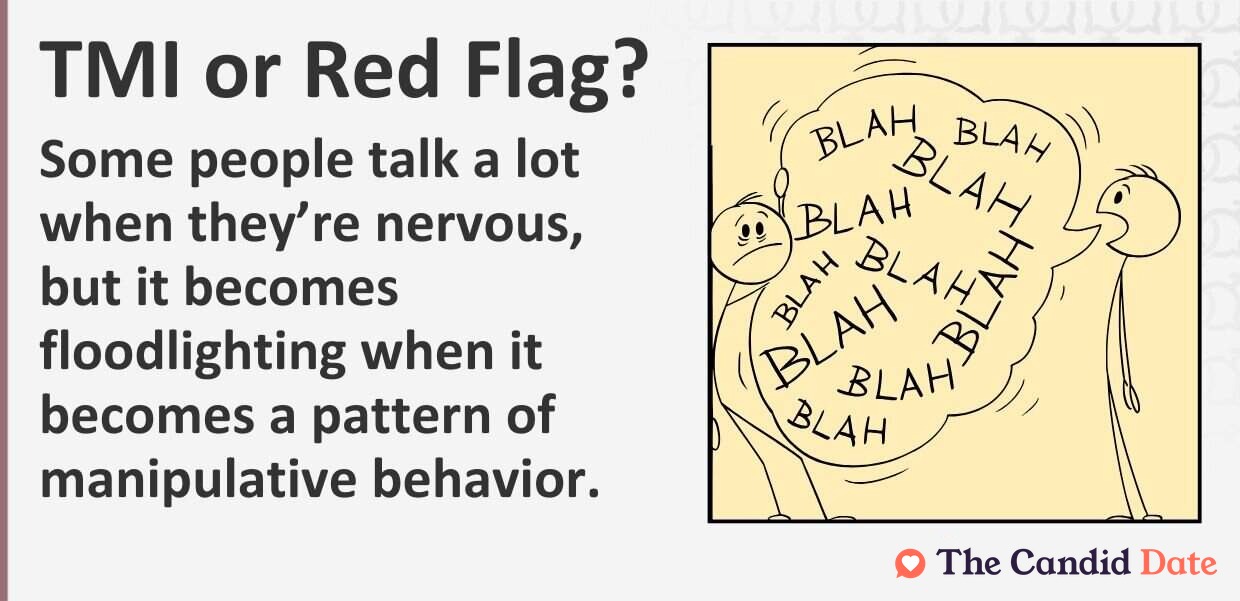
At least one study has shown this is fairly common: when managing one behavior drains your mental resources, you’re left with less willpower for managing others.
So after an overwhelming day at school or work, heading out on a nerve-racking first date makes you more likely to overshare.
But if they push back after you set a boundary, or keep heaping heavy stuff onto you, consider it a red flag. “A healthy relationship should feel like a mutual exchange, not an emotional unloading session,” Kelly said.
Getting Personal Without Oversharing
So we’ve agreed you likely don’t want to get into detail on a first date about your ex cheating on you or the tension between you and your mother.
That doesn’t mean you have to stay on the surface with the standard first-date questions, like what they do for a living or how long they’ve been in the area (though that kind of small talk can be valuable bonding, too!).
Ideally, you want to ask questions that spark interesting conversations without making the date feel like a therapy session or job interview.
The experts say some good “getting to know you questions” that are neither too deep nor superficial include:
- “What’s something you’ve been really excited about lately?”
- “What’s a weird or awesome experience you’ve had?”
- “If you could instantly master any skill, what would it be and why?”
- “If you could take a year off to do anything, what would it be?”
- “What movie, book, or song stuck with you?”
“These questions keep the conversation engaging while giving insight into someone’s personality,” said Anderson. “They are meaningful but do not force deep emotional discussions before both people are ready.”
This approach also lets intimacy develop at a more natural pace, since you’re sharing gradually and listening actively to your date. “Think of intimacy as a slow-burning candle, not a bonfire,” Kelly said.
Floodlighting Can Ruin a Date
You can floodlight without consciously trying to manipulate anyone. But even without bad intentions, it can still turn your dates off.
Nobody sets off for a first date hoping to hear “Wow, I hope he tells me about his emotionally abusive ex,” or “I hope she tells me about the untimely death of someone she cared about.”
There’s nothing shameful about these experiences, and you don’t need to hide them. But there’s a right time and place for telling someone you’re just starting to know about them, and the first date isn’t it.
About the Author
By: Abigail Robinson
News Writer
Abigail Robinson is a professional writer and editor covering news, lifestyle, and modern dating trends for thecandiddate.com.
Share the Knowledge!
Our dating experts work hard to show you the best dating sites. Want to show your appreciation? Share this page!