What Counts as Cheating? Causes and Warning Signs



Infidelity is a shameful secret that often isn't much of a secret anymore. Chances are you have at least one friend whose partner cheated on them. Maybe you've watched the warning signs play out in your own family or relationship. Then along comes news of one more celebrity couple splitting up over a steamy affair (Hugh Jackman, why?!). At times, it's enough to make you swear off love for good.
Cheating means having an illicit physical or emotional connection with someone outside of a committed relationship or marriage.
Don't lose heart! In my research, I found that cheating is common, sure, but it's also preventable, and you can get through it. So if you stay alert, you can catch the signs of cheating early and either deal with the problem or kick the cheater to the curb and find someone who deserves you.
I've gathered everything you should know about cheating, from the red flags worth watching for to what to do once you find out your partner has been sneaking around on you.
Kinds of Cheating
Picture infidelity, and you likely imagine someone sneaking off to a hotel to meet a secret lover. What you may not know is that cheating can happen without any sex at all.
Plenty of cheaters try to excuse what they did by pointing to supposed gray areas. I'm not buying it. In reality, cheating takes lots of shapes, and all of them cause pain.
Emotional Cheating
Have you ever noticed your partner sending heartfelt messages to someone else? You may get the sense that they're giving another person comfort and support.
Maybe your partner acts like half of a couple with a close friend, judging by how often they talk and how much they rely on each other. Over time, you might begin to wonder whether this other person matters more to them than you do.
They may not have ended up in bed with that close friend, but emotionally, they've already strayed. That's emotional cheating.
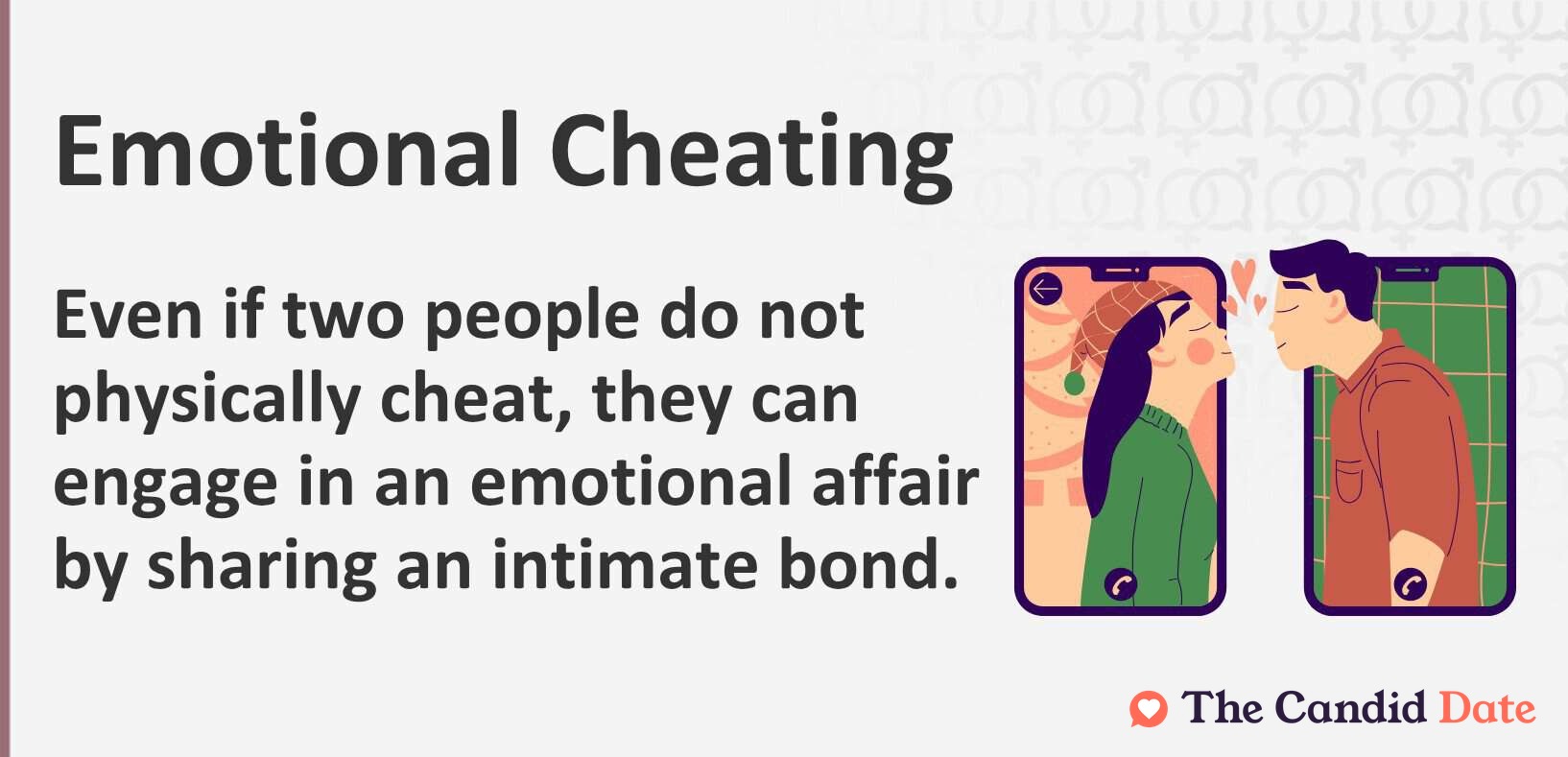
Emotional cheating means forming a deep emotional bond with someone outside the relationship. It isn't the same as simply having a close friend. An emotional cheater pours their thoughts and feelings into someone else while shutting their partner out.
A partner who's cheating emotionally will begin turning to a friend, instead of you, to meet their emotional needs. You may end up feeling starved for affection, or feel that your spouse has become little more than a roommate.
Even worse, people often don't bother to hide emotional affairs, so you may see the whole thing unfold. It's a bit like watching from the seats while someone else plays the lead role that used to be yours.
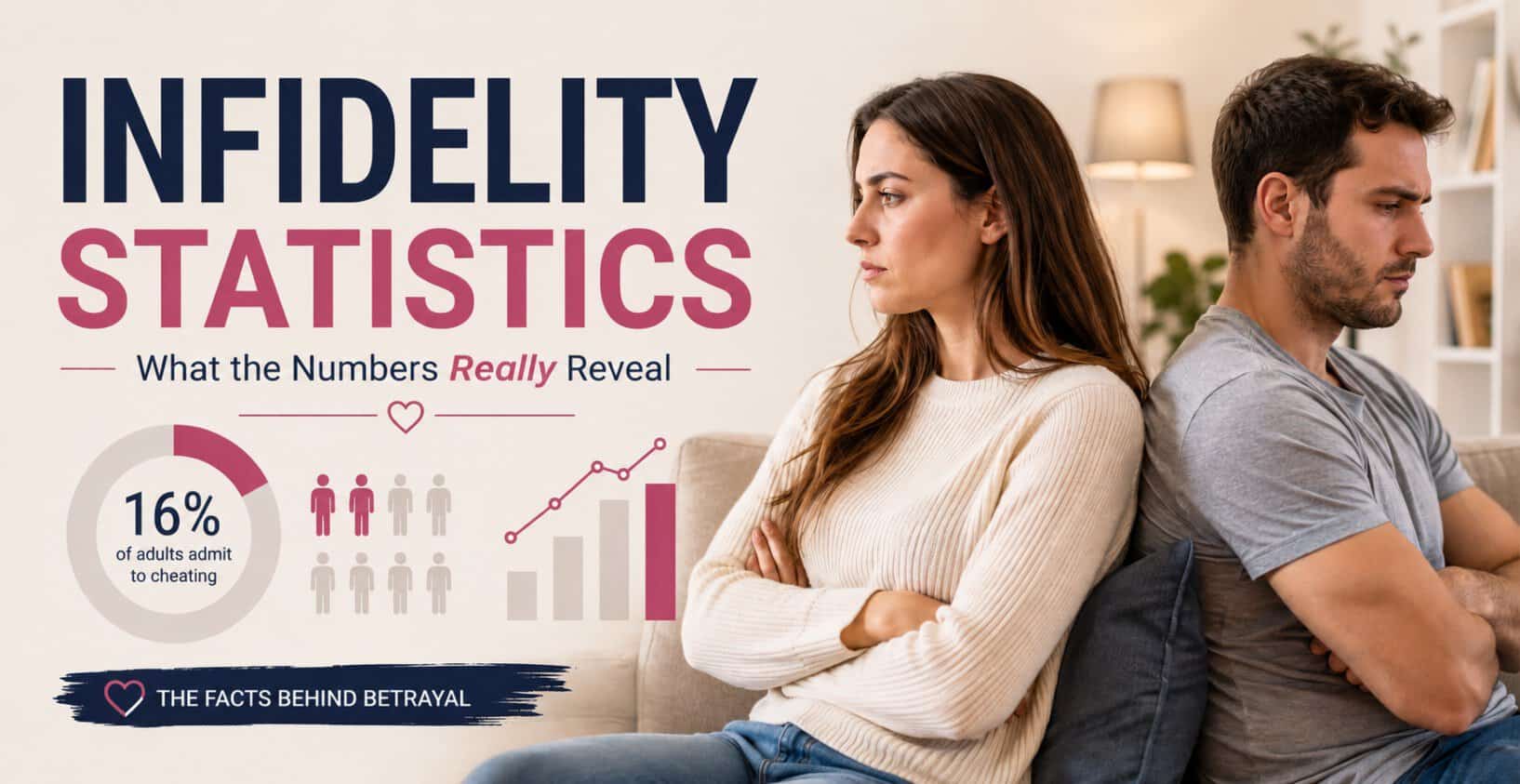
Statistics from TechReport show that men and women alike dislike emotional affairs more than physical ones. When someone you love shares emotional intimacy with someone else, and that closeness is missing from your actual relationship, it can feel threatening or downright devastating.
Emotional affairs often begin at work. That's no surprise, since coworkers spend big chunks of the day together, away from their partners. Setting limits on what's okay when dealing with coworkers matters. Good friendships at work are normal and healthy, but at some point, things can cross a line.
Physical Cheating
Physical cheating is the most typical and blatant form of betrayal in a relationship. Not much hurts worse than finding out your partner has kissed someone else, groped them, or had sex with them.
It might be a one-night stand or an affair that drags on for months. An unhappy partner might gradually fall for someone and cross the physical line in a weak moment, or they might hook up on impulse with a stranger from a bar or a party.
More than 80 million people have signed up for Ashley Madison, which suggests that wanting to cheat is pretty common.

Ashley Madison started out as a site for people seeking affairs.
A partner who sleeps with someone else doesn't always find that person more attractive than you. The reasons often run deeper, and you should talk them through before making any big decisions. Keep in mind that honest communication can make or break a relationship.
All the same, keep in mind that cheating is a choice. You have every right to forgive a partner who cheated or to walk away, but if they had a long affair or cheat again and again, then each time they did it, they chose to betray your trust. Ask yourself if you really want a significant other like that by your side.
Physical cheating comes with health risks, too. Having sex with several partners raises a person's odds of catching a sexually transmitted infection (STI). Your partner could contract an STI through infidelity and pass it along to you without you knowing a thing.
If you think your partner has been unfaithful, get tested. Hiding from the truth does you no good. See a doctor and talk it over. You have to know.
Digital Cheating
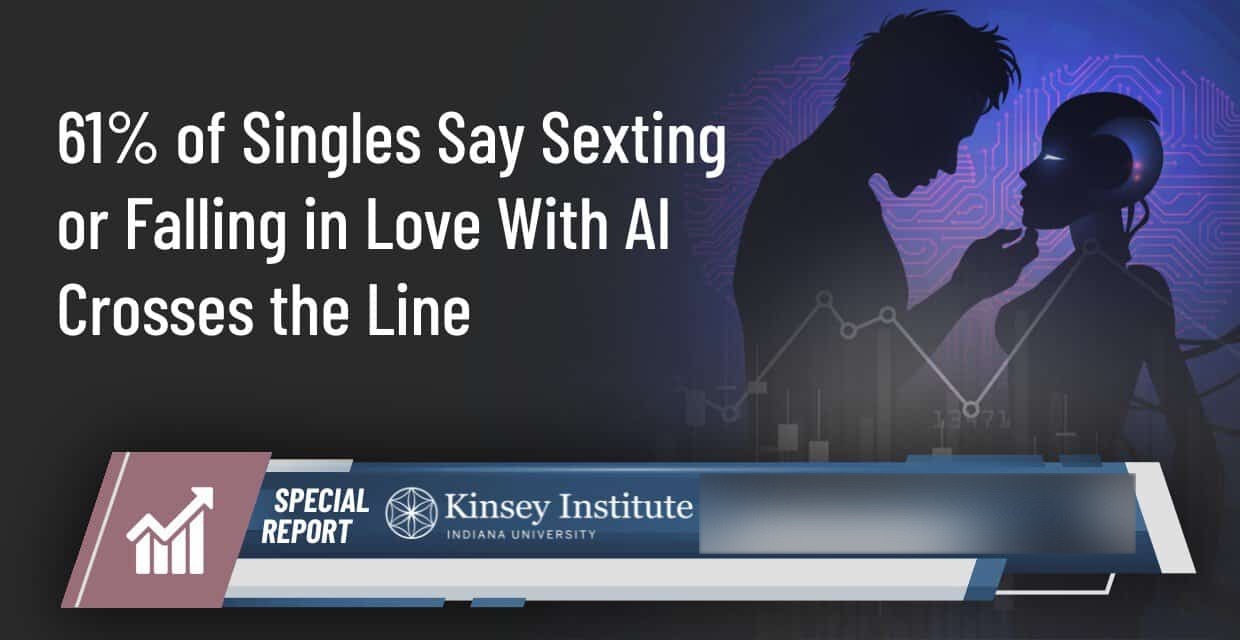
With smartphones, dating sites, and other modern tech, cheaters no longer have to meet face-to-face. Digital cheating means crossing lines online, whether that's sexting, swapping nudes, or having intimate talks over voice or video chat.
It may begin with everyday online stuff like liking or commenting on someone's posts, or gaming together.
But just like offline, the more time you spend interacting with people online, the closer you get. In time, that can grow into emotional or physical cheating.
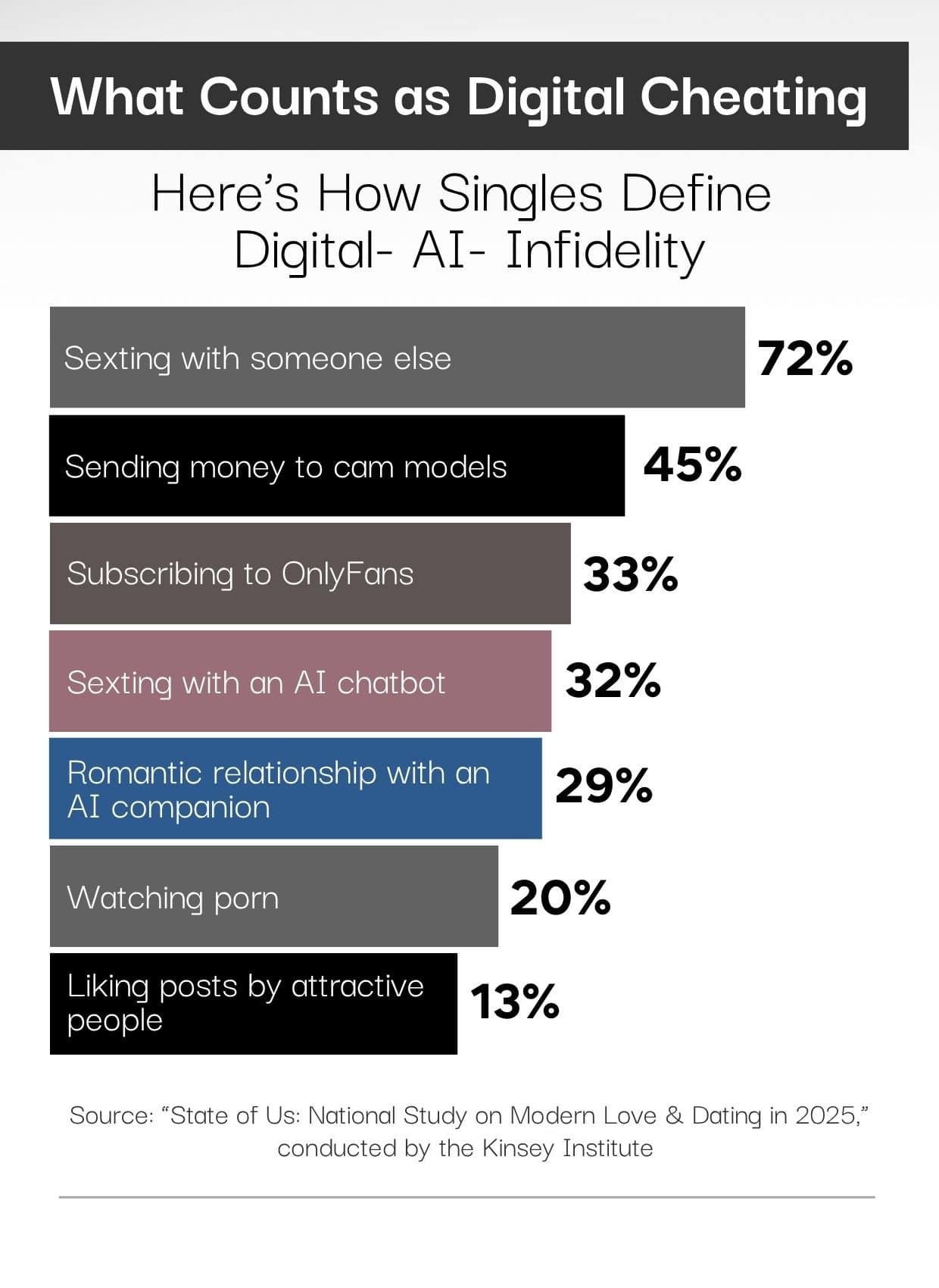
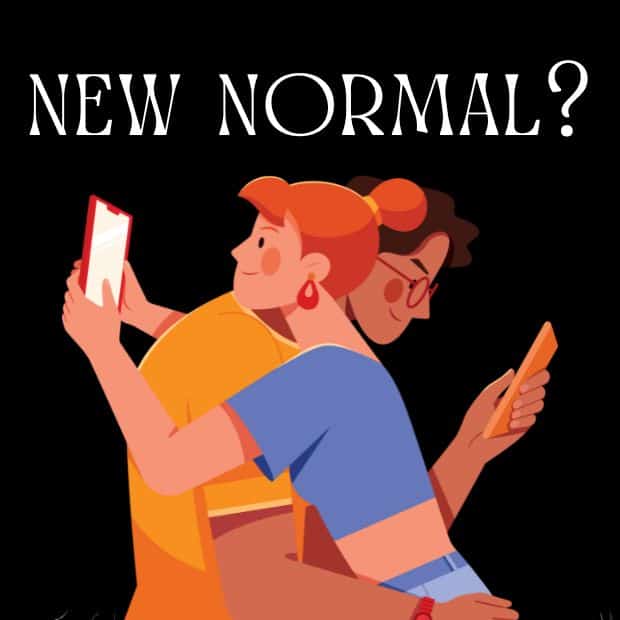
Online cheating can be addictive since secret messages can arrive any time of day or night. A fresh fantasy or a quick ego boost might be only an IM away. It's easy, and it may feel less risky than real, vulnerable intimacy in the bedroom.
Your cheating partner may never meet the person they've bonded with online, and they may even be chatting with an AI bot, but learning that they've developed feelings for someone in a roleplaying game or on a forum can still really hurt.
How Cultures and Individuals View Cheating
What counts as cheating depends on who's looking. In some cultures, people don't judge a cheating husband or a mistress very harshly.
Americans were ready to impeach a sitting President over lying about his affair. Meanwhile, the King of England wed his mistress, and the two of them share a home in Buckingham Palace.
Your background and upbringing can shape how you feel about cheating.
Societal Norms
Each culture sees cheating through the lens of its own social norms.
Take people raised in a traditional South American community, for instance: to them, marital fidelity is sacred. Getting caught cheating there isn't only a broken trust between two people. It carries social costs, too, like a damaged reputation, lost honor, tension with family, and being cut off from the church community.
Put another way, one person's cheating turns into everyone's problem.
And what about the U.S.? It ranks among the countries least tolerant of cheating. According to the numbers, over 80% of Americans consider affairs “morally unacceptable.”
Even so, Americans mostly see cheating as a private matter. Parents and close friends usually stay out of it unless someone asks them to step in. Couples are expected to sort out infidelity between themselves.
A couple can choose to try again, see a marriage counselor, or divorce. Divorce might look like the simple way out, but it comes with its own challenges. It can be expensive, between lawyers' fees, alimony, and the cost of running two separate households.
When it comes to social pressure, loved ones may judge the cheater and pull away. But today, with people living independently and a fresh start being as simple as moving to another state, some may not worry much about that fallout.
Individual Boundaries
Each couple gets to decide what counts as cheating in their own relationship.
For some people, staying close with an ex crosses a line. Others don't mind if their partner stays on good terms with exes or has close female friends, provided nobody sleeps together.
Talking this through is vital for a healthy relationship. You have to find common ground, sort out any misunderstandings before they happen, and make sure you both feel secure.
Some couples have routines that show they trust each other and keep their lives open to one another.
A few easy examples:
- Give each other your phone and social media passwords.
- Allow your partner to see your conversations with certain people.
- Bring your partner into group plans and introduce them to your friends.
Boundaries matter in a relationship because they spell out what each person expects.
A relationship that's too loose or vague is an invitation for trouble. One that's too rigid can leave you feeling caged.
What Leads People to Cheat
Every couple begins hoping for a happily-ever-after. The path there, though, can get rocky. The following factors can drive someone to cheat, even when they used to be happy with their partner.
Lack of Communication
Communication is the bedrock of every relationship. It means more than swapping stories; it means really listening to your partner. Lots of affairs begin with little things, like one person feeling ignored or unheard.
Something as simple as asking, “How was your day?” after work can go a long way. Just make sure you mean it when you ask. Set your phone aside and give your partner your undivided attention.
Getting to know your partner's world can improve how you talk to each other. If they're an engineer, show interest in what they do and meet the people they work with. If they're a performer, go to their shows and ask what happens backstage.
That way, you'll be able to ask sharper questions and give more than a “Sure,” or an “I see” in response. Your partner will quickly notice the effort you're making, and it'll leave a lasting impression.
Emotional Needs
When two people commit to each other, they each promise loyalty and love. Still, loving a person and making them feel loved are two very different things.
To have a healthy, loving relationship, you have to show how you feel.
Sure, you can plan date nights, give presents, or take romantic getaways together. Moments like those deepen a couple's emotional bond. But a real relationship isn't built on big gestures or once-in-a-while treats. No bouquet can make up for a partner who's cold or neglectful.
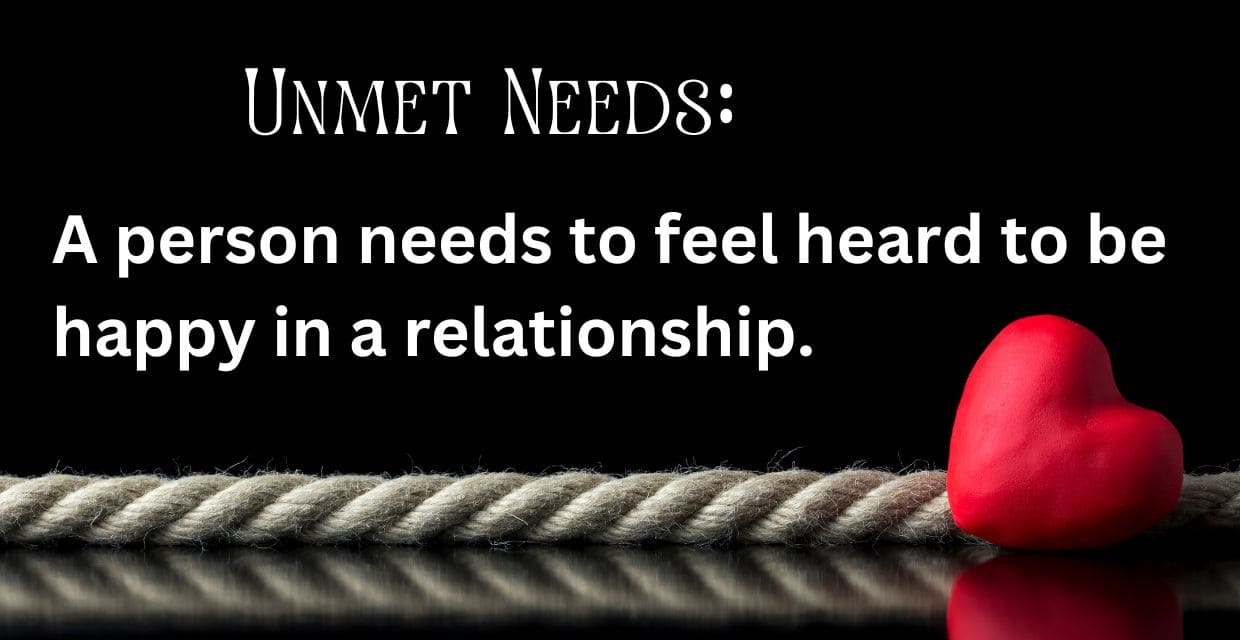
A simple question such as “Is there anything on your mind that you’d like to talk about?” can leave your partner feeling seen and heard.
If your partner does something you enjoy, let them know you're grateful. You could say, “I like it when you hug me” or perhaps “This meal you made is delicious. I’m very lucky.”
Small moments like these can do a lot for how satisfied you both feel in the relationship.
Without regular reassurance, a married person can start to feel ignored. They might see their spouse daily and still feel completely alone.
That's often where a wandering eye and a restless heart begin.
Staying faithful is part of being a grown-up in a healthy relationship. Some people just aren't built for it. Sadly, if your partner is toxic and will cheat whatever you do, it's time to move on to someone new.
Opportunity and Temptation
With cheating, some people fixate on outside factors: who, when, and where. They go through their partner's phone, bring in a private investigator, demand hours of video calls whenever their partner travels, or blow up when their partner so much as glances at someone hot in public.
Jealousy works like fire. A small spark can guard a relationship, but too much will burn it to the ground. No one likes being treated as a suspect. As Elvis sang in “Suspicious Minds,” a couple can't last when mistrust takes over, and he was onto something!
Outside factors certainly create chances and temptations to cheat. There will always be an attractive secretary or a sexy neighbor. That's out of your control. What you can do is keep your commitment, trust your partner, and work hard to build a happy relationship.
Spotting the Red Flags
Whatever cheaters claim once they're caught, cheating doesn't “just happen.” It's a deliberate decision. Most of the time, it grows out of unhappiness nobody dealt with, which sends one partner looking for validation somewhere else.
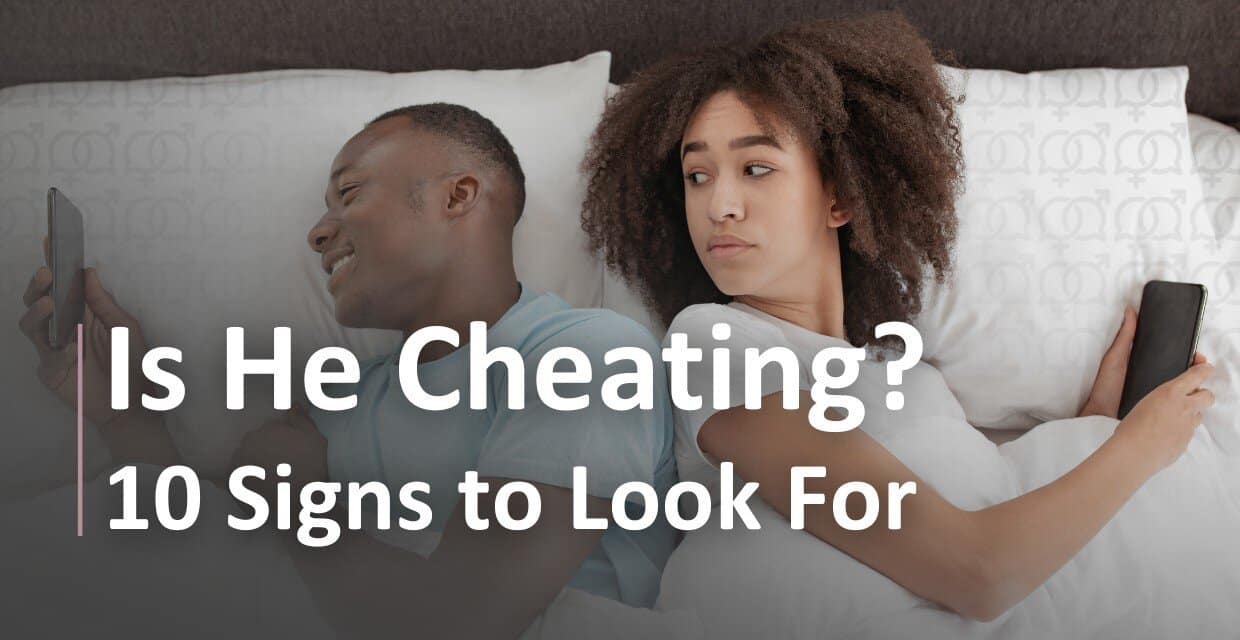
Noticing red flags lets you tackle possible problems before they spiral. Here are some signs that your partner could be cheating, or thinking about it if they haven't yet:
- Sudden changes in behavior
- Moods that are more secretive, cagey, and quick to get defensive
- Acting emotionally distant
- Less time spent with you
- Odd transactions on bank statements or costs they can't explain
- Late nights out, long hours away
Some suspicious partners use cheating spouse tracker apps to snoop on messages and online activity. Still, talking openly and honestly is the best way to work things out. If you'd like to look at your partner's phone, ask first and do it with them in the room.
Don't answer one boundary violation with a bigger, more blatant one of your own. If it turns out they weren't cheating, you've just sunk a perfectly good relationship.
How Cheating Affects Relationships
Crossing the line may give a cheater a rush. A kiss or a sexual fling can feel thrilling in the moment. They might think the brief slip will stay small and hidden, but over time it can lead to serious consequences.
Consequences of Cheating
Once infidelity has poisoned a relationship, the emotional damage can crush both people. We tend to think the betrayed partner hurts most. Being betrayed can make eating, sleeping, or getting through the day a struggle.
Still, cheaters go through strong emotions as well, guilt and shame among them. The affair or other betrayals can loom over them as a huge mistake.
Worse still, unlike the person they cheated on, cheaters rarely get sympathy from family or friends. Karma? Perhaps, but it seriously hurts all the same.
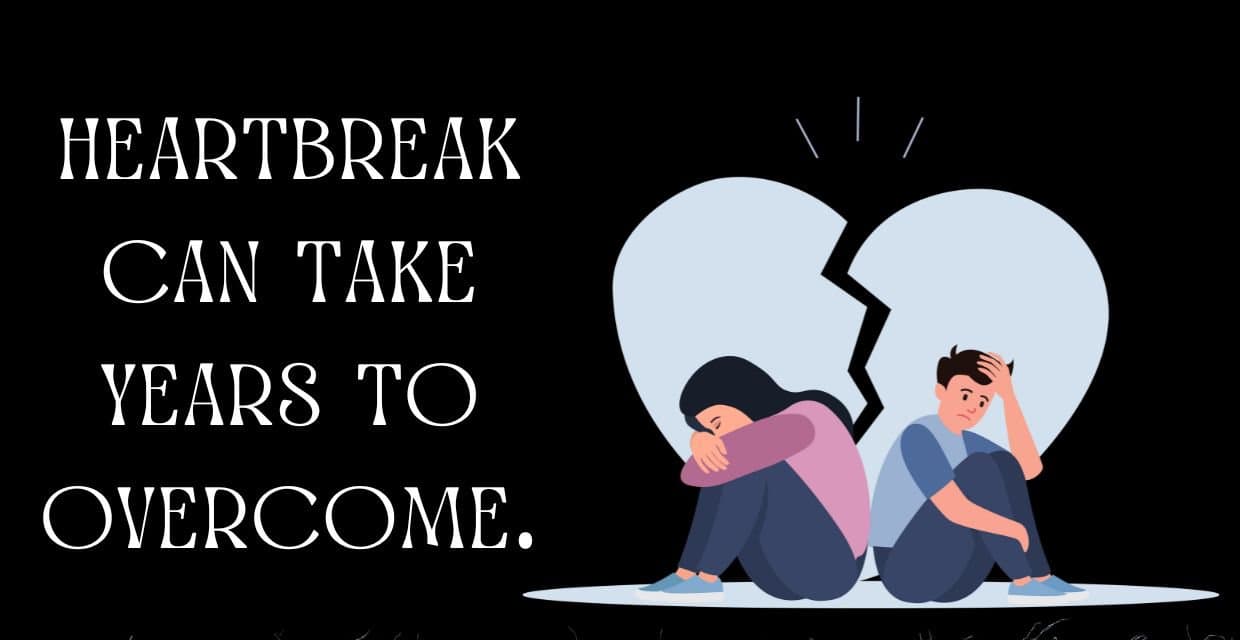
Getting professional help can be a smart move in this situation. Sessions with a marriage counselor give couples a safe place to share their feelings and dig into what really caused the infidelity.
Couples can also go to workshops or pick up books on healthy relationships. These can teach them new ways of treating each other so both feel more at ease together.
Rebuilding Trust
After infidelity, some couples choose to try again. If that's you, rebuilding trust will be among the hardest things you ever do. It's a long road that takes time, dedication, and openness to change.
Topics you need to talk through with your partner:
- Which thoughts or actions count as cheating?
- How do emotional boundaries work in your relationship?
- How should each of you behave around a possible crush?
- Are you having sex on a regular basis?
- Is your sex life living up to what you expect, or do you want more variety?
Rebuilding trust takes more than swapping passwords or tracking your partner's location when they're out of town or home late. It means creating a happy relationship. When both people are happy, neither goes looking for comfort from someone else.
Cheating Signals a Relationship in Trouble
Cheating hurts deeply and can leave both people with lasting scars. Whether you work on the relationship or walk away, healing takes time. Trust won't come back overnight.
The most important thing is to let what happened point you toward what comes next. The question that reveals the most: What do you want from a relationship?
Think about what you want from the relationship you're in now. If you're not getting it, it might be time to end things and look for love somewhere else.
About the Author
By: Evelyn Garcia
Men's Dating Expert
Evelyn Garcia is a dating and relationship expert helping men build confidence and lasting connections on thecandiddate.com.
Share the Knowledge!
Our dating experts work hard to show you the best dating sites. Want to show your appreciation? Share this page!