
7 Pressures Lesbian Couples Face, With Expert Advice



Lesbians in committed relationships can face all sorts of stressors that affect their bond, some of them specific to lesbians. Whether the issue is conflict with your partner or trouble with finances, intimacy, societal stigma, or family support, working through it can be hard.
Luckily, you can get past these stressors and keep your relationship healthy and happy. Below, we'll look at some of the biggest stressors in lesbian relationships and offer practical tips for handling each one.
1. How You Communicate
For any couple, communication ranks among the biggest sources of relationship stress. It can be especially tricky in lesbian relationships, since women tend to express emotion more than men do. If one partner feels her emotional needs aren't being met, misunderstandings and hurt feelings can follow.

Some challenges in lesbian relationships are ones straight couples can sidestep.
Being honest and open when you communicate with your partner lays the groundwork for a strong relationship. That means making time to discuss your concerns and feelings and truly listening to your partner. I urge my clients to schedule regular date nights where they can get ahead of any issues or concerns before they turn into problems.
By taking 5 minutes to think over a disagreement before it spirals, couples can learn to draw boundaries and build a safe space. A therapist or coach can help them build these skills.
An easy technique is speaking in “I” statements, which take ownership of how you're feeling or reacting. Choosing “I” over “you” statements keeps your partner from feeling blamed and helps you both open up more.
2. Family and Community Support
Lesbian couples also commonly struggle with dysfunctional support, or a lack of support from family and community. Plenty of lesbians face rejection from their communities and families, making a solid support network hard to build. And when one partner's family puts undue pressure on her, the couple gets pulled in opposite directions.
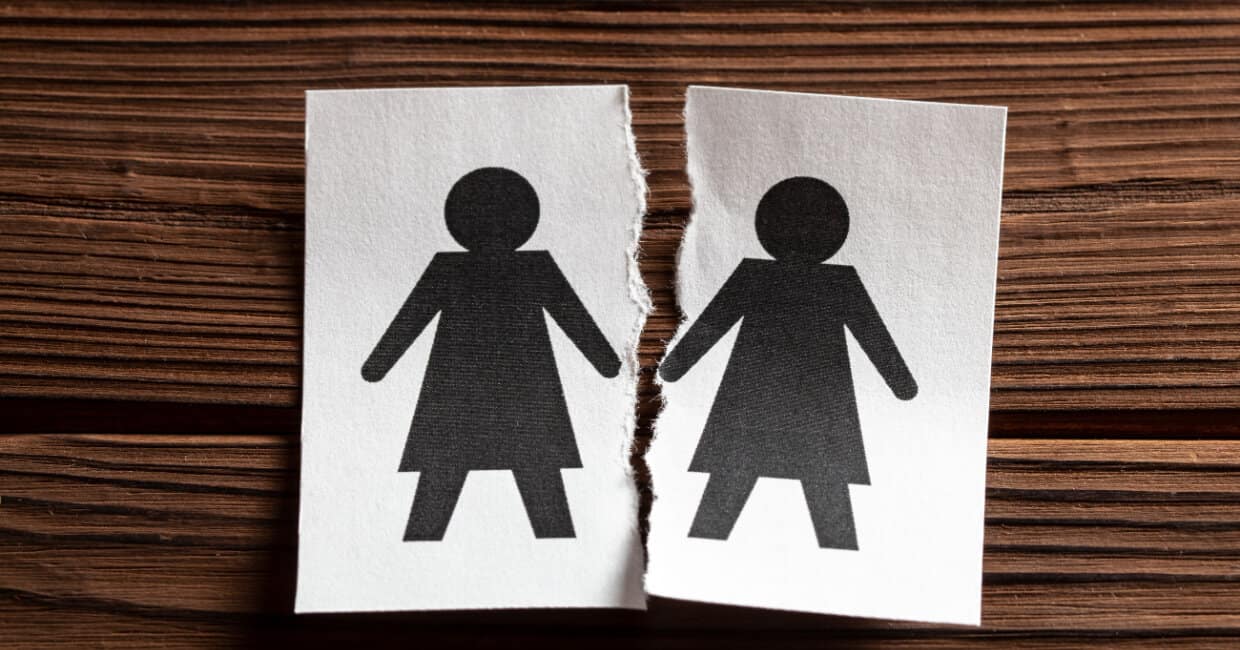
A lesbian relationship can feel extra pressure when family support is missing.
To get past this, lean on community organizations, friends, and other resources for support. A local LGBT support group is a great place to meet people who get what you've been through and can offer guidance and support.
Be open with your partner, too, about how you feel regarding support from family and friends. As a team, you can build a support system that works for both of you.
A friend group may feel threatened when a new partner comes from outside the circle. Make time to fill your friends in on your new girlfriend, and bring her along to activities so they get a chance to know her.
3. Stigma From Society
Discrimination and societal stigma are common for lesbian couples and can bring stress and anxiety into the relationship. It's especially hard when one partner is more at ease being out than the other. And if one partner works somewhere that isn't accepting, she may carry that stress home with her.

In a heteronormative society, stigma against same-sex relationships can keep lesbian couples from feeling free to be themselves in public.
A solid sense of who you are, along with a community that supports you, helps couples rise above societal stigma. That might mean signing up for an LGBT support group nearby and making like-minded friends.
Talk openly with your partner about how you each feel about being out. Then map out a plan together for handling challenges that may come up and for backing each other through hard times.
4. Money Worries
Money troubles put stress on every relationship, but they can be especially hard in lesbian relationships, where income gaps are common. Tension and resentment can build if one partner feels she's shouldering more than her fair share of the financial load.
Talking openly and honestly about money will ease the pressure. You might set up a budget, talk through your long-term financial goals, and split financial responsibilities fairly.

Income gaps and money stress can do serious damage to a couple's well-being.
It also means putting a framework in place for financial decisions and planning, plus rules you'll both follow.
If debt or other money problems are weighing on you, look into financial counseling workshops. As a couple, you can come up with a plan for managing your money and building a solid financial future.
Writing in Psychology Today, Dr. Barton Goldsmith named money the #1 cause of divorce, so it's critical that you get aligned, or at the very least agree on the rules you set together.
5. Jobs and Careers
Like any couple, lesbian partners can feel the strain when work and play are out of balance. When one partner's job is more demanding, it can throw the relationship into chaos.

Stress that comes from one partner's job can make things harder for a lesbian couple.
A coach or therapist can help couples work through this issue. For a healthy relationship, it's critical to talk about weekend obligations, travel demands, and long hours, and to set boundaries around them.
6. Kids
Any relationship can be tested by raising kids together. When kids from a lesbian couple's earlier straight or lesbian relationships are part of the picture, custody arrangements can get complicated, and reconciling different discipline styles only adds to that. It helps to stay flexible while sticking to set schedules as much as you can.
Lesbian couples can make this work as long as everyone commits to being fair and civil. Custody can get frustrating if an ex is still angry about the breakup. Usually, flexibility and good communication iron out the occasional kinks.
7. Intimacy Issues
In lesbian relationships, intimacy can cause major stress, especially when one partner wants sex less than the other does. That can leave someone feeling frustrated and rejected, which may end up harming the relationship. The one thing that sets a relationship apart from a friendship is sex, so make it a priority.
Tell your partner honestly and openly what you need and want. You might also think about professional counseling or therapy to sort out any underlying issues affecting your sex life.

Openness with each other is key when you're working toward more intimacy.
Health issues tied to sex might also be hurting your intimacy. Be upfront about them with your partner. It may help to talk with your doctor and find out whether medical treatment could make a difference.
Try other kinds of intimacy, like holding hands, cuddling, and spending quality time together. They can deepen your emotional connection and help you build a stronger, more satisfying relationship.
If your partner has experienced sexual trauma, counseling is critical for healing and moving on. After all, intimacy is what distinguishes a relationship from friendship.
When sex stops, the relationship takes a major hit and might not make it. “Lesbian bed death” is real, not a myth, and it happens when one or both partners lose interest. A sex therapist can help.
Stress Comes Naturally With Life & Relationships
To sum up, lesbian relationships, like all romantic relationships, can be hard, and some of their challenges are all their own.
A relationship coach or therapist can often help you handle the tougher challenges you meet along the way. And with commitment, support, and the right tools, lesbian relationships can last a long time and bring incredible rewards.
About the Author
By: Riley Hill
Lesbian Dating Expert
Riley Hill is a relationship coach guiding single lesbians to build loving, conscious connections on thecandiddate.com.
Share the Knowledge!
Our dating experts work hard to show you the best dating sites. Want to show your appreciation? Share this page!