
Marriage or Living Together? 14 Statistics Compared (2026)




Ask about living together before marriage and you’ll get a different opinion from everyone. Some people, especially younger ones, think it’s bananas to marry someone you’ve never watched scrub a toilet. Others object on moral grounds to sharing a home before tying the knot.
As someone who shares a home with my (now) fiancé, I definitely have a personal stake here. Still, facts interest me more than opinions.
The marriage and cohabitation statistics below show how American adults feel about living together and how it really affects long-term relationship success.
1. Since the 1990s, the Share of Married Americans Has Fallen to 46.4%
Americans aren’t marrying anywhere near as often as they once did. And because people are also marrying later, a bigger share of their lives is spent unmarried.
According to one study, the share of American adults who were married fell from 55.9% in 1996 to 46.4% in 20231. That’s a drop of 9.5%, which, across the population, adds up to tens of millions fewer married people in 2023 than in 1996.
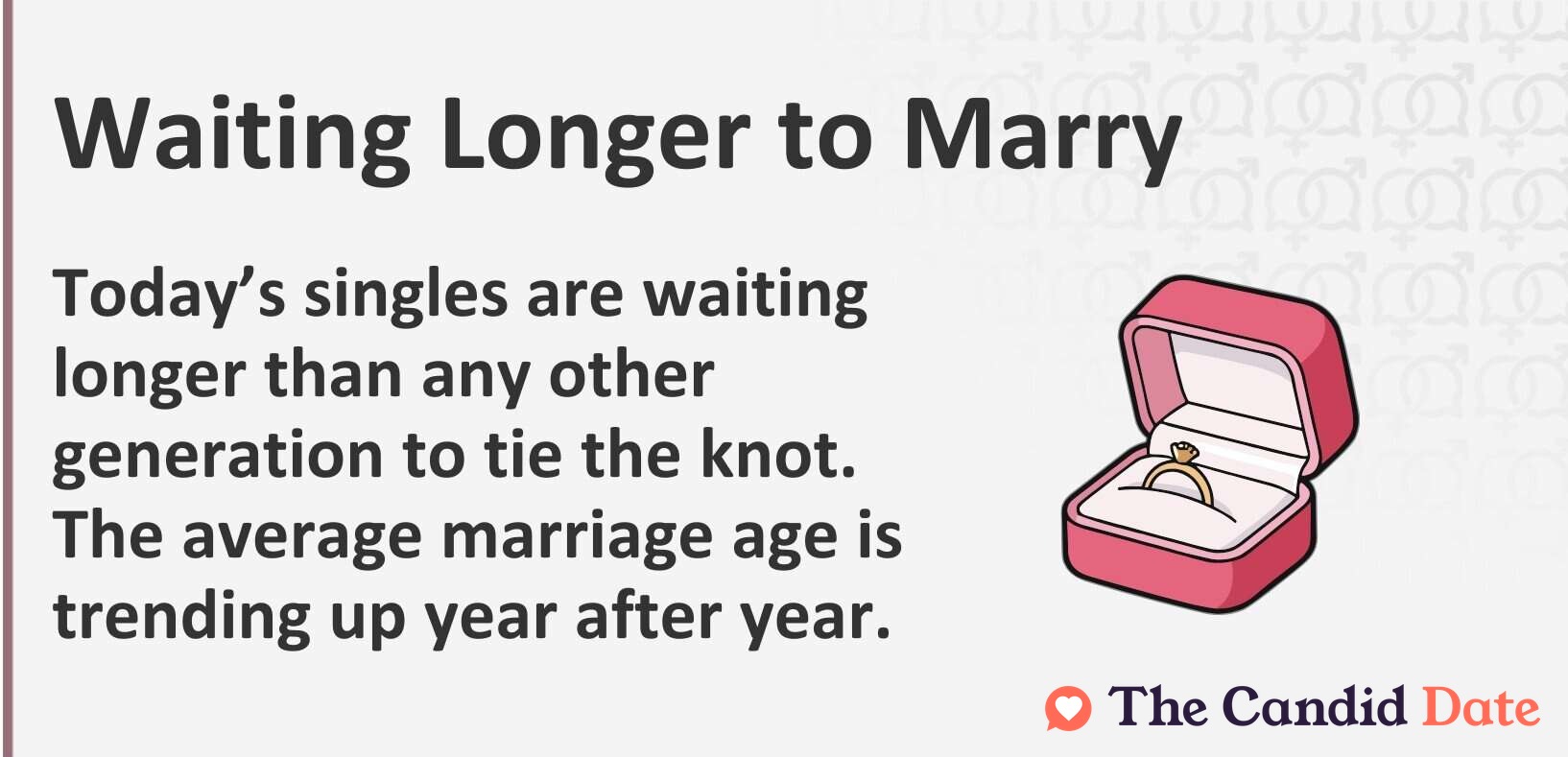
Many forces are pulling people away from marriage. Because women are financially independent, they don’t need marriage for a secure future, so they can afford to be pickier. Social pressure to marry has also eased somewhat.
Lots of people are skipping relationships entirely, either because they’d rather stay single or because they struggle to find a suitable partner.
Put simply, fewer adults see marriage as an institution worth entering.
2. Meanwhile, Cohabitation Rates Have More Than Doubled
Most couples who aren’t married still want the kind of life historically tied to marriage; they’re simply living it their own way.
As marriage has declined, cohabitation has soared, from 3.7% of individuals in 1996 to 9.1% in 20232. That 5.4% rise doesn’t fully account for fewer marriages, but it’s useful context.
Many of today’s cohabitating couples probably would have been married back in 1996, and quite a few may well marry in a few years.
Back in the 1990s, living together wasn’t nearly as accepted socially as it has become in the 2020s. Now couples view cohabitation as a legitimate relationship step, sometimes as a trial run for marriage and sometimes as an end in itself.
3. High School Grads Are the Likeliest to Cohabitate, at 10.1%
In general, people with less formal education are more likely to live together unmarried. One survey found that 10.1% of people who stopped at a high school diploma cohabitate, compared with 6.2% of those holding some kind of graduate degree3.
Class differences may explain part of this. Marriage is more common among people with more education and higher incomes. Age plays a role too, since many people pursue advanced degrees and then cohabitate and marry later.
I started living with my fiancé after finishing my bachelor’s degree, and I’ll complete my master’s program shortly after our wedding. So I’ll have cohabitated while in a lower education bracket than the one I’ll be in once I’m married.
4. 70% of Couples Live Together Before Marriage
Not everyone expects to marry the person they live with, but most couples consider cohabitation a necessary step before marriage.
The Institute for Family Studies reports that 70% of couples share a home before getting married4. Living together before marriage, once seen as fairly scandalous, is now broadly accepted as a sensible, obvious choice.
Timing matters. Some couples think it’s important to move in only once they’re engaged, while others would rather share a place while dating simply because it’s convenient.
And though couples who wait until after the wedding to move in are a shrinking minority, they’re out there. Plenty of traditional people feel strongly about living apart until they’ve exchanged vows.
5. As Many as 65% of Americans Think Living Together Before Marriage Is Smart
When my fiancé and I were about to move in together, I worried the older people in our lives would judge us. I can’t say what everyone thought, but nobody gave us a hard time.
In fact, according to IFS, 50-65% of Americans think living together before marriage sets a relationship up to succeed5.
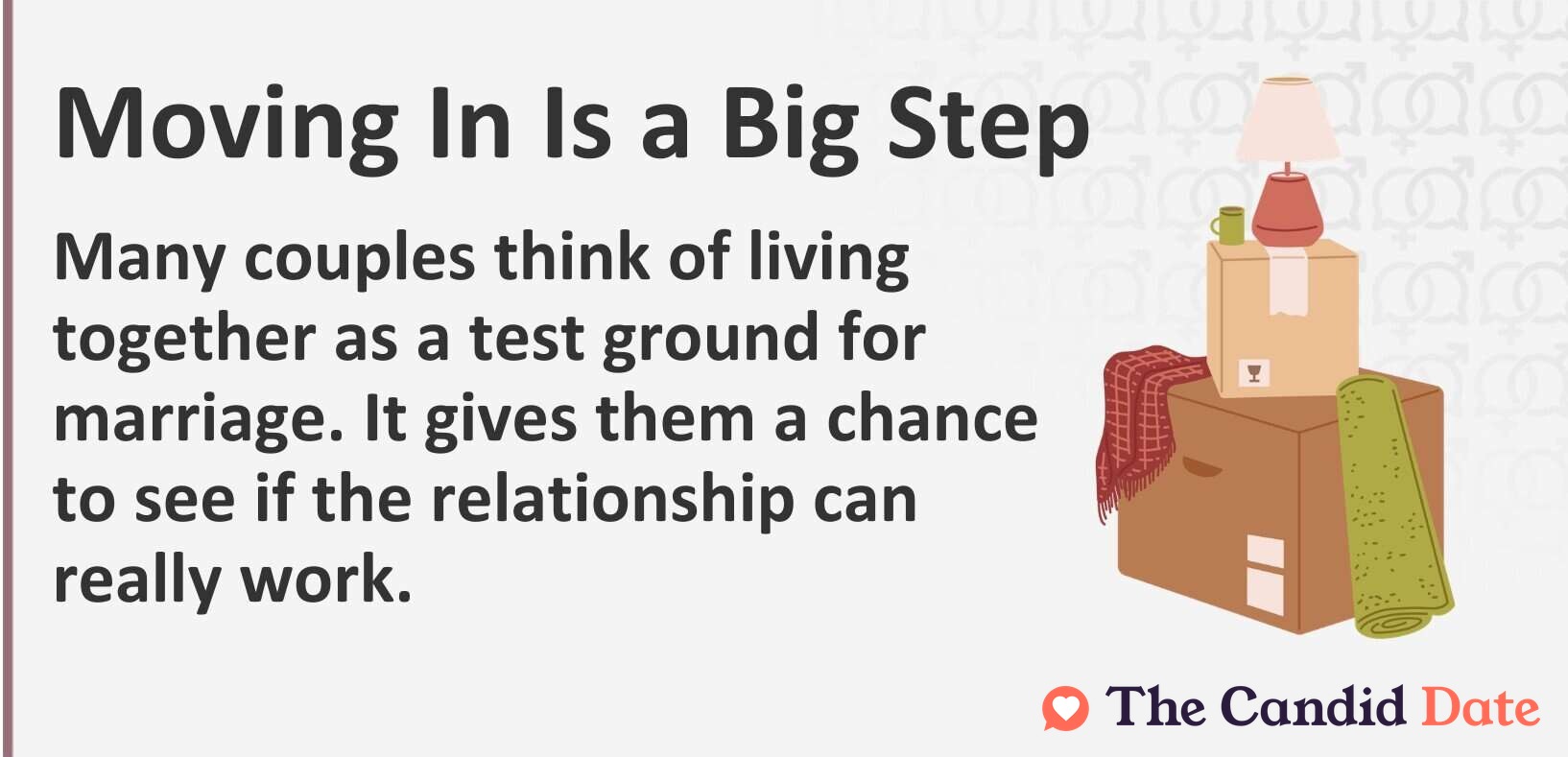
The upside of living together first is fairly obvious. A huge part of building a life with someone comes down to everyday habits and chores: cooking, cleaning, hobbies, bedtimes. Sharing a home gives you a pretty good idea of what life together will be like.
Anyone who has clashed with a roommate knows that sharing a space can make or break a relationship. Most couples would prefer to find that out before the marriage is official.
6. Moving In Before Engagement Came With 48% Higher Odds of Divorce
With all the upsides of cohabitation, it may be surprising that couples who lived together before getting engaged had a 48% higher chance of divorce than couples who waited6.
On its own, cohabitation appears to hurt relationship outcomes.
I want to put this number in context, though. People who cohabitate are probably less religious and less traditional than people who don’t, so divorce may not feel as off-limits to them as it does to couples who wait to move in.
Then again, cohabitation might spark conflict early in a relationship, whether about marriage itself or other issues better sorted out separately, creating cracks that weaken the marriage later.
7. 18.7% of Married Couples Who Lived Together First Have Raised the Idea of Divorce
When cohabitators marry, their marriages aren’t only likelier to end; they also tend to be rockier.
In one study, 18.7% of couples who had lived together before marrying said divorce had come up at some point. For married couples who hadn’t cohabitated beforehand, that figure was just 10.2%.7
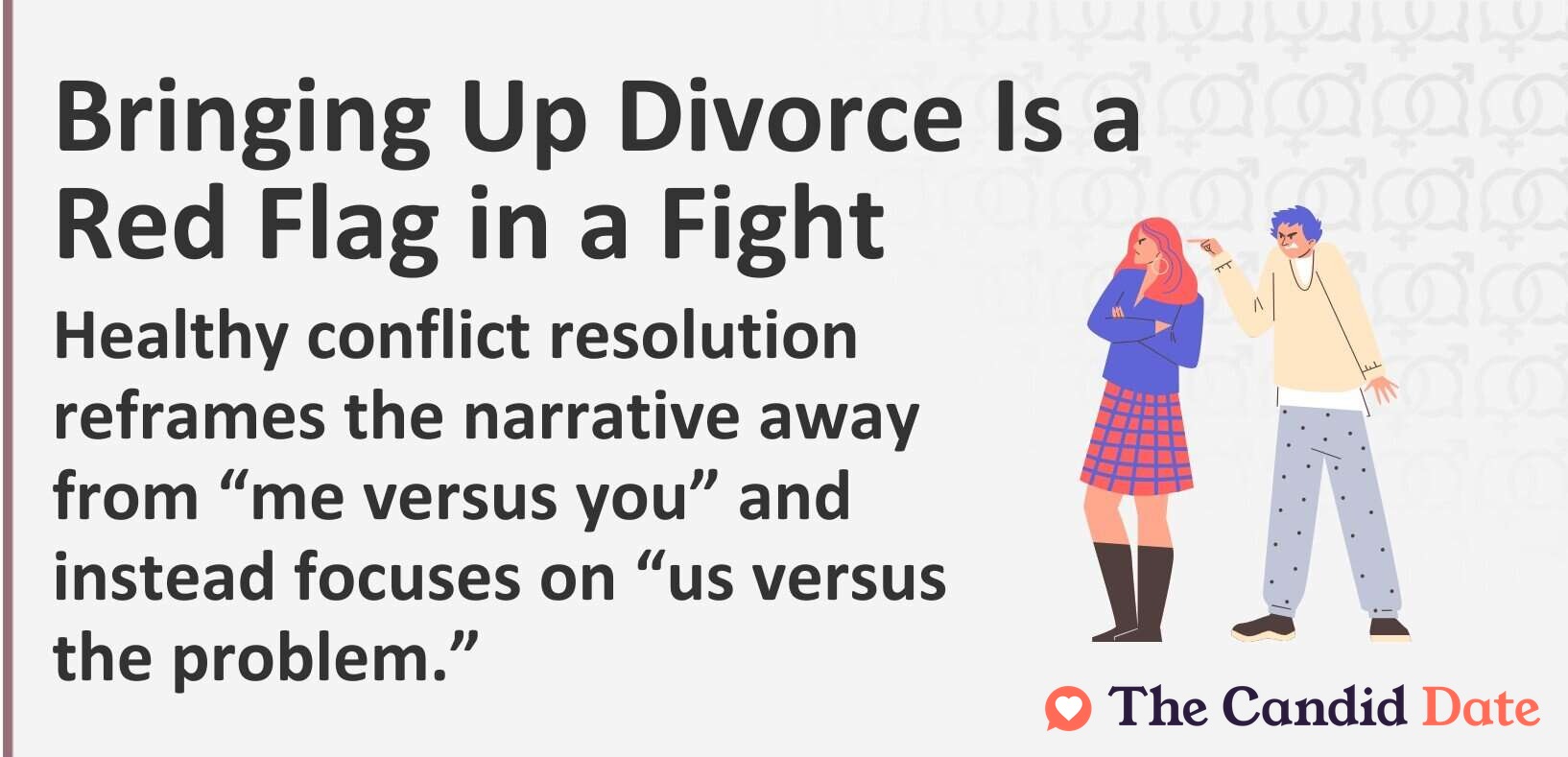
That supports my theory that couples who live together are more open to divorce to begin with. So they’d be likelier to bring it up than, say, a conservative Christian couple who views divorce as a sin.
It’s also possible that, on average, couples who delay commitment and move in together are messier and quicker to fight than couples who head straight into marriage.
8. Two-Thirds Say Unmarried Couples Living Together Is Always Acceptable
A huge majority of Americans have no problem with any unmarried couple sharing a home.
Pew Research Center data shows 69% of Americans are fine with unmarried adult partners sharing a home even if marriage isn’t in their plans, and another 16% approve as long as they do plan to marry8.
Living together unmarried was once viewed as promiscuous, but most Americans now recognize that moving in together is a very serious relationship step.
And since more than 90% of Americans have had premarital sex, objecting to cohabitation because it means more sex has largely gone out the window9. Aside from the devoutly religious, people assume adult couples are having sex whether or not they share a home.
9. Most (53%) Think Serious Couples Should Eventually Marry
Plenty of Americans are fine with couples living together without marrying, yet they’d also like those couples to marry someday. In Pew Research Center’s findings, 53% of Americans say society benefits when couples in long-term relationships tie the knot instead of simply living together indefinitely10.
Cohabitation has many of the perks of marriage, but most Americans feel the institution of marriage is superior.
Breaking a lease with an ex is easy; getting a casual divorce is not. As an institution, marriage is serious, and it pushes couples to put commitment front and center in their relationships.
Marriage also carries many legal protections, plus tax benefits, that are nothing to take lightly. There’s a reason people fight for the right to marry: being married carries real consequences and advantages for spouses.
10. Cohabitators Are 3X as Likely to Cite Money as the Reason They Moved In
Some cohabitating relationships are really about economic convenience. Cohabitators, at 38%, are three times as likely as married people to say finances drove that step in their relationship (13% of married individuals)11.
Moving in together for financial reasons is one possible explanation for why cohabitation is likelier to end in divorce and toxic relationships. Say one partner’s lease is ending and they’re thinking about finding a new place. They could save money by splitting rent with their partner, whose place they’re already staying at several nights a week.
That can seem like a no-brainer, but taking a relationship step because of outside factors can be a mistake. Before you know it, you’re marrying for tax reasons and staying with someone in a relationship built more on practicality than on love.
That doesn’t mean you can’t make housing choices that fit your finances, but money shouldn’t be the main driver.
11. For Half of College-Educated Cohabitators, Living Together Is a Step Toward Marriage
Cohabitation rates vary a lot by income level, and so does the mindset of the rich versus the poor. Roughly 50% of college-educated cohabitators consider living together a step toward marriage, well above the 28% among cohabitators whose education stopped at high school or earlier12.
For educated people, who already expect to marry, living together is a practical way to test whether marriage is workable.
Those with less education might not anticipate marriage at all, or financial pressure may be what pushes them to move in together.
12. Most (56%) Say Not Being Financially Ready Is Why They’re Putting Off Marriage
Marriage is more than a piece of paper; it’s loaded with expectations of how married life ought to look, and for lots of people who aren’t married, that picture often includes financial stability.
Fully 56% of cohabitators name their own lack of financial readiness as a reason they’re not engaged or married13. And 53% say their partner isn’t financially stable enough.

Sometimes being financially unprepared means serious debt or a bad credit score. In other cases, it just comes down to saving enough for a nice wedding.
For people already living together, the emotional pressure to marry fast may be weaker, which makes it easier to push back the wedding date over money worries.
13. Women Who Didn’t Live Together Before Marriage Marry at a Median Age of 26
Couples who live together marry on a different schedule from those who don’t move in first. According to Bowling Green State University, the median woman who hadn’t cohabitated before marriage married at 2614.
Among women who did live together first, the median age at marriage was 27.
In other words, the data shows non-cohabitators marrying a year sooner. That’s significant.
Those opposed to cohabitation may belong to cultures in which early marriage is the norm. They may also expect to marry and start a family on a tighter timeline.
And since fewer of their adult years are spent single, cohabitation may simply not come up in their relationships.
14. Only 6% of Older Millennials’ Cohabitations Reach 10+ Years
Cohabitation may feel a lot like marriage, but it differs in one big way: it isn’t permanent.
Living together can head in one of two directions: it becomes a marriage or it ends in a breakup. Cohabitations rarely go on indefinitely. Of adults born in the 1980s, just 6% of unmarried cohabitations last beyond the 10-year mark15.
Not lasting forever doesn’t make a cohabitation a failure. For couples who don’t want marriage, the lack of permanence may be part of what appeals to them.
They can stay with a partner for as long as the love lasts, then move on once it’s run its course. And if one partner hopes the other will come around on marriage, they probably won’t wait more than 10 years!
Still, it’s fair to say marriage brings with it an expected commitment, and couples who deliberately skip that probably won’t last.
No Single Formula Guarantees Relationship Success
No single relationship path suits everyone; it’s different for each couple. Married and cohabitating couples alike can have happy, fulfilling relationships.
In my view, the effort and expectations you bring into a relationship matter far more than the date you sign a joint lease.
If you’re moving in together, be sure love and commitment are the reasons, not just convenience. Treat it with the seriousness you’d bring to deciding whether to marry, even when marriage isn’t your goal.
Data Sources:
- https://budgetmodel.wharton.upenn.edu/p/2025-02-18-change-in-american-families-favoring-cohabitation-over-marriage/ ↩︎
- https://budgetmodel.wharton.upenn.edu/p/2025-02-18-change-in-american-families-favoring-cohabitation-over-marriage/ ↩︎
- https://budgetmodel.wharton.upenn.edu/p/2025-02-18-change-in-american-families-favoring-cohabitation-over-marriage/ ↩︎
- https://ifstudies.org/blog/cohabitation-is-popular-but-its-still-no-replacement-for-marriage ↩︎
- https://ifstudies.org/reports/whats-the-plan-cohabitation/2023/executive-summary ↩︎
- https://ifstudies.org/reports/whats-the-plan-cohabitation/2023/executive-summary ↩︎
- https://pmc.ncbi.nlm.nih.gov/articles/PMC5956907/#S9 ↩︎
- https://www.pewresearch.org/social-trends/2019/11/06/marriage-and-cohabitation-in-the-u-s/ ↩︎
- https://pmc.ncbi.nlm.nih.gov/articles/PMC10989935/ ↩︎
- https://www.pewresearch.org/social-trends/2019/11/06/marriage-and-cohabitation-in-the-u-s/ ↩︎
- https://www.pewresearch.org/social-trends/2019/11/06/marriage-and-cohabitation-in-the-u-s/ ↩︎
- https://www.pewresearch.org/social-trends/2019/11/06/marriage-and-cohabitation-in-the-u-s/ ↩︎
- https://www.pewresearch.org/social-trends/2019/11/06/marriage-and-cohabitation-in-the-u-s/ ↩︎
- https://www.bgsu.edu/ncfmr/resources/data/family-profiles/FP-25-25.html ↩︎
- https://ifstudies.org/blog/cohabitation-is-popular-but-its-still-no-replacement-for-marriage ↩︎
About the Author
By: Nora Adams
Staff Writer
Nora Adams is an experienced staff writer interviewing dating professionals and relationship experts for thecandiddate.com.
Share the Knowledge!
Our dating experts work hard to show you the best dating sites. Want to show your appreciation? Share this page!