Hookup Culture and How It Affects Singles



As a look at careers, friendship, and personality, the “Sex and the City” franchise packs a real punch (we're lifestyle journalists at The Candid Date, so naturally every one of us is a Carrie). Where it truly shines is its frank portrayal of how independent, successful women live their sex lives.
The four leads of “Sex and the City”, Carrie, Miranda, Samantha, and Charlotte, each relate to sex and dating in strikingly different ways. Charlotte is a romantic whose values lean traditional, while Samantha adores casual sex. Each of them finds a different degree of satisfaction with the sexual expectations society puts on them, and, most of the time, frustration.
Hookup culture refers to the growth of short-term relationships, mostly casual sex, in mainstream dating.
“Sex and the City” captures the tangled ways hookup culture can both empower singles and take power away from them.
Plenty of people see the rise of casual sex in black and white: it's either a victory for sexual empowerment or a blight on marriage and family values. As with most things, though, the truth probably lies somewhere in between. Hookup culture lets singles have fun on their own terms more easily, but it also puts the lasting love most of us secretly long for further out of reach.
Where Hookup Culture Came From
Hookup culture's roots go back to the 1920s, but most people think of it as a genuine product of the 1960s, one that took off in its present form in the late 2000s.
Each time a generation gains more freedom, hookup culture gets a fresh foothold. The 1920s brought the rise of cars and movie theaters; the 1960s, the sexual liberation movement plus the birth control pill; the 2000s, online dating and social media.
Cultural Influences
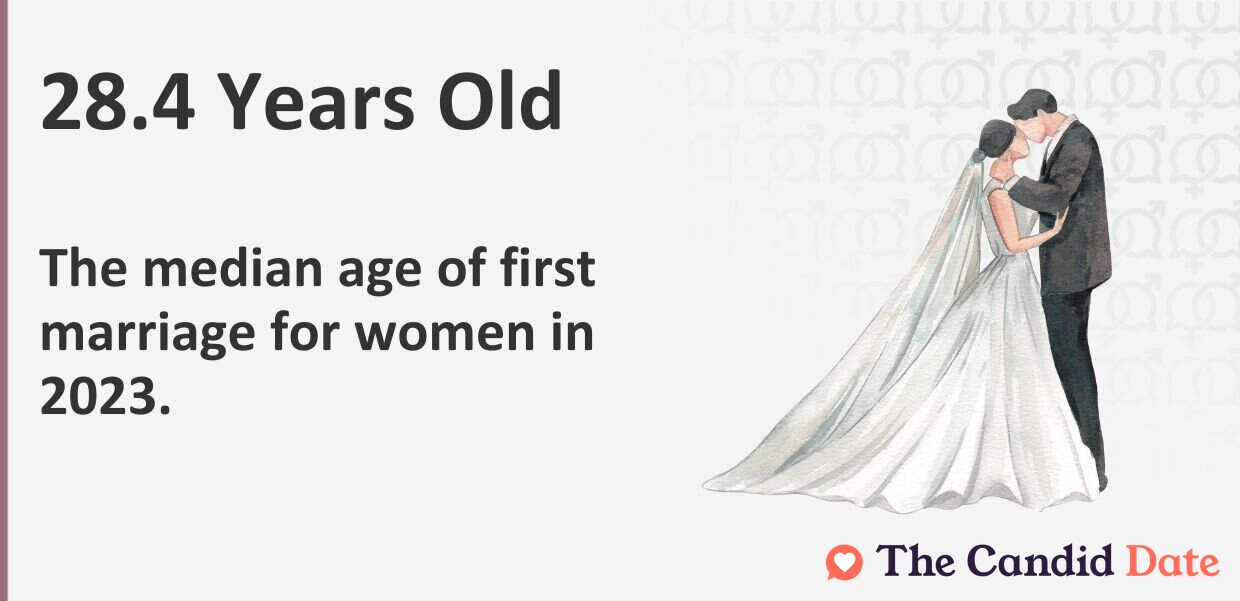
The median age at which women first married was 28.4 in 2023; back in 1956, it was 20.1. Since people now marry later in life, there's more time for independence, living solo, and, naturally, fun.
Most people expect to spend some years of early adulthood working out what they want from romantic and sexual relationships. Some spend that time going on dates; others party and hook up with no strings attached. Most do some of each.
And with online dating so readily available, it's never been simpler to find dates or sexual partners.
The Role of Technology
Thanks to apps like Tinder and Bumble, most singles have plenty of fish in the sea. Starting a casual sexual encounter, or dating someone without treating it too seriously, has never been easier. The next person is always just around the corner, after all (on Grindr, that can sometimes mean literally 100 feet away).
To many singles, dating apps cut both ways. They're so widespread that meeting partners regularly any other way has become close to impossible, yet they often make it hard to give any single date your full effort.
That's not a knock on online dating, which works for plenty of people. Profile tags frequently make it simple to tell whether you and a match line up on lifestyle and relationship goals.
Social Expectations & Peer Pressure
Young singles land in lots of settings that promote hookup culture, or at least an indifferent attitude toward committed relationships.
Anyone who's been to college knows casual sex is often assumed as a baseline, whether at parties or in friendships that turn sexual. Likewise, young professionals in cities often feel social pressure not to “look for anything too serious,” putting their careers first and treating sex and romance as a casual part of life.
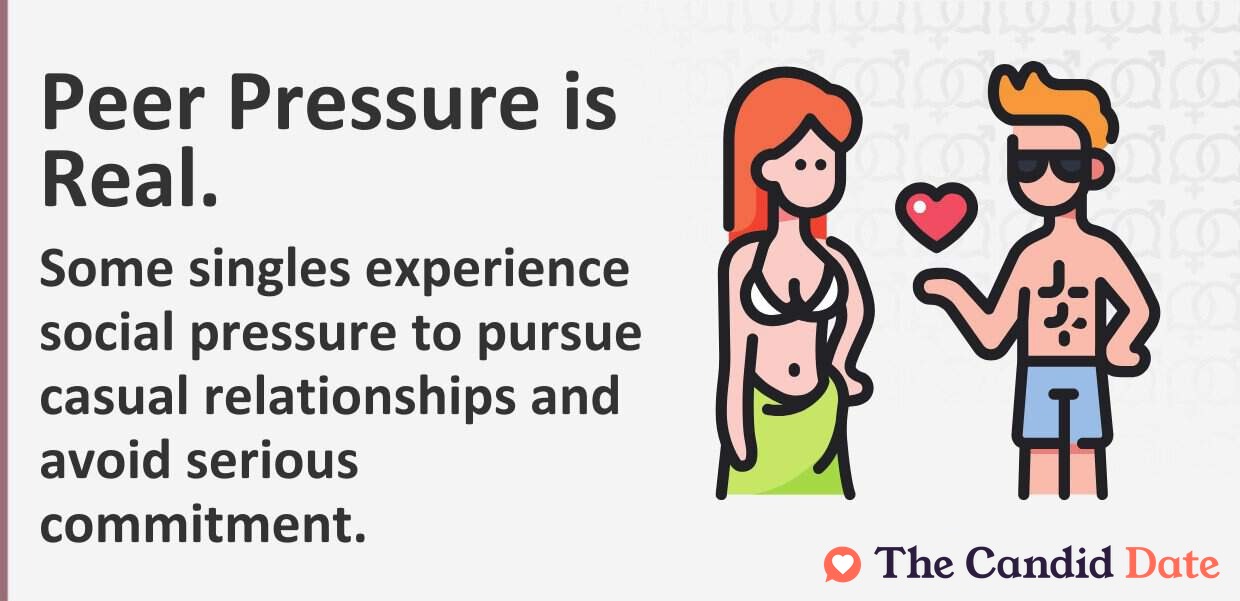
In these circles, wanting commitment can come off as naive, and for some women especially, as a sign of weakness or something at odds with career success.
The Upside of Hookup Culture
Being free to hook up with whoever you like is a big victory for personal freedom. Gay sex wasn't protected across the United States until 2003, with Lawrence v. Texas. Sexual freedom is an essential liberty for everyone and deserves to be treated that way.
Empowerment & Freedom
Some people, particularly women and queer people, view hookup culture as freeing because it lets them explore their sexuality openly. Many raised in purity culture learned to feel ashamed of sexuality, and deciding to let go of that shame can be a big part of feeling empowered.
Hookup culture can upend traditional gender roles within relationships. Women might feel bolder about taking the lead sexually, or, in Carrie Bradshaw's words, they can “enjoy sex like a man.” Queer people may enjoy decoupling sex from the way they present, or from any gender binary.
No Pressure
Long-term relationships take commitment, which isn't everyone's goal. Some people never want it. Others would rather concentrate on another part of life, such as work, friends, or travel, before they think about settling down.
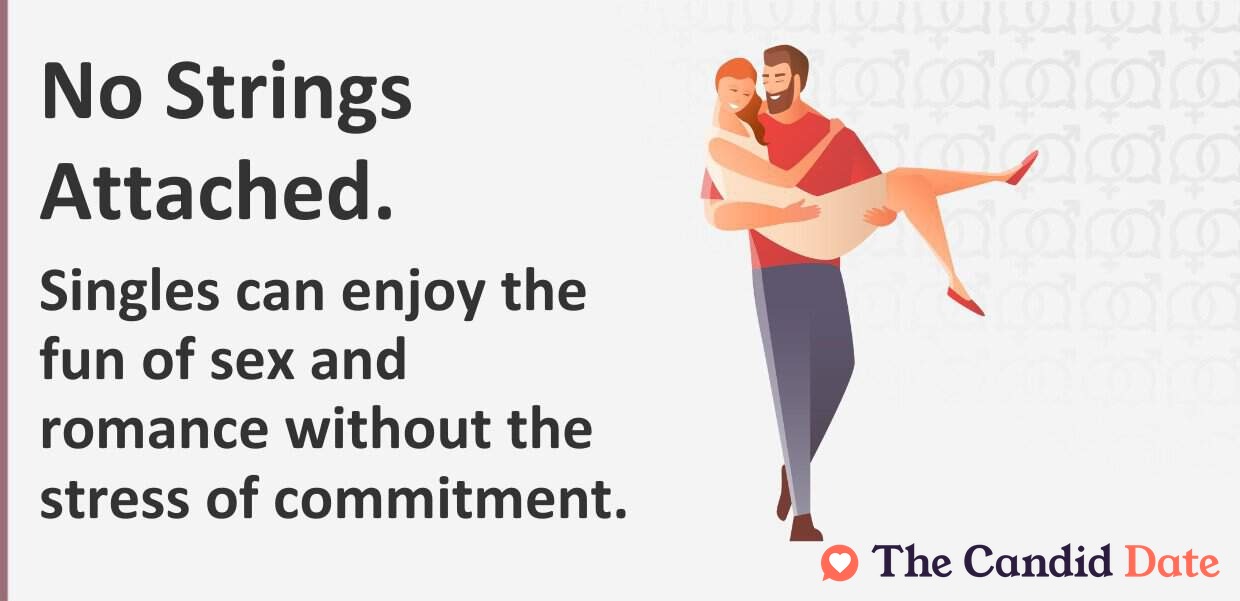
Hooking up lets singles enjoy relationships free from obligations or expectations about the long term.
That might mean sex and nothing more, or it might resemble real romance (dates, long conversations, sleepovers) minus the expectations. For some, it offers the human connection they want without pushing them into commitment.
Opportunity for Self-Exploration
Sometimes, finding the person you'll spend your life with means you never discover sides of yourself that someone else might have unlocked.
A friend of mine who's bisexual had a serious relationship going with a man. She ended it because she knew she'd feel unfulfilled if she never got to be with a woman. These days she mostly dates women, and she'd never have discovered that side of herself had she stayed.
Hookups can give people room to understand their emotional needs, preferences, and desires more clearly.
How Hookup Culture Hurts Singles
Hooking up can be fun for some, but it's not for everybody (full disclosure: it's not for me). Keeping things casual may mean you're always open to new faces and experiences, yet those experiences can be short on stability and romantic support. Even worse, the expectations baked into hookup culture can make it tough to request the things you need and deserve.
Emotional Fallout
The most obvious downside of hookup culture may be the chance of getting hurt emotionally and ending up heartbroken. Once casual sex becomes routine, you might start to feel emotionally detached and struggle to build a long-term relationship when you do want one. Commitment can turn frightening, and once things turn serious, you might bolt.
Sex without connection can also feel hollow. Some might chalk that up to leftover purity culture inside us, but that doesn't change what we actually feel. Lots of people experience loneliness, emptiness, or regret after a hookup. I was never much into hooking up, and the handful of casual encounters I had in college mostly made me feel empty and cut off from myself.
Ghosting & Miscommunication
By definition, hookup culture produces casual relationships, which can leave us unclear about what we owe one another. Ghosting turns into the norm, and relationships frequently end with no closure. Even when things were casual, that can still sting.
Pressure to Conform
Plenty of people, particularly in urban and college circles, feel socially pressured into casual relationships. Women often think they have to be the “Cool Girl” and tolerate noncommittal relationships that run counter to their emotional needs.
Hookup culture gets praised for empowering women, but because it's a culture, it also puts a new pressure on them: going after relationships while pretending to share the values of their mostly male partners.
Bad Mental Health
Whether you hook up or date seriously, how you interact with the people you date and sleep with can hugely shape your self-image. Casual encounters may leave you vulnerable around near strangers who haven't shown they're trustworthy or that they care about you the way a serious partner would.
Every extra person you're involved with means more chances for drama. My partner and I have been together four years, and I never waste time doubting our relationship or his feelings for me. Back when I dated casually, my relationships occupied a lot of mental space, and much of it was negative.
Changing Perceptions on Intimacy
Dating with a long-term relationship in mind means seeking love, commitment, and emotional connection. Hookups can include some romance, but it will always be more fleeting and shallow. That's enjoyable for a while, yet it can also drain the possibility of deep romantic love from your life.
What's Next: Can Hookup Culture Last?
Hookup culture may not look the way it did 30 years ago, but casual sex has been around for a long time. Even so, what hookup culture looks like, and how mainstream it is, will probably keep shifting.
Long-Term Effects
Despite the US government's challenges to women's reproductive freedom, the notion that singles have a right to hook up isn't going anywhere. Still, more young singles are recognizing that sex without connection might not be what's best for them personally.
Those who do want casual relationships often want some romance in them, and many still want commitment.
Apps such as Feeld celebrate relationships that put connection ahead of any fixed relationship structure, and more and more young singles are letting their relationships exist outside the old either-or of long-term and monogamous versus short-term and open.
Younger Generations Want More
Young people are starting to turn their romantic attention away from casual flings and toward long-term relationships. According to Hinge's research, since the pandemic, many people have reset their romantic priorities to favor love over casual sex. That tracks, since members of Gen Z are having less sex than every other generation.
The Role of Communication & Boundaries
As hookup culture has spread, many people have worked to approach it respectfully and kindly. Talking openly about intentions and desires can soften its downsides, so plenty of singles try to spell out exactly what they want from a relationship from the start.
That said, bringing mental health speak into dating culture isn't always a good thing, and in the wrong hands, words like “boundaries” can be used to dodge accountability or avoid compromise. When you reach for these terms, be sure you're acting in good faith and not simply using them to moralize at your partner.
Tips for Handling Hookup Culture
Want to hook up? Go for it! Just don't do it blindly. Here are a few pro tips.
1. Set Boundaries & Manage Expectations
Whether you want something casual or something serious, work out what you really want and tell your partners.
If you know that lots of time together will muddle your emotions, set boundaries. If you can see they're catching feelings, don't lead them on.
2. Communicate Openly With Partners
Being honest and transparent can head off confusion and hurt feelings. Don't pretend to want more than you do, or less. And never fib about your wishes just so your partner feels better for now.
3. Protect Your Emotional Well-Being
Keep checking in on the emotional effect your hookups are having. If the casual sex is wearing you down, ease off; keeping things casual is supposed to make relationships easier, not harder!
4. Do What Works for You & Forget the Noise
Find the balance that suits you between having fun with casual encounters and looking for meaningful connections.
If you discover that one relationship structure suits you better than the rest, go after it rather than fretting about what others want for you.
Hookup Culture Keeps Changing
New technology and shifting cultural norms will surely keep reshaping hookup culture over time. Every generation learns from the one before it and forms its own values and beliefs about sex and relationships.
Whatever relationship structure is fashionable now or down the road, do your best to seek relationships that fit your own values.
That might mean marriage and monogamy, open relationships, casual sex, or something in between. All that counts is you and your partners feeling happy and respected.
About the Author
By: Nora Adams
Staff Writer
Nora Adams is an experienced staff writer interviewing dating professionals and relationship experts for thecandiddate.com.
Share the Knowledge!
Our dating experts work hard to show you the best dating sites. Want to show your appreciation? Share this page!