How Learned Helplessness Can Undermine Attraction


Ah, sweet love! How pure. How innocent. In everything from romance novels to rom-coms, love comes across as a cure for whatever ails you.
At times, I wish love really were about finding pleasure and happiness. Unfortunately, it tends to be more about seeking out what feels familiar.
Depending on how a person grew up, that familiar sense of love might come laced with pleasure, or it might be tangled up with a great deal of pain.
The Science of Feeling Powerless
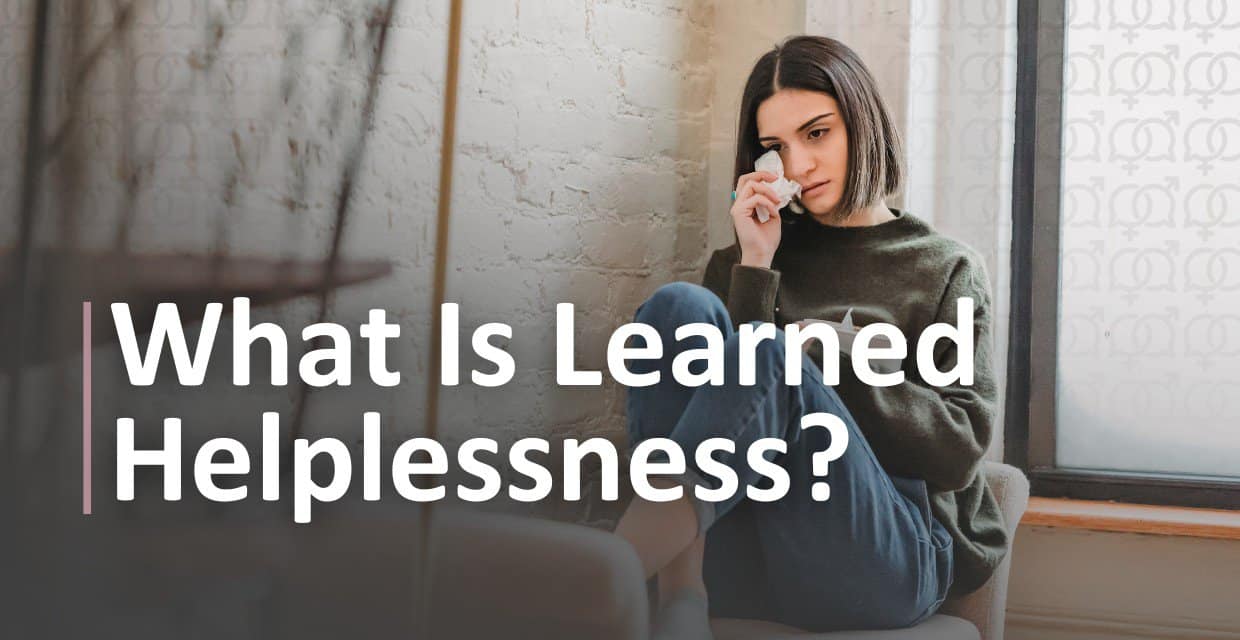
Psychology has a concept, first described in the 1960s, known as “learned helplessness.” It was originally observed in abused animals. Later on, even when they had a chance to get free, they never escaped.
Years afterward, researchers found that children could somehow learn to be helpless too, whether through trauma or through their parents’ permissive love.
Adults with “learned helplessness” believe escape or self-improvement is pointless.
Those caught in the trap of “learned helplessness” are usually passive and don’t try to make their situation better. Many are convinced they can’t succeed or change, and they’re often deeply pessimistic, always expecting the worst.
It’s no surprise that lots of people dealing with “learned helplessness” struggle with depression as well.
Codependency Isn’t Healthy
So how does this show up in romantic relationships? Two personality types are most often drawn to partners with “learned helplessness,” and here’s what they look like.
The first can look harmless at first glance, since this person is so kind and helpful. It’s the caretaker partner, the one who needs to rescue someone else in order to feel validated.
They might even have a diagnosable condition known as “dependent personality disorder,” or, less obviously, they may simply feel a strong urge to save, fix, or heal someone.
Sounds like the perfect pairing, right?
One partner needs looking after. The other draws self-esteem from providing that care.
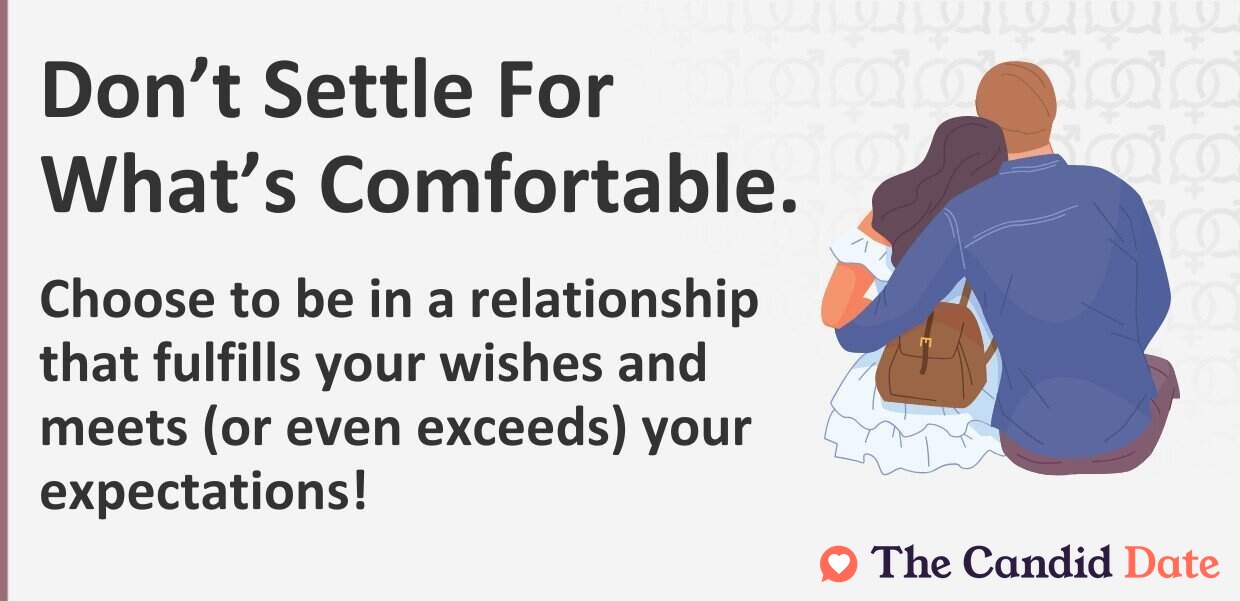
Early on, it may feel like true love, the perfect match. Over time, though, it can turn into a toxic, codependent situation in which no one can tell whose problem is whose anymore, and neither person’s own identity gets room to grow.
In reality, each of them may be replaying unresolved traumas from their own early parent-child relationships.
Sooner or later, a relationship like this can drain both people emotionally and breed resentment.
Narcissists Target Unresolved Trauma
The second type a person with “learned helplessness” may draw in is the narcissistic manipulator.
Keep in mind that someone with “learned helplessness” questions whether they can survive without another person. Frequently, they don’t trust what they feel.
For a narcissistic manipulator hungry for power, control, and domination, that’s prime human hunting ground.
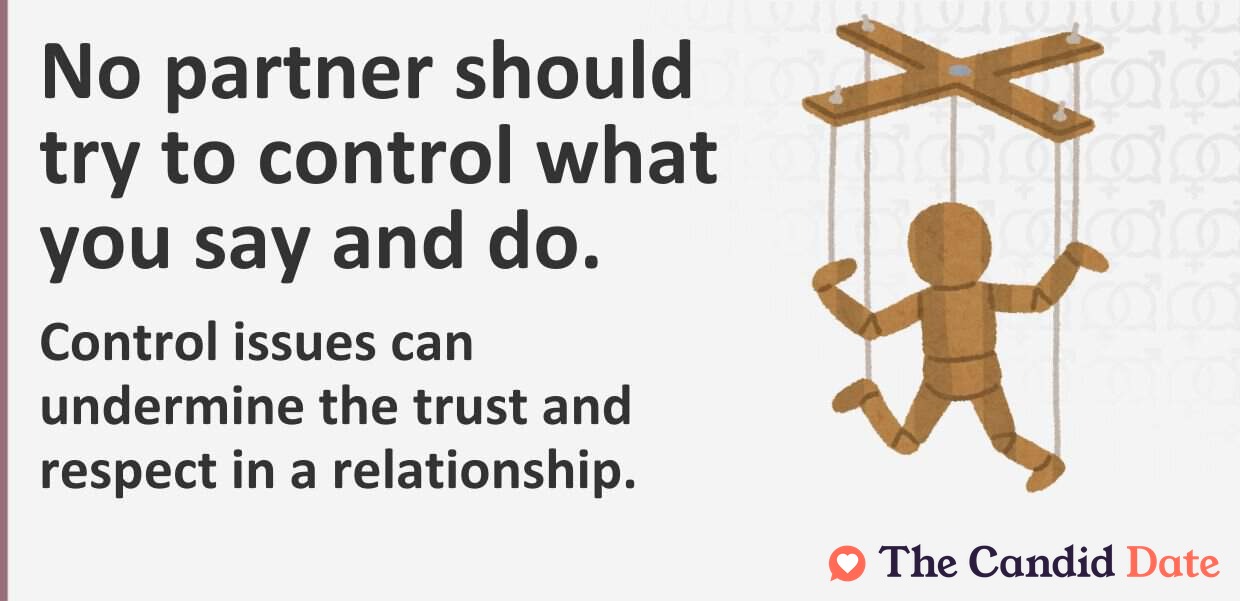
Partners like this can be dangerous. They may use criticism to wear down their partner’s self-esteem even more. They may gaslight someone who already has trouble trusting what they feel. Affection may also be withheld as a manipulation tactic.
The helpless partner can get caught in a cycle of low self-esteem and depression that eventually ends in a lost sense of identity.
Worst of all, they’ve been conditioned by their partner to think there’s nothing better out there for them, which leaves them feeling trapped.
Therapy Can Help Daters Take Back Their Power
What’s the answer, then? For starters, anyone in deep emotional pain, in any kind of relationship, should get help right away from a licensed therapist. (Feel free to ask what license they hold and what type of therapy they practice!)
If you feel like you’re “walking on eggshells” in your relationship, or confusion outweighs happiness as your main emotion, you’ll have plenty to discuss in therapy.
Real love doesn’t confuse you.
Real love makes you feel safe, secure, and able to trust. If you suspect you may have some traits of “learned helplessness,” then a licensed therapist can help you make major, lasting personality changes and, in the end, set you free.
About the Author
By: Kenji Takahashi
Women's Dating Expert
Kenji Takahashi is a Women's Dating Expert at thecandiddate.com, writing women's dating guides.
Share the Knowledge!
Our dating experts work hard to show you the best dating sites. Want to show your appreciation? Share this page!