
Dating Coaches: What They Do and Whether You Need One




Dating coaches are professionals who help you spot what’s working and what isn’t in your dating life. They offer the encouragement and perspective you need to get unstuck and start seeing results.
The phrase dating coach may conjure up smooth-talking, smarmy characters. In the movie Crazy, Stupid, Love, the womanizer played by Ryan Gosling leads a hopeless Steve Carell into a string of makeovers meant to ease him back into the dating scene.
Cue new outfits, flirting lessons, and even a few scenes where the two play wingman for each other.
Real dating coaches look very little like the Hollywood version. Their job is to help singles handle the challenges of modern dating culture, both on the apps and face to face.
A coach is different from a matchmaker or a paid app. Coaches want to stand beside you, giving you the support to grow your confidence and form real relationships.
If you want guidance while you explore the dating world, a good coach can help with anything from getting ready for a first date to conflict resolution.
What Makes a Dating Coach Good
Choose your dating coach carefully. Having been in relationships doesn’t, on its own, make someone qualified to advise you. A coach’s education, work history, and overall philosophy of dating all have a big effect on how good the help you get will be.
Qualifications and Background
A lot of dating coaches studied psychology, sociology, or a related academic field. Take dating expert Samantha Burns: she has a bachelor’s and a master’s in counseling psychology, concentrating in couples therapy.
With her clinical training and skills, she may suit clients who want to put their trust in someone with a deep grasp of the science of human desire and the interactions that spark romance.
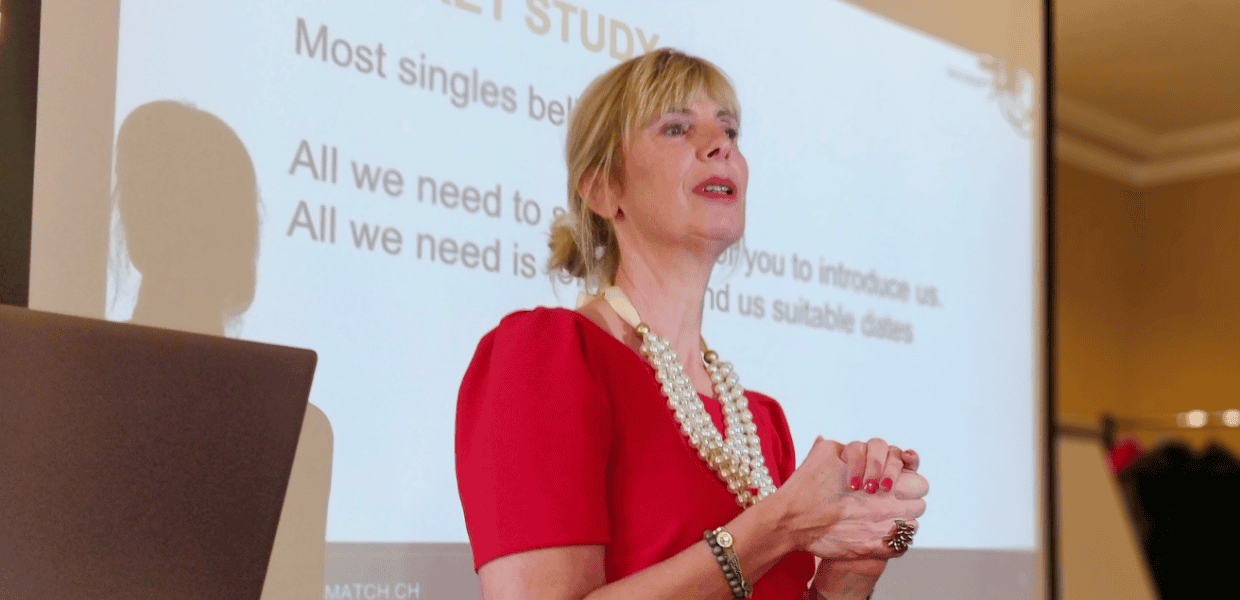
You don’t need formal accreditation to work as a dating coach, but you may feel more at ease with dating experts who’ve worked professionally as therapists, counselors, or social workers.
Client work in those professions puts coaches in contact with all sorts of personalities and readies them to support people through dating’s rough patches.
Another option is a coach certified specifically in relationship coaching. Many programs offer specialized training for would-be coaches, and graduates may concentrate on singles, on couples, or on one demographic group.
The Relationship Coaching Institute requires courses on topics ranging from sexual relationships to dating ethics. Its programs let coaches practice with real clients before they take on clients of their own.
Personalized Help
It’s no surprise that so many therapists and counselors do well in the dating and relationship field. A dating coach offers much more than pickup lines.
Like therapists, coaches help people understand themselves better, communicate with more confidence, and sharpen their interpersonal skills.
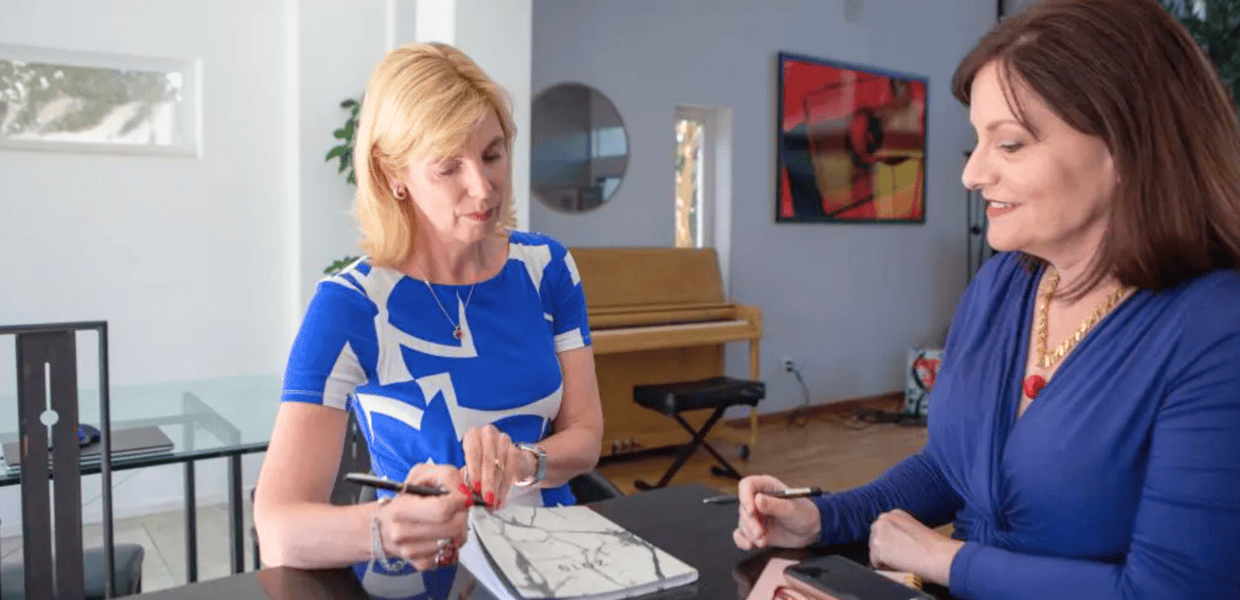
How often has someone told you that good communication is the secret to a solid relationship?
Coaches give you the perspective to handle the daily highs and lows of getting to know a person and keeping a relationship on track.
Whether your issue is anxiety or a habit of picking the wrong people, a dating coach will tailor their advice to where you are and help you refine your approach.
One client might become more relaxed in social situations and learn to start conversations easily. Another might pick up grounding techniques for handling conflict with others, or work on creating more intimacy in the bedroom. The room for growth is huge.
Delivering Advice With Empathy
Sex, relationships, and dating are touchy topics. A coach who insults or talks down to clients to make a point won’t make the process any easier, and bad coaching can leave you feeling uncomfortable. You don’t want to put your energy, money, and time into a coach like that.

A good coach talks with empathy and accepts that because everyone’s background and outlook on dating are different, you won’t always see eye to eye.
Kindness tends to build the trust and closeness that lasting change depends on. And if you can’t let your guard down with your dating coach, I’d guess it’s tougher still to open up to a partner!
Areas of Focus
Many coaches have particular specialties. Some concentrate on online dating skills, and others serve as wingmen to sharpen how a client approaches people IRL.
Certain coaches work on style and physical appearance, while others put more weight on self-growth and inner work.
Every approach has its own value, and having such a wide range of perspectives and resources to pick from is a big help when you need support.
Relationship Dynamics
Knowing yourself matters before you commit to a serious relationship. A coach can ask probing questions that get to the heart of what you need emotionally and what you hope for in a relationship.

After a session, you should leave with a sharper picture of your wants, how you react to the good and bad moments in a relationship, which love languages you need, and the ways your history may shape how you show up for a partner.
Think you could manage this on your own? Keep in mind that an expert has the experience to catch what you can’t see and push you harder!
You may believe you’ve already figured out what makes you tick, but a coach tries to smooth out the kinks you’ve probably overlooked, so nothing blindsides you on a date.
Conflict Resolution
Handling conflict is the hardest part of any relationship. No coach can erase every future argument, but they can equip you to express yourself calmly and clearly when the next one comes.

In sessions focused on resolving conflict, you might act out practice arguments with your coach. You get to react the way you usually would, then look back at what worked and what didn’t.
In a New York Times feature, Elizabeth Earnshaw, a relationship coach who is also a licensed marriage and family therapist, named some of her go-to techniques for resolving conflict: putting feelings into words, stepping away from a conversation for a bit, and using “I” statements that keep the focus on how you feel rather than going on the attack.
If you keep having the same argument over and over, a handful of practice fights with a coach can show what has to change. With your coach guiding you, you can adjust how you act and respond, laying the groundwork for healthier habits going forward.
Online Dating Strategies
Unhappy with your matches? Feel invisible on Hinge? A coach can help fine-tune your profile and give you the blunt feedback on your photos and bio that your best friends won’t.

Maybe you need more pictures that show off your interests and hobbies and fewer selfies. Maybe the corny jokes in your bio have to go. A coach can say so and recommend fixes that are proven and practical.
Some coaches even take the reins on a client’s dating profile, doing the swiping and handling the first stage of messaging.
Giving someone access to your messages may sound nerve-racking, but what you write on the apps can make or break the whole experience. A coach can review your last few conversations and suggest ways to improve your chat game.
With 3 in 10 American adults on dating apps, wading through the never-ending options can feel overwhelming, but your coach can help you tune out the noise.
Date Preparation and Etiquette
The most dreaded part of a date isn’t at the restaurant; it’s the hours before, when you pace your bedroom trying to decide what to wear. First impressions count, and if style has never come naturally to you, a coach can act as a trusted advisor with honest wardrobe advice and grooming tips.
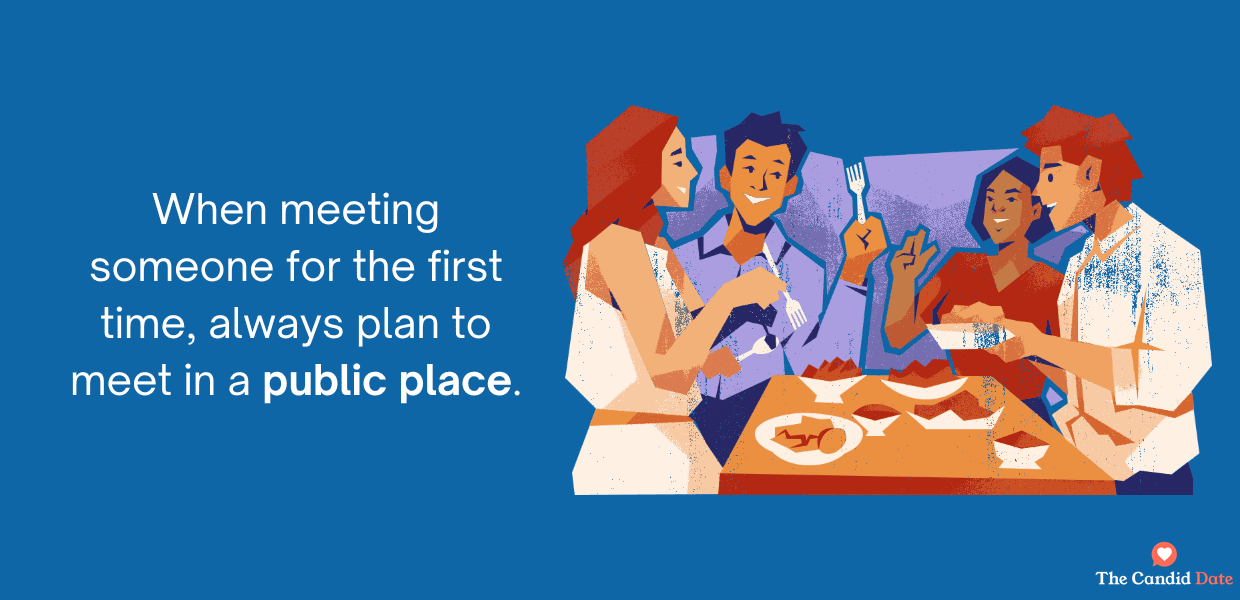
Style resources from relationship expert Blaine Anderson advise keeping things simple while still showing you tried. And once the outfit’s settled, there’s still the awkward small talk to get through.
Your coach can go over which topics are fine and which to avoid (your exes or insecurities, say), and you can even rehearse introductions and conversation openers together.
Etiquette gets hard to read when you move from online chats to in-person meetups, but you can rehearse situations with your coach, from holding the door to handling the check.
How Coaches Work
Role-playing does a great job of recreating the frequently stressful atmosphere of a date, but good coaches have other methods too. You could end up at a bar with your coach, or doing dating “homework.”
Mock Dates (Role-Playing)
Any situation can be role-played, whether it’s first dates, third dates, “defining the relationship” talks, or arguments deep into a relationship. The point is to find your strengths and the areas to work on in a safe setting where nobody gets hurt.

One California-based dating coach service presents mock dates as a chance to get honest feedback on your appearance, body language, flirting, conversation, and ability to build intimacy.
Once the mock date wraps up, you’ll debrief, and your coach can follow up with encouragement, exercises to build skills, and more role-play so you keep improving. The more practice scenarios you go through, the more confident you’ll get.
Practicing in the Field
When your coach thinks you’re ready to go from practice runs to the real world, you can begin putting your new skills to use out in the wild.
That might mean going to a club or bar to try your techniques in a natural setting. No need to panic: your coach will be right there with you to make it less intimidating.
Your coach might step up as your wingman and vouch for you, which takes some of the pressure of approaching people off your shoulders. You get to observe and learn while your confidence grows.
Your first outing, or even your first several, may feel a bit stressful. That’s just part of getting you ready to fly solo. Your coach will be there for emotional support, with detailed, tailored feedback and chances to polish your approach.
Setting Goals & Tracking Progress
Certain coaches assign homework (relax, it’s the fun kind). Together you can decide how to measure your growth as a client and adjust along the way. Setting goals at the outset matters, because that’s how you’ll track your progress.
The best coaches set concrete, actionable goals and make sure each week or month includes a step toward improvement. Your goal might be getting better at approaching strangers and starting conversations out in public.

If so, the two of you might map out a plan where you strike up a chat with one new person during week one, two the week after that, and more from there, until it feels less like a chore and more like a habit.
Goals you can measure are great, as long as they stay realistic. You might aim to approach five people in public, for example, but don’t tack on a requirement that all five turn into first dates.
Small steps work best. When you’ve settled on your goals, write them down somewhere both you and your coach can check later.
Over time, you and your coach will tweak your strategies according to how your goal-focused efforts turn out. A few sessions in, you can review how far you’ve come on each goal and feel proud!
Your Love Life Could Change With a Coach’s Help
The idea of a coach pushing you to confront your fears can feel intimidating, but who knows who’s waiting on the other side! With a coach’s help, you can become a more self-assured, confident date and a better partner.
Plenty of coaches, each with their own specialties, certifications, and expertise, are eager to meet you and back you along the way. Ready to try something different in your love life? Browse our directory of dating coaches today.
About the Author
By: Evelyn Garcia
Men's Dating Expert
Evelyn Garcia is a dating and relationship expert helping men build confidence and lasting connections on thecandiddate.com.
Share the Knowledge!
Our dating experts work hard to show you the best dating sites. Want to show your appreciation? Share this page!