Future Faking Explained: Signs You’re Dating a Future Faker




Key Takeaways
Reddit’s algorithms lately steered me to a subreddit named Waiting to Wed, likely because I hang out in subreddits where people post about relationship problems and look for advice. (Honestly? Loving other people’s drama is a big part of why I became a dating writer.)
Waiting to Wed is full of page after page of posts from people, mostly women, asking why their partner still hasn’t proposed. And in the replies from people who’ve lived through it, one term keeps popping up: “future faker.”
It has no official definition, but I’d call a future faker someone who makes all the right noises about building a future together…then switches direction once it’s time to really work toward it.
They waste your time in the worst possible way, because they convince you a happily-ever-after is on its way when it never will be.
What Is a Future Faker? Big Promises, Zero Follow-Through
Perhaps your partner tells you something like, “I’m so excited to move in with you, I can’t wait until we can fall asleep together every night and cook dinner together and decorate a place that feels like ours.”
Yet once you actually start forwarding apartment listings, or ask about their budget or which neighborhoods they’d like to see, they shut down, wave you off, or flip it around so you feel like you were wrong to ask.
A future faker talks about wanting commitment but never acts to move the relationship forward.
Or a partner might tell you they’re dying to marry you. Then, when you raise a timeline for an engagement or book an appointment to look at rings, they start slowing things down or moving the goalposts. Suddenly there are reasons, such as not being able to consider marriage until they’ve bought a house or hit 40.
Future Fakers vs. Partners Who Move More Slowly
Here’s the good news: you could be dealing with a pace discrepancy instead of a partner who’s future faking.
Last year I read a post on the blog of Dr. Alexandra Solomon, who hosts the Reimagining Love podcast, and it really stayed with me. Its subject was “pace discrepancies,” in which one partner is ready to move the relationship forward (the faster-paced partner) while the other one isn’t quite ready (the slower-paced partner).

A licensed clinical psychologist, Dr. Alexandra once taught at Northwestern University.
For this story, I asked her why someone would say they want a future together and then hit the brakes. Does that always mean dishonest future faking? Not necessarily.
“The process of talking about creating a more interconnected life or interdependent life can activate deep old wounds that likely come from a family of origin,” she explains. “They can create inside a person this fear of ‘if we get too close, you’ll leave me, I’ll disappoint you, I’ll lose myself.’”
Daydreaming is easy, she points out, but things get real once you’re browsing apartment listings or engagement rings.
“That can create fear or trepidation inside of both people. But the slower-paced partner, they may layer onto that feeling a story that says ‘my fear or nervousness must mean this decision is wrong’ versus ‘I’m a little nervous because this is big.’”
5 Signs You’re Dating a Future Faker
Future fakers and slower-paced partners can look very similar, and they may even use some of the same lines. So how can you tell whether someone never wants to marry, just doesn’t want to marry right now, or doesn’t want to marry you?
When I put the question to Solomon, she said a key sign is the way a partner talks about commitment overall.
1. Future Fakers May Talk Negatively About Friends’ Relationships
When other people hit relationship milestones such as moving in together or getting engaged, do they sound upbeat and hopeful about it? Or do they knock marriage (think Chandler in “Friends” before his proposal), or refer to married friends as “ball and chain” or “whipped”?
2. They Have Dreams of a Future Where You Don’t Fit
A future faker might describe a dreamy future in which the two of you are together and happy. How realistic is that picture, though? Consider how practical their ambitions are and whether you actually fit into them.
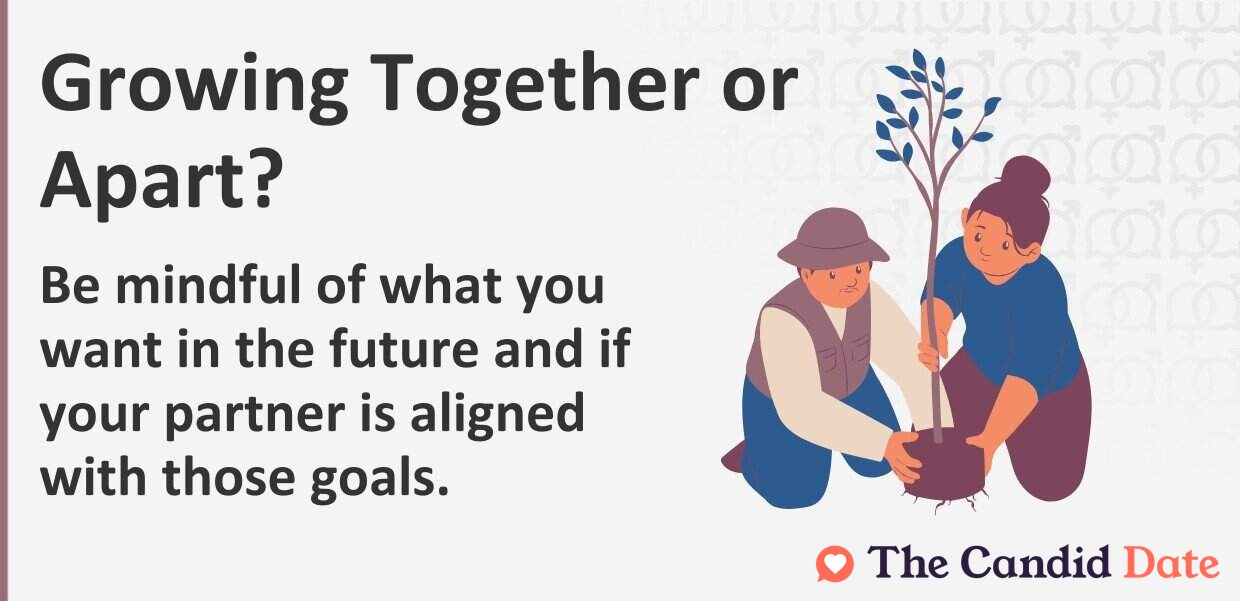
Are you in their plans? When they talk about their next job move or a city they’d like to live in, do you feel included in that vision?
3. There Is a Disconnect With You
According to Solomon, watch how invested they appear. She named some specific signs that a partner has checked out:
“The person across the board is pretty disengaged with you: they’re not talking about how much they like you, they’re not talking about plans to go to dinner together on Friday, they’re not reminiscing fondly about the past you have together, they aren’t able to have difficult conversations.”
4. They’re Using Promises to Control You
Relationship coach Susan Trotter, Ph.D. also highlights a few ways a future faker differs from a person who’s just anxious about a big step.
“They’re using promises about the future as a way to keep a partner hooked.” — Susan Trotter, Ph.D.
“The future faker is more often being intentionally manipulative and deceitful, focused on power and control and how someone can meet their needs in the present. They’re using promises about the future as a way to keep a partner hooked in,” she says.
5. Future Fakers Don’t Want to Address Issues
Someone who isn’t being manipulative but has trouble planning for the future tends to want to work on it, according to Trotter. “They might experience distress about it because it’s interfering with the relationship. A future faker is more likely to get upset that their partner is confronting them, rather than concerned with the impact of their behavior on their partner.”
Long story short: If they’re mostly disengaged from you, talk down about other people’s committed relationships, and get annoyed whenever you mention taking the next step, they’re likely future faking.
How to Handle a Future Faker
It hurts terribly to believe your relationship is progressing and then have the rug yanked away. I’ve been through it, and I felt deeply embarrassed. I wouldn’t blame you for choosing to end the relationship.

Besides coaching people on relationships, Susan is a public speaker.
Trotter recommends working with a coach or therapist to untangle your feelings. “Talking with family and friends can also help with confidence and be grounding so the person doesn’t internalize their partner’s issues,” she says.
Trotter also recommends telling your partner how their behavior affects you and watching how they react. If they turn defensive or try to guilt you for raising it, that’s your cue to go. Trust your gut.
“Ultimately, it may be best to end the relationship if the person recognizes that their partner is being manipulative and never going to follow through with their promises for the future,” she says.
Handling a Difference in Pace
In a pace discrepancy, your partner does see a future with you but feels differently about the right moment for the next step.
As Solomon notes, a slower-paced partner’s hesitation likely isn’t really about the relationship itself.
“It’s actually about the slower-paced partner’s feelings about themselves,” she says. “What the faster-paced partner should suss out is if the constraint is the slower-paced partner’s sense of self or definitions of success. That’s a very different situation than someone who doesn’t want to get married to you.”
The faster-paced partner, she says, is likely wrestling with a core fear of being strung along, which can make them bring some heat to conversations about the future.
“That creates a cycle where the slower-paced partner feels like they’re on their heels, they’re on the defensive, and that’s going to make them hesitant to engage because it confirms their fear that they’re a disappointment,” she says.
If you’re the one moving faster, try approaching it a bit less hotly. Saying something like “It would mean a ton to me if you could figure out ways to talk to me about what feels exciting about this next chapter” could lead to a conversation that feels less fraught.
Once you’ve said what you need to say, step back a bit and give them time and space to do the same.
Open with vulnerability. You could say to them, “The reason I even want to talk about living together is because I’ve never felt this way about someone in my entire life. I love you and I believe in you, and I see so much goodness in you and in us.”
Future Faking Is Awful, but Hesitation Is Sometimes Fair
“Future fakers are most likely to get upset when their partners want to move the relationship forward based on future plans that had already been mutually discussed,” says Trotter. “Their behavior is more about power and control. Narcissistic personality traits are often associated with future fakers.”
A slower-paced partner is something else entirely: a person who shows up in the relationship in every other way but may feel some hesitation about actually taking the next step.
Wanting to break up with them is understandable, but this isn’t future faking, since they genuinely want a shared future, just on a different timeline.
About the Author
By: Abigail Robinson
News Writer
Abigail Robinson is a professional writer and editor covering news, lifestyle, and modern dating trends for thecandiddate.com.
Share the Knowledge!
Our dating experts work hard to show you the best dating sites. Want to show your appreciation? Share this page!