Relationship Anarchy, Explained in Plain English




I’ll start with a few basic truths from evolutionary psychology. Humans are wired to reproduce. Being a parent is expensive. Raising kids is work best done by more than one person. That’s why serial monogamy evolved into the most common sexual relationship around the world.
Fun Fact: According to some researchers, men invented monogamy to be certain about paternity. The logic: a man who sticks close to a woman can fend off “mate poachers” and make sure no other man gets to her eggs.
Voila! Monogamy meant men didn’t risk pouring their time and treasure into some other dude’s genes.
But times keep changing. When men aren’t hoarding every resource (jobs, real estate, etc.) to keep women close, society looks very different.
These days, family structures are more negotiable. Relationship anarchy has turned into a dating-world buzzword, and it deserves a close look and a full understanding.
What Does Relationship Anarchy Mean?
At heart, believers in “relationship anarchy” think relationships (friendships included!) can take any shape at all. There’s no relationship escalator. There’s no hierarchy among relationships.
In their view, every relationship is unique to the people in it and doesn’t have to follow social stereotypes or mainstream expectations. There’s no one-size-fits-all relationship.
Relationship anarchists write their own rules. They might decide a friendship or a family bond matters more than a romantic relationship. They might decide their romantic relationships don’t have to be exclusive.
As you might guess, this overlaps a great deal with ethical non-monogamy.
Still, relationship anarchy doesn’t look identical for everyone. That’s the point. It’s made to order.
The central principle of this lifestyle is radical autonomy. Independence comes first, above everything.
In short, the idea came out of a group of single people who aren’t thrilled about the way society has built itself around pair bonds. What they want is freedom!
Why the Idea Is Catching On Now
For a few reasons, American society is primed for relationship anarchy. One big factor is women’s liberation.
Women now slightly outnumber men in the American labor force. Drawing on recent U.S. Census Bureau data, a 2024 Center for American Progress study found that almost half of mothers were the primary breadwinners.
On top of that, religiosity in the U.S. has been falling for decades.
And lastly, single adults now outnumber married couples for the first time ever in U.S. history. When you weigh that last statistic, though, remember that many monogamous couples are opting to cohabitate instead of legally marrying.
Put together, for better or worse, this means monogamy’s guardrails are coming off. Cue the idea of “Relationship Anarchy.”
Why Rethinking Relationship Structures Can Help
The upside of relationship anarchy: it only works with crystal-clear communication.
To define things for themselves, people have to communicate better in their relationships and get better at setting boundaries. For example: “I’m OK with you dating other people, but I don’t need to hear the details.”
Relationships aren’t one-size-fits-all.
Those who embrace relationship anarchy are released from social norms. They can make relationship decisions that suit their own needs and desires.
Perhaps they live in another city from their spouse. Perhaps several partners share one household.
I’d also say relationship anarchy eases the pressure. It’s a bit unrealistic to expect a single partner to be everything to you. Most relationship experts and therapists agree that asking one partner to be your whole village isn’t fair.
So, hooray for freedom. And hooray for strong relationship skills.
The Drawbacks Worth Weighing
Still, like any good idea, it isn’t for everyone. For an individual, a couple, or a group to thrive with this much relationship freedom, they need a secure attachment style, high emotional intelligence, and strong communication skills (the attachment style is actually the most important).
Anyone whose attachment style is anxious, or avoidant, may struggle a great deal to keep up emotional and sexual intimacy without traditional commitment.
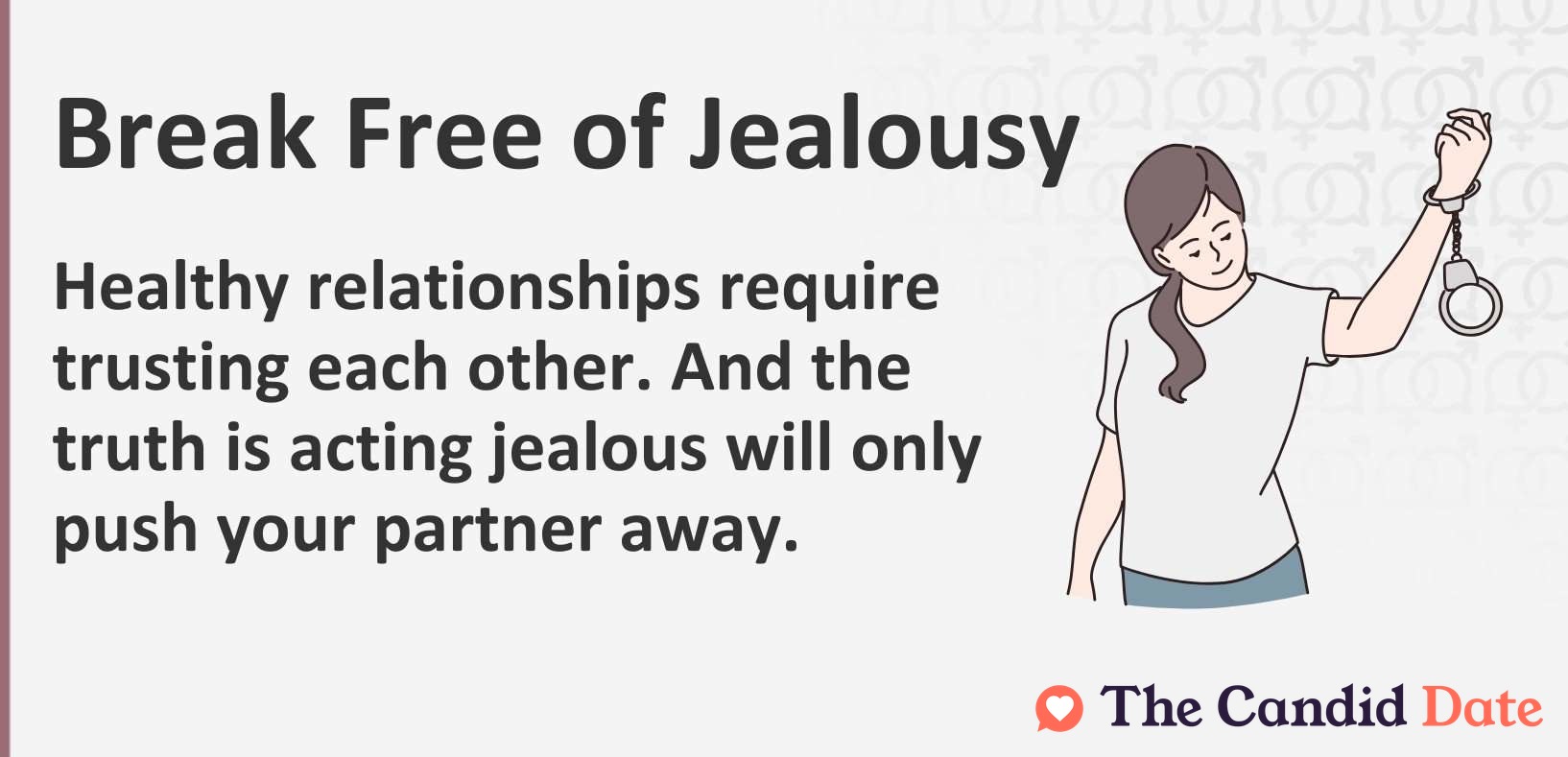
Over time, jealousy and uncertainty can erode anarchic connections and bring instability.
I also suspect men and women don’t find so-called anarchy equally satisfying.
Women are increasingly likely to be the breadwinner, yet they still carry the hands-on hours and work of raising kids and running the home, a load that falls heavily, and unevenly, on them.
A relationship with a man that has no commitment or obligation may leave women who hope to have children without what they need.
And since we’re on gender differences, the brains of heterosexual men and heterosexual women differ in well-documented ways. Men tend to favor less monogamy and more sexual partners.
Most heterosexual women, meanwhile, want a man who invests in the home and provides for the family.
Relationship Anarchy: A New Name for an Old Itch
I wouldn’t write off monogamy quite yet.
The fundamentals of how humans mate and reproduce still shape modern life in a big way. Marriage contracts make sure parenting duties are shared. And society is still very much built around couples.
Religion also reinforces monogamy by preaching sexual taboos and promoting traditional marriage.
Relationship anarchy might suit young people who are enjoying single life right now (or their solo poly life). Sustaining it could be tough, though, once starting a family enters the picture.
It’s like plenty of other somewhat hedonistic things humans try. Everything’s fun and games right up until somebody falls in love, or a baby comes along!
About the Author
By: Kenji Takahashi
Women's Dating Expert
Kenji Takahashi is a Women's Dating Expert at thecandiddate.com, writing women's dating guides.
Share the Knowledge!
Our dating experts work hard to show you the best dating sites. Want to show your appreciation? Share this page!