

FWB Sites: How to Choose Without Paying for Empty Promises

Key Takeaways
Start with a shortlist, then inspect the features and results available in your own area.
A recurring casual arrangement needs a conversation about expectations, not just an FWB label.
Compare the whole communication path and total payment before buying.
FWB sites are worth comparing by the connections you want, the people you can realistically meet, and the actions you can use before paying. Start with a small shortlist, then check those details in your own account rather than choosing from a global member count.
This guide is for adults considering a recurring friends-with-benefits arrangement. It compares three possible starting points and gives you a way to decide whether any deserves your time or money. We have checked published feature descriptions, not conducted a member-population study or a firsthand dating trial.
Three Starting Points, With Different Trade-Offs
AdultFriendFinder is the adult-focused option in this shortlist. Its own description includes casual connections and virtual interaction, so joining does not establish that another member wants a recurring in-person arrangement. Its billing guide describes basic free access and paid communication features; check which conversation actions your account actually permits before upgrading.
Feeld is worth considering when explicit preferences matter to your search. Its Discover filters cover age, distance, genders and relationship types, while filtering by Desires and Recently Online requires Majestic membership. A filter can organize discovery, but it does not tell you whether a specific person wants the same arrangement as you.
Tinder is another possible starting point if you already use it or want to check a familiar app. Discovery settings let you adjust preferences including distance and age. The service can suggest people beyond selected ranges when recommendations run low, with controls for those outliers.
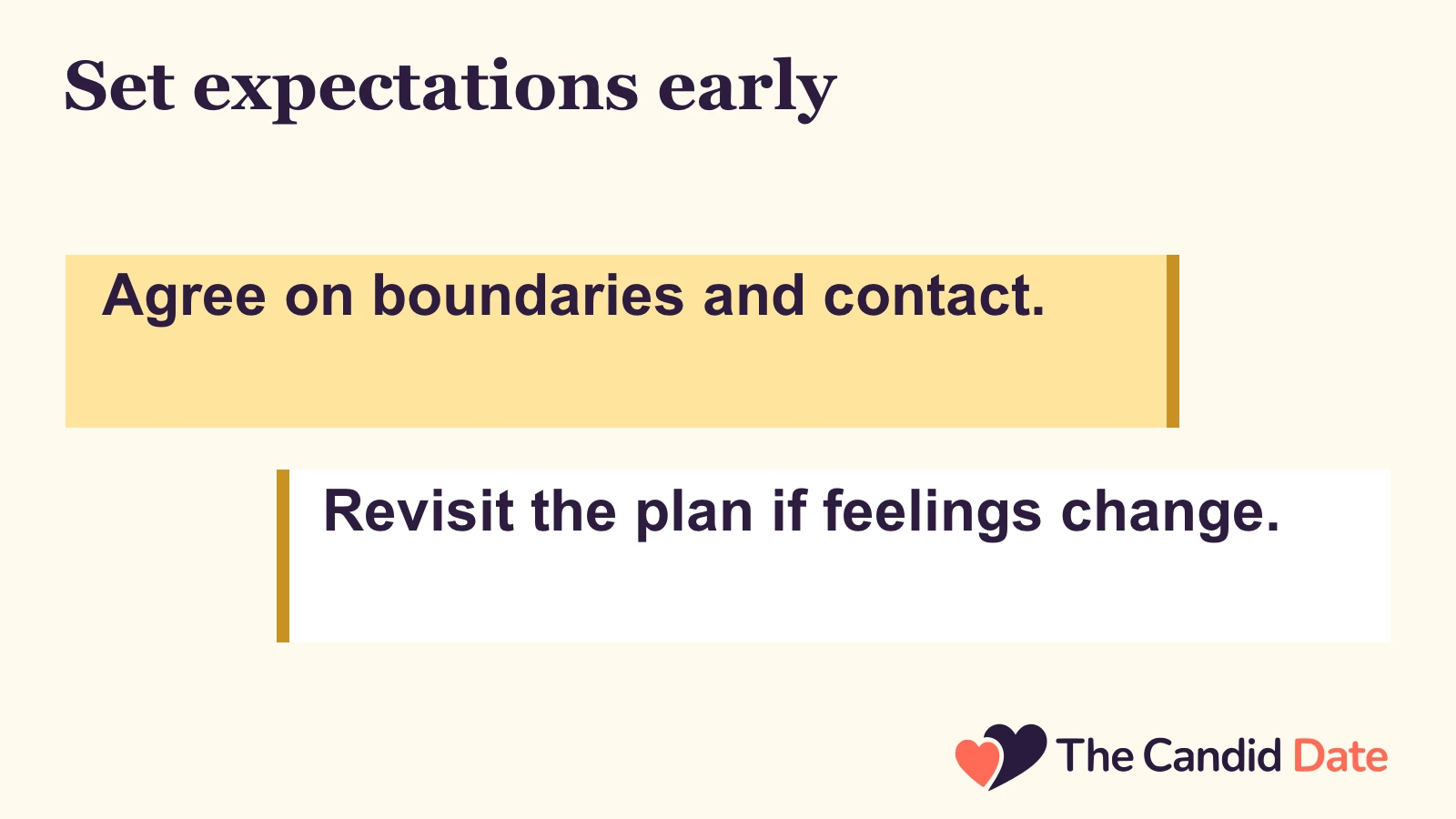
Ask about intentions rather than treating a match as agreement to casual dating.
There is no evidence here that one has more suitable people in your neighborhood. Choose the first account to inspect by what you need to learn: an adult-oriented setting, more detailed preference filtering, or a familiar discovery process. If its available information cannot answer your questions, keep that uncertainty in the comparison.
Decide What You Mean by Friends With Benefits
One person may mean an ongoing friendship with occasional intimacy; another may use FWB to mean repeat hookups without much contact between them. Neither label supplies an agreement about exclusivity, social time, overnight stays or communication. Decide which of those details would actually affect your choice before browsing.
Try this original example as a private note, not a script everyone must copy: “I am open to a recurring casual connection with one person, but I am not looking to become a couple. I would like us to discuss expectations and make plans rather than assume we are always available.” Your version may be shorter, but it should describe something you want.
Then identify what you cannot offer. If you cannot make regular plans, a recurring arrangement may not suit you right now. If you want romantic commitment, describing yourself as casual to get someone interested creates a mismatch you will eventually have to address.
A platform cannot negotiate that difference for you.
Our separate FWB explainer discusses the relationship itself. Use it if you are still deciding whether the arrangement appeals to you; return here when your next decision is where to look.
What Friends With Benefits Can Mean
Check Your Actual Search Area
A useful search area is one you could travel within repeatedly, not simply the largest radius a service permits. Think about the journey on an ordinary weekday, including public transit, parking or the time you would spend getting home. An apparently close location may still be inconvenient for the arrangement you want.
When browsing is available, inspect the area and preferences displayed in your account. Notice whether results include travel locations, virtual locations or people outside your chosen range. Feeld distinguishes local, popular and virtual locations; those are different contexts, not interchangeable evidence of nearby members.
Record the information the service exposes without trying to identify members outside it. A completed bio can give you something to ask about, but it cannot prove identity. A recent-activity label describes the platform's activity window, not someone’s interest in meeting you.
If activity information is absent, write “not shown,” rather than “inactive.”
Keep your own location description broad. You can say that you usually meet in a particular part of a city without publishing your building, employer or daily route. If a match asks for an exact address before you are comfortable, you can decline and suggest a public meeting area instead.
Find the Paywall Before You Find Your Card
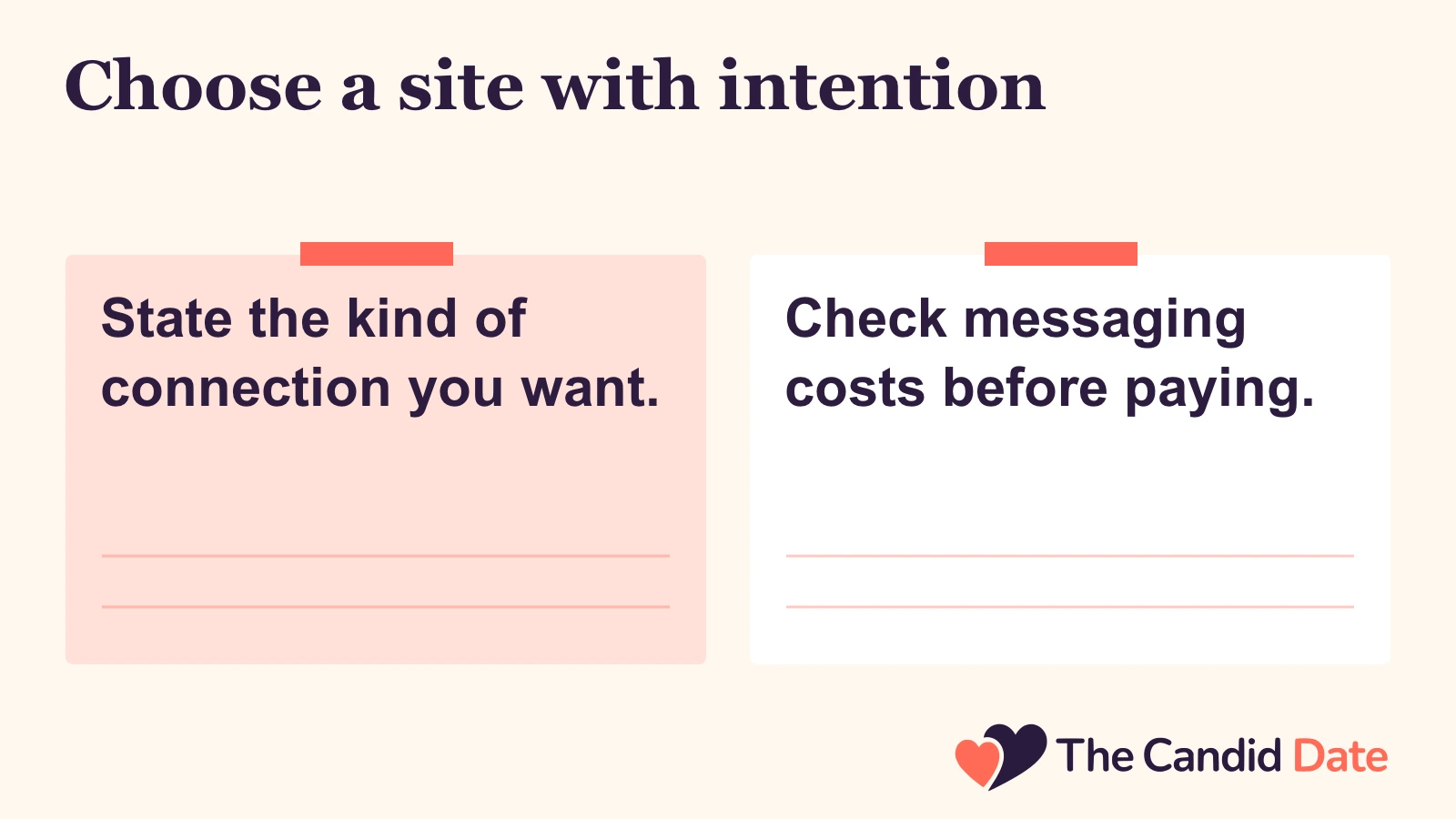
Compare the full conversation path, not just whether registration is free. Can you view the information you need, send a message, read a reply and continue the exchange? A service may charge at one stage but not another.
Make a note at each step instead of assuming a sign-up promise describes everything that follows.
- Profile viewing: What can you inspect before buying, and what remains hidden?
- Starting contact: Can you send an ordinary message, or only a limited signal of interest?
- Replies: Can you read and answer the response under the same plan?
- Extra purchases: Does the action you need require a separate add-on or credit purchase?
If a checkout uses a price per month, check the amount charged today and the length of the commitment. A low monthly equivalent on a long subscription may exceed the budget you meant to set. Compare the total you would authorize, not just the largest number on a promotional badge.
AdultFriendFinder says paid subscriptions start with auto-renewal enabled. Its guide distinguishes disabling renewal from ending an active subscription early. That is a reason to understand the controls before buying, not a promise about a refund or a particular price.
Do not upgrade solely because you see incoming activity. First establish what that activity represents and what payment would unlock. If the only way to investigate the quality of the service is a purchase you cannot afford to lose, choosing another option is a reasonable result of the comparison.
Sponsored placement


Looking for adults who share your casual intent?
AdultFriendFinder is an optional adult-focused service for casual connections. Check the available profiles and paid communication limits before deciding whether to subscribe; local availability has not been verified.
- Adult-focused casual connections
- Basic free access; paid communication tools
- Check the current subscription conditions
| User Base | Today’s Deal |
|---|---|
| Adults with explicit casual or sexual dating intent | Free basic access; communication upgrades cost extraCheck the current total charge, auto-renewal and any add-ons before subscribing. A membership does not guarantee a meeting. |
Use a Comparison Note You Can Finish
Write one short note for each platform you actually inspect. You do not need a numerical score, a spreadsheet of strangers or hours of swiping. You need enough detail to distinguish a useful service from an attractive checkout screen.
- My purpose: A recurring casual arrangement, with the expectations I can explain honestly.
- My area: Places I could travel to regularly, and whether the displayed results fit that area.
- My conversation path: The actions available now, and the exact action blocked by payment.
- My spending decision: Total charge, renewal terms and the feature I would be buying.
- My unanswered question: The information I still need before continuing.
Here is an illustrative comparison, not a report from our testing. On Service A, you can read relevant profiles but cannot tell what a subscription changes about replies. On Service B, the communication rules are clear, but the available locations are impractical.
Neither is a convincing purchase yet; the missing detail differs, so your next step should differ too.
For A, look for the current plan description or ask customer support a specific question. For B, decide whether you genuinely want to expand your travel area. Do not pay for both simply to make the notes look complete. “Not enough information to choose” is a useful conclusion when it prevents an uninformed purchase.
Read Reviews for Mechanics, Not a Verdict
A review is more useful when it identifies an action and what happened afterward. “I could not find the renewal setting” gives you a control to inspect. “Nobody good is on this app” does not establish the number of compatible people in your city. Treat the first as a question to investigate and the second as one person's experience.
Check whether the reviewer is discussing the current app, an older website or a different product with a similar name. Also separate complaints about the service from disappointment with another member. An unanswered message can be frustrating without establishing that the account was fake or that the platform broke a promise.
When reviews conflict, avoid averaging them into an invented success rate. Look for the precise issue that matters to your purchase and compare it with current help or billing information. If you still cannot resolve it, you can decide the uncertainty is too large for your budget.
Our overview of hookup sites explains the broader category. It can help you distinguish adult-focused services from general dating platforms without assuming every member on either wants the same thing.
Have One Useful Conversation Before Making Assumptions
Once you can communicate, ask a question that relates to the arrangement rather than leading with a sexual demand. For example: “Your bio says you prefer casual dating. Are you looking for something recurring, or are you mostly interested in occasional dates?” This is an original suggested opener, not a message whose reply rate we have measured.
A clear answer still leaves practical details to discuss. You might ask whether you both want to meet socially first, how far you each travel, and what staying in touch between plans would look like. Keep the conversation proportionate; it should establish mutual interest, not interrogate someone about their private life.
If the person wants something different, acknowledge it without bargaining. “Thanks for being clear. I am looking for a different kind of connection, so I do not think this is a match.” A reply like that can save you from treating every conversation as something you must convert into a meeting.
For the eventual first meeting, choose a public setting and make your own travel arrangements. RAINN's guidance also recommends telling a trusted person about the plan. These precautions reduce some risks; they do not guarantee safety or turn a platform into a verified community.
Know When to Stop the Comparison
Stop engaging with a match who requests money, pressures you for private information or disregards a clear refusal. The FTC warns against sending money or gifts to someone you have not met in person. A convincing profile, frequent messages or a plan to visit does not make a financial request safe.
With a platform, a stopping point may be less dramatic: you cannot find the terms, the information you need stays hidden, or the required payment exceeds your budget. You can leave without establishing that the service is fraudulent. Your decision is whether it works for you with the evidence available.
If you do pay, evaluate the specific feature you purchased at your own review date. Did it remove the limitation you identified, or did it simply reveal another paid step? An actual improvement in access is different from a guarantee of dates, and you should keep those expectations separate.
Read our fake-profile guide if you want more detail about impersonation and misleading accounts. Use the current platform's report and block controls for an account that concerns you, rather than trying to expose a stranger yourself.
Understanding Fake Dating Profiles
Frequently Asked Questions
Can an existing friend use a dating site to find an FWB?
They can, but a site account is unnecessary if the real question is whether an existing friend wants that arrangement with you. Ask without implying that the friendship depends on the answer. If you both want to explore it, discuss how you would handle a change of mind and whether the friendship could continue without intimacy.
Should I list FWB in a profile headline?
Use the space to describe your intention clearly, following the service's content rules. The abbreviation alone may leave a reader guessing about frequency, exclusivity or social time. A brief explanation such as “open to a recurring casual connection” can start the conversation, with more personal details left for a mutual exchange.
What if the app does not show any recent-activity information?
You cannot infer it from photo quality or how long a profile has existed. Evaluate what you can see, and recognize that the service leaves this part unknown. You may still choose to try the available communication features, but do not treat a subscription as proof that the hidden information will be favorable.
What to Do Next
Choose one FWB platform to inspect using a purpose, a realistic area and a spending limit. Continue only when its available features make sense for you and a conversation shows compatible intentions. You can change platforms, pause the search or decide against the arrangement without treating any of those choices as a failure.
About the Author
By: Tariq Washington
Cyber-Dating Expert & Coach
Tariq Washington is an online dating expert providing review guidance and digital dating advice for thecandiddate.com.
Share the Knowledge!
Our dating experts work hard to show you the best dating sites. Want to show your appreciation? Share this page!