A Guide to Privacy Settings on Dating Sites and Apps
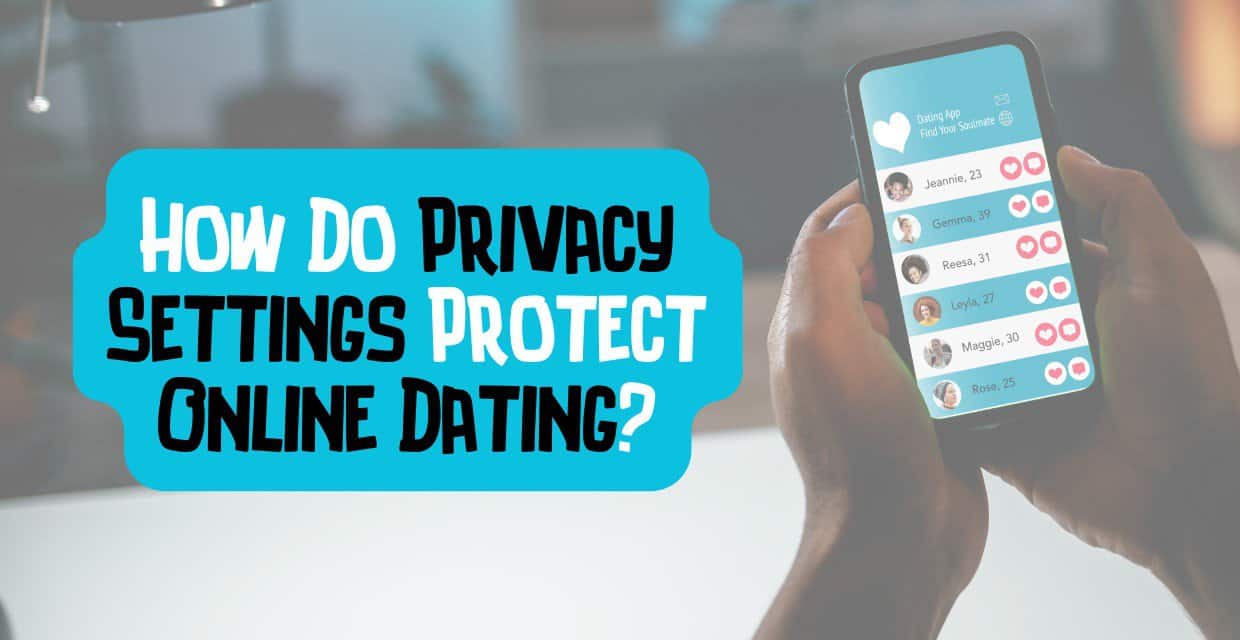



Pew Research Center data shows that nearly 3 in 10 U.S. adults say they’ve tried a dating site or an app. Since the 1990s, Match.com has been bringing couples together, while Tinder on its own has racked up more than 97 billion matches.
All kinds of daters can do well with online dating, from a woman who likes to make the first move on Bumble to a casual dater who likes the simplicity of swiping through Tinder.
Still, online dating carries privacy risks. According to the Federal Trade Commission, romance scams have reached record highs in recent years because it’s so easy for scammers to build fake online profiles or pose as real people.
Signing up for a dating app means handing over personal information. Tinder, for instance, asks for your first name, date of birth, location, sexual orientation, two photos, and either a phone number or a Google/Apple account.
Sharing that much about yourself with an online app can be intimidating. Fortunately, there are reliable ways to protect yourself while you date online.
Privacy Settings, App by App
How private online dating is depends on how you protect your information. Most apps, Bumble, Tinder, and Hinge among them, let you turn your profile visibility off. Some also let you decide who can message you or see your photos.
Profile Visibility Settings
On Tinder, you do this by turning off the visibility setting under “Show on Tinder.” With it switched off, you get the perfect chance to step away from swiping for a while. It also gives users a fast way to shield their identity when a situation feels risky.
Likewise, Bumble and Hinge offer features that let users snooze or pause their profiles, hiding them from other users for a while. Bumble’s premium lineup also includes a fittingly named “incognito” feature that shows a user only to people they’ve swiped on.
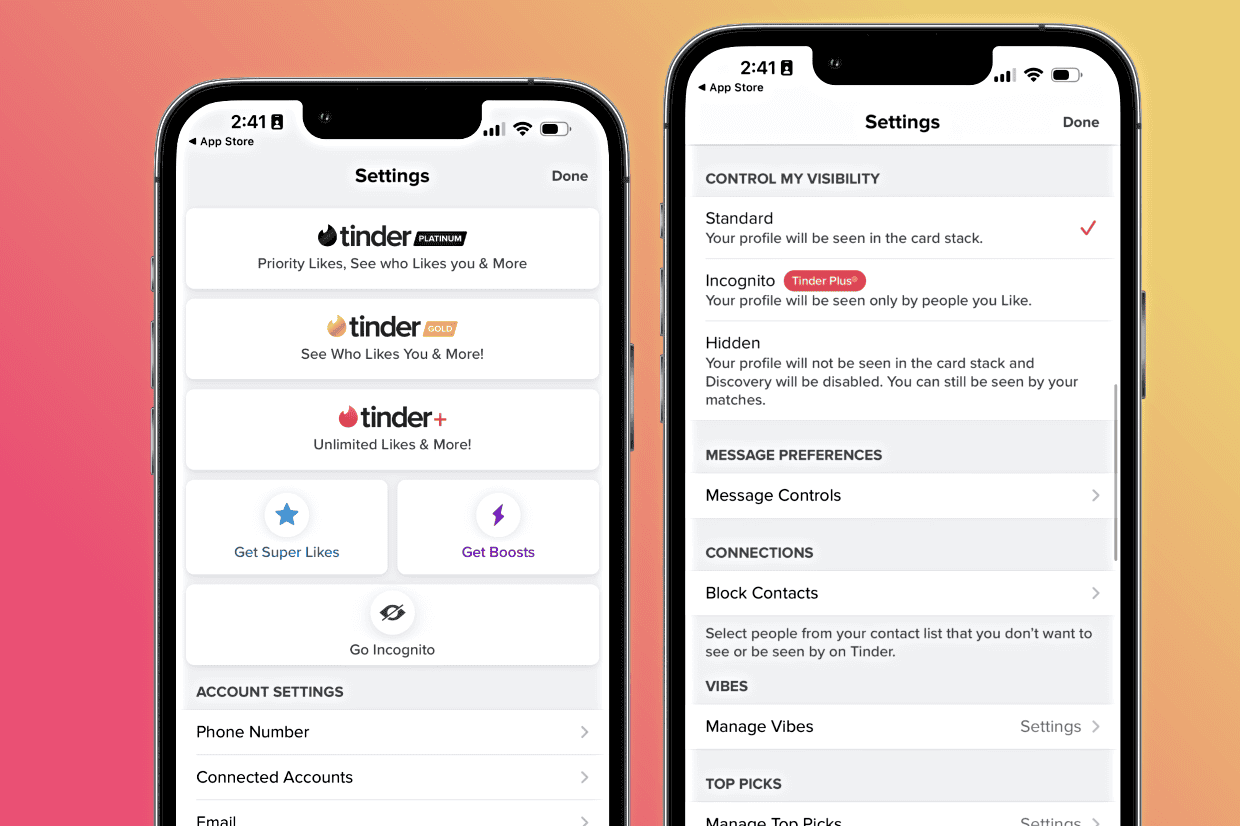
Incognito settings on popular apps like Tinder mean your profile stays out of other people’s card stacks. (Photo source: TechReader)
Another smart way to protect your privacy is to control who sees you on an app. Worried about running into a coworker or relative on a dating app? Tinder lets users block contacts so their profiles won’t be shown to people they know.
Users just type a contact’s phone number or email address into the “Block contacts” menu.
Location Settings
Location privacy matters a lot for online dating safety, too. Grindr is notorious for leaning on geographical distance, arranging users on a grid based on how far they are from you.
Users can tell when someone is five miles away …or five feet away! Fortunately, if that much geographical precision isn’t for you, you can adjust your visibility in the “Consent Preferences” menu, and Grindr will put you on the grid without revealing your precise distance.
“We all have friends who have had wonderful success stories and met their lifetime partner through these apps. But that also comes with the understanding that there are also bad actors who are going to use these apps in various ways to perpetrate crimes.” — Erinn Robinson, Director of Media Relations at RAINN
Tinder likewise displays your distance from other users in miles, though not your exact physical location. For more location privacy, you can easily push your location preferences further out so your profile only appears to people beyond a certain distance.
Users who’d rather keep their location hidden might find Hinge a good option: because the app doesn’t rely on your device’s GPS or IP address, setting and changing your location is simple.
Communication Preferences
Apart from letting users control who sees them and when, which adds security and privacy, most apps also give you choices about how you communicate. Safety-conscious daters may want to keep the conversation off WhatsApp, iMessage, or Instagram so their phone number and social media profile stay private.
Thankfully, most dating apps let you send voice memos and emojis in their chat section, the same way you would in your favorite messaging app.
Social Media Connections
If handing out your Instagram isn’t your style, some apps make it comfortable to keep your social media details private. Hinge and Tinder let users “preview” their social accounts on their dating profiles, and Tinder also lets users choose a song to feature as their “anthem” via Spotify.
On Hinge and Tinder, these features are optional, but apps such as Facebook Dating make people sign in with their social media accounts.
Facebook Dating links up with your social media accounts.
Facebook Dating treats user privacy seriously. Your dating activity stays off your regular Facebook feed, and chats on Facebook Messenger are kept apart from Facebook Dating messages.
If linking your social media account to your dating profile feels intimidating, skip apps that demand it! Many other dating apps let users decide if and when to show their social media accounts, once they feel ready.
The Privacy Risks of Online Dating
It goes without saying that dating apps can gather plenty of information about you, and how much varies from app to app and with the settings you pick. Given the risk of running into cybercrime or romance scams, that can make online dating especially nerve-racking.
Catfishing Scams
Catfishing, when someone online pretends to be a person they aren’t, is a classic example of a romance scam.
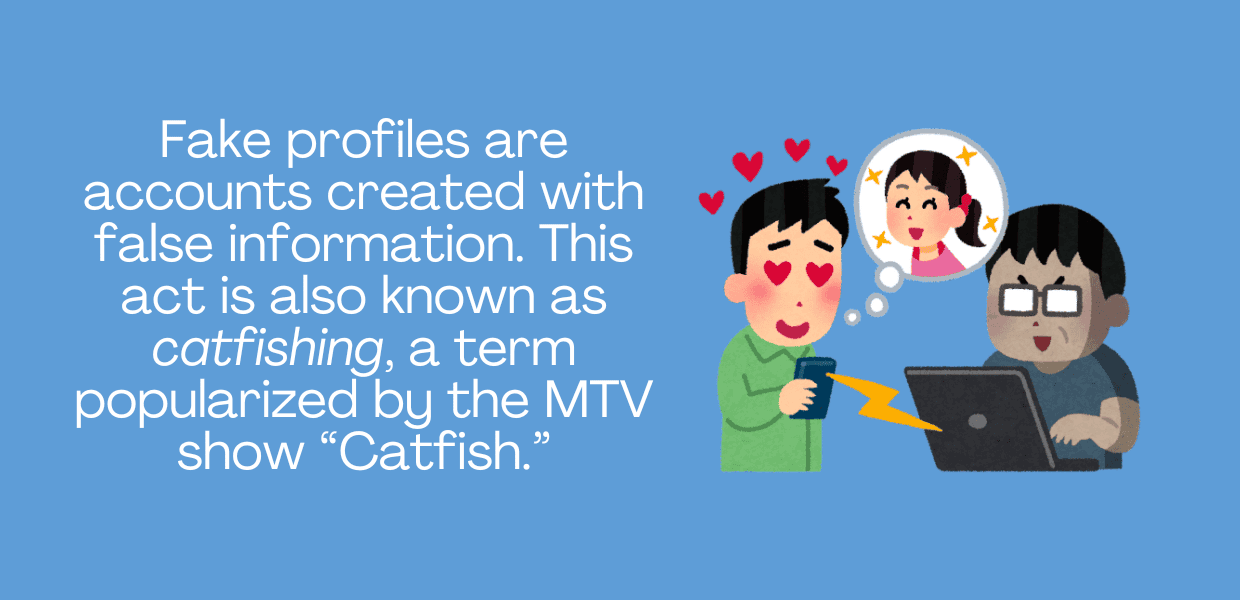
Sadly, catfishing is far too common: Every year, nearly 20,000 people report that they’ve been catfished!
Catfishers may be cybercriminals trying to win your trust so they can pressure victims into handing over personal information. Apart from sharing as little personal information as you can on the app, your best defense is being able to spot a romance scam such as catfishing.
Watch for these red flags:
- Refusing to hop on a video call or show their face anywhere besides their profile pictures
- A newly made account with only a few photos or not many friends or followers
- A name that leaves no digital footprint at all
If you come across a catfish on an app, block and report them so the app can remove their profile and protect other users from romance scams.
Information Hacks
Some of the unease around dating apps may stem from widely publicized data breaches tied to them, a famous one being the Ashley Madison data breach.
Ashley Madison launched in 2001 as a site where married people could cheat on their spouses. A group calling itself The Impact Team hacked the company in 2015 and ultimately leaked the names of its account holders, all tens of millions of them.
The hackers didn’t stop after that first leak, going on to expose nude photos, credit card details, and other private information.
Around 37 million users had their photos and financial information exposed in the Ashley Madison breach.
The Ashley Madison incident revealed a built-in weakness in these platforms, since handing personal information to an app can feel frightening. Even now, nearly 10 years after that infamous leak, apps remain spectacularly bad at protecting what users share.
The Mozilla Foundation, a nonprofit working worldwide for cyber safety, reports that 25% of dating apps gather metadata from your content, and several others say they use third-party services to scan your content for clues about your interests.
Harassment & Cyberstalking
Meeting strangers online comes with the risk of online harassment, and occasionally the danger spills over into real life.
Stalking and assault can happen with any form of dating. Harassment disproportionately targets members of the LGBTQIA+ community. You won’t have to look far for horror stories of people confronted in person by aggressive Tinder matches.
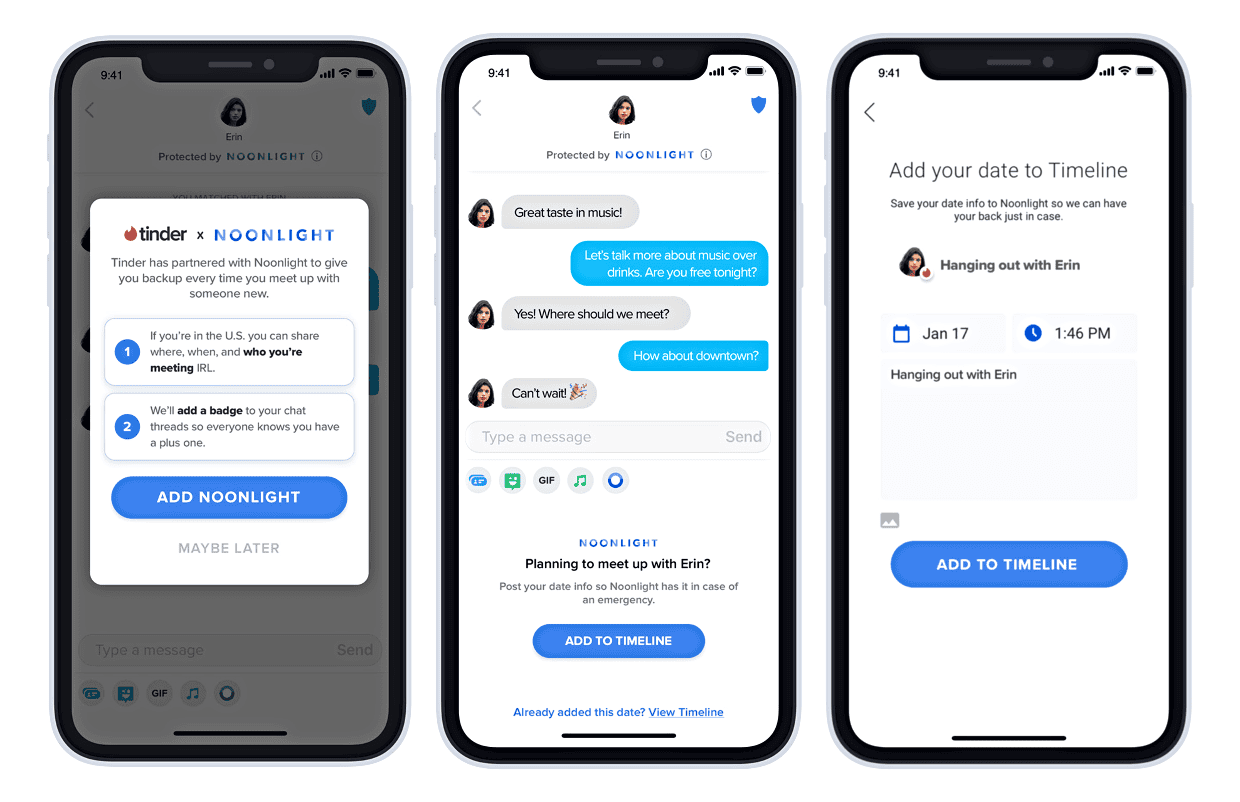
Tinder teamed up with Noonlight to provide quicker, more accurate emergency dispatch so users feel safer meeting new people.
Some apps have rolled out safety features to reduce the risk of stalking and assault. Tinder, for one, introduced a safety feature that links to Noonlight, a personal security app, so U.S.-based users can alert emergency services while on a Tinder date.
Even so, emergency services can’t always be counted on to arrive quickly, so it’s essential to let trusted friends or family know you’re going on a date with someone from online, or to share your location with someone you trust. Meeting somewhere public is another great way to put your safety first while you get to know someone.
5 Ways to Keep Your Online Dating Private
Searching for love online can seem like it means putting your safety at risk, but protecting yourself is easy:
1. Use Nicknames or Pseudonyms
Keep your full name (first and last) off your dating profile.
Go by a nickname or pseudonym instead, so you stay undetectable online while you’re getting to know strangers.
“Opting for a fake name or a pseudonym can add a layer of anonymity and security. It shields your real identity from those with ill intentions, reducing the risk of stalking or identity theft,” wrote Ahiri Chakraborty on Relationship Explained.
Just be sure to share your real name with your date once you feel comfortable with them!
2. Don’t Share Compromising Info or Photos
Check your photos carefully before they go on your profile, along with everything else you’ve put there.
ForestVPN’s advice for dating app safety is worth following: “Exercise caution in selecting photos; avoid those disclosing your regular hangouts, friends, residence, or workplace. Opt for images featuring only you, steering clear of potential data leakage.”
For example, skip photos taken in recognizable spots, like beside your building number or at your workplace.
3. Verify the Identity of Your Match
A lot of apps now run user verification checks, so you can use them knowing your matches are real people.
Bumble, Tinder, Hinge, OkCupid, and Her are a few of them.
As a rule, you’re always better off choosing apps that handle verification for you.
If your favorite app doesn’t offer that, do your own homework by asking your match for their social media profile.
4. Pay Attention to Terms & Conditions
Before you create a dating app profile, read through the privacy settings and metadata details.
According to Terms.Law, “privacy policies serve as the primary tool for informing users about how their data will be managed on a dating website.”
Plenty of apps make use of our information, and on a dating app it’s particularly important to guard your personal details.
5. Trust Your Instincts
If someone gives you a sketchy feeling, don’t chat with them, and definitely don’t go on a date.
“At times, a gut reaction is the first thing you will think and feel in a situation. You should pay attention to this because it might be your mind’s way of protecting you from getting hurt by generating a bad gut feeling,” wrote Sylvia Smith on Marriage.com.
A date that might be fun isn’t worth putting your life or your cybersecurity on the line!
Private Conversations in a Public Space
Worrying about digital security doesn’t have to spoil the fun of dating apps. You can absolutely use them in a safe, respectful way. Staying secure online just asks for a little extra time and care beyond swiping on Tinder.
If you pay attention to privacy settings and follow safe dating etiquette, you can feel confident taking part in online dating. With these tips in hand, you’re ready to step into its exciting world.
Dating apps introduce users to people they’d never have crossed paths with otherwise, opening the door to brand-new connections, conversations, and possible relationships. Put safety first, and love will follow naturally!
About the Author
By: Evelyn Garcia
Men's Dating Expert
Evelyn Garcia is a dating and relationship expert helping men build confidence and lasting connections on thecandiddate.com.
Share the Knowledge!
Our dating experts work hard to show you the best dating sites. Want to show your appreciation? Share this page!